Optimaliseer Open Ruimtes: Verlichtingsstrategieën voor Comfort en Stijl
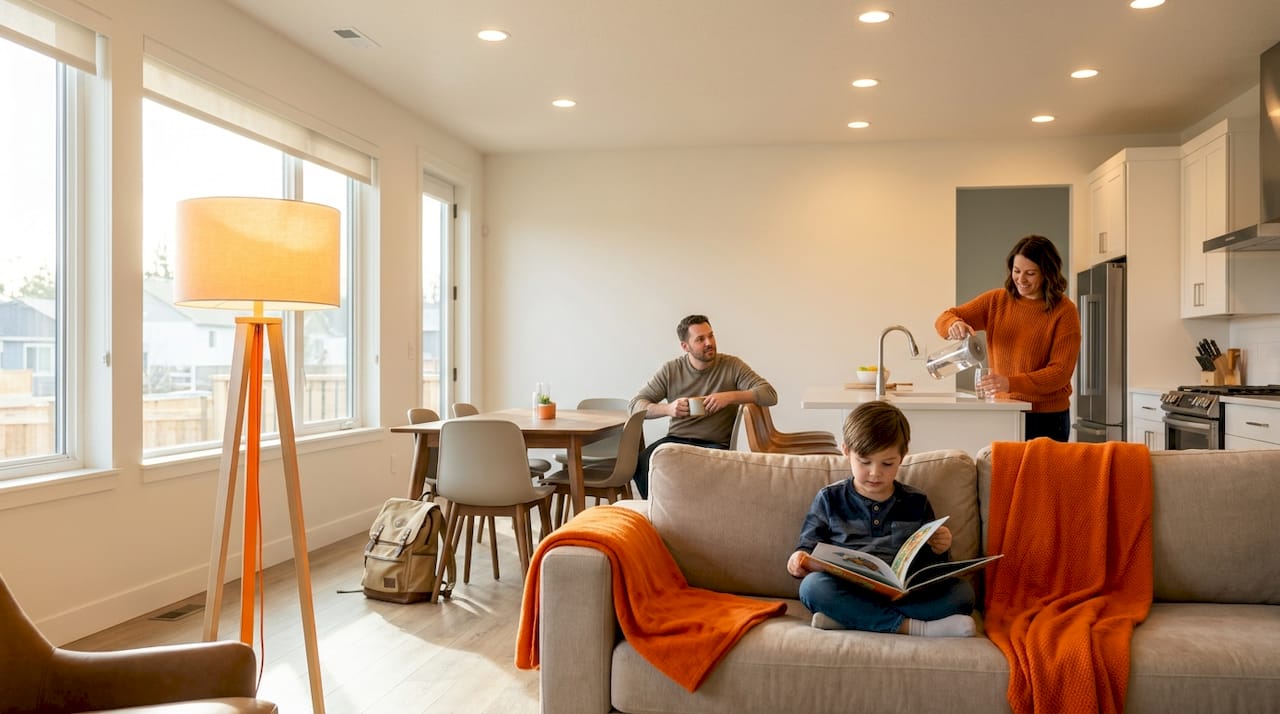
Ooit een prachtig ontworpen open woonconcept binnengelopen, om vervolgens te merken dat het... ergens wringt? Misschien is het te fel, te donker, of gewoon uniform saai? Je bent niet de enige! Veel huiseigenaren met een open indeling ontdekken, vaak te laat, dat simpelweg meer licht toevoegen niet altijd beter licht betekent. Sterker nog, een raster van inbouwspots kan een prachtige, luchtige kamer veranderen in iets dat lijkt op een TL-verlichte kantoorlobby. Oeps!
Open wonen is een droom voor moderne esthetiek en een naadloze doorstroming, maar het vraagt om een fundamenteel andere benadering van verlichting. In plaats van alleen te verlichten, hebben we licht nodig om deze uitgestrekte ruimtes te definiëren, te verzachten en te animeren, zodat ze op elk moment van de dag echt als thuis voelen. Het gaat hier niet alleen om het kiezen van mooie armaturen; het gaat erom te begrijpen hoe licht je ervaring vormgeeft. In deze uitgebreide gids duiken we diep in de gelaagde strategieën, slimme bedieningselementen en materiaalkeuzes die je open ruimte zullen transformeren van louter functioneel naar werkelijk magisch.
Inhoudsopgave
- Waarom Verlichting Essentieel Is in Open Ruimtes
- Gelaagde Verlichting: Het Fundamentele Kader
- Verblinding en Contrast Beheren voor Comfort
- Verlichting Aanpassen aan Activiteiten en Sferen
- Wat De Meeste Huiseigenaren Fout Doen met Verlichting in Open Ruimtes
- Vind de Perfecte Verlichting voor Jouw Open Ruimte
- Veelgestelde Vragen
Belangrijkste Conclusies
| Punt | Details |
|---|---|
| Gelaagde verlichting is essentieel | Het gebruik van meerdere lichtlagen voegt comfort en dimensie toe aan open ruimtes, waardoor verschillende zones en sferen ontstaan. |
| Beheers verblinding en contrast | Pak ongemak aan door harde verblinding te minimaliseren en de helderheid in de kamer in balans te brengen voor optimaal visueel comfort. |
| Pas verlichting aan activiteiten aan | Flexibele bedieningselementen, dimmers en veranderingen in kleurtemperatuur maken open ruimtes aanpasbaar voor diverse taken en sferen gedurende de dag. |
| Prioriteer comfort boven helderheid | Comfort, veelzijdigheid en precieze controle zijn belangrijker dan simpelweg het verhogen van de lichtniveaus; strategische verlichting verhoogt het welzijn. |
Waarom Verlichting Essentieel Is in Open Ruimtes
Open ruimtes zijn architectonisch spannend! Muren verdwijnen, zichtlijnen openen zich en natuurlijk licht stroomt ongehinderd naar binnen, wat een uitgestrekt, luchtig gevoel creëert. Maar juist deze vrijheid zorgt voor een serieuze verlichtingsuitdaging. Zonder fysieke grenzen om licht te bevatten en te richten, kan de hele omgeving vlak, desoriënterend of zelfs klinisch aanvoelen als je armaturen niet met echte intentie zijn gekozen en geplaatst.
Zie het zo: In een traditionele kamer creëren de muren, het plafond en deuropeningen van nature een knusse begrenzing. Licht weerkaatst, verzamelt zich en bouwt zijn eigen ritme op zonder veel hulp. In een open indeling verspreidt licht zich echter simpelweg in de uitgestrektheid. Je eindigt vaak met een uniforme gloed die steriel aanvoelt in plaats van uitnodigend. Zoals experts op het gebied van interieurverlichtingsontwerp vaak benadrukken: "Open indelingen vereisen een strategische verlichtingsaanpak om uniformiteit te vermijden die klinisch aanvoelt in plaats van uitnodigend."
In een open-concept indeling moet je verlichtingssysteem meerdere cruciale taken tegelijk uitvoeren:
- Zones Definiëren Zonder Muren: Omdat er geen fysieke muren zijn, wordt licht je onzichtbare architect. Een cluster van hanglampen boven een kookeiland bakent de kookzone duidelijk af. Een warme vloerlamp naast een pluche fauteuil signaleert rustig: "dit is jouw leeshoekje." Zonder deze ruimtelijke definitie kan het hele gebied aanvoelen als één grote, ongedifferentieerde doos.
- Meerdere Activiteiten Gelijktijdig Ondersteunen: Dit is het kenmerk van open wonen! De één kookt misschien avondeten, de ander werkt op een laptop, en een derde kijkt tv – allemaal binnen hetzelfde gezichtsveld. Elke activiteit heeft zijn eigen specifieke kwaliteit en intensiteit van licht nodig. Het heldere, gerichte licht voor het snijden van groenten zou te fel zijn voor een gezellige filmavond, en vice versa.
- Sfeer en Energie Gedurende de Dag Verschuiven: Je open ruimte moet zich aanpassen. Ochtenden vragen om energieke helderheid om de dag te beginnen. Middagen hebben misschien gerichte taakverlichting nodig voor werk of huiswerk. Avonden vragen om warmte en zachtheid voor ontspanning en gezelligheid. Open indelingen zonder flexibele verlichting blijven de hele dag in één emotioneel register hangen, wat vermoeiend of onuitnodigend kan aanvoelen.
Onderzoek naar verlichting en stemming bevestigt consequent dat de kwaliteit, richting en kleur van licht diepgaand bepalen hoe we ons voelen in een ruimte, vaak nog voordat we het bewust registreren. Het beïnvloedt ons circadiane ritme, productiviteit en algehele welzijn. Voor ideeën over hoe je dit in de praktijk kunt brengen, biedt onze gids over creatieve woonkamerverlichtingsstrategieën een nuttig startpunt.
“Verlichting is het krachtigste middel om de emotionele sfeer van een ruimte te beheersen. Architectuur zet het podium; verlichting speelt de scène.”
Gelaagde Verlichting: Het Fundamentele Kader
Zodra je begrijpt waarom verlichting zo'n diepgaande rol speelt in open ruimtes, wordt de methodologie duidelijk. Het antwoord, mijn vrienden, is gelaagdheid! Gelaagde verlichting, de praktijk van het combineren van omgevings-, taak- en accentbronnen, is de gouden standaard juist omdat het de manier nabootst waarop natuurlijk licht werkt: met diepte, variatie en doelgerichtheid. Het is als schilderen met licht, waarbij highlights, schaduwen en subtiele wassingen worden toegevoegd om een dynamisch, uitnodigend beeld te creëren.
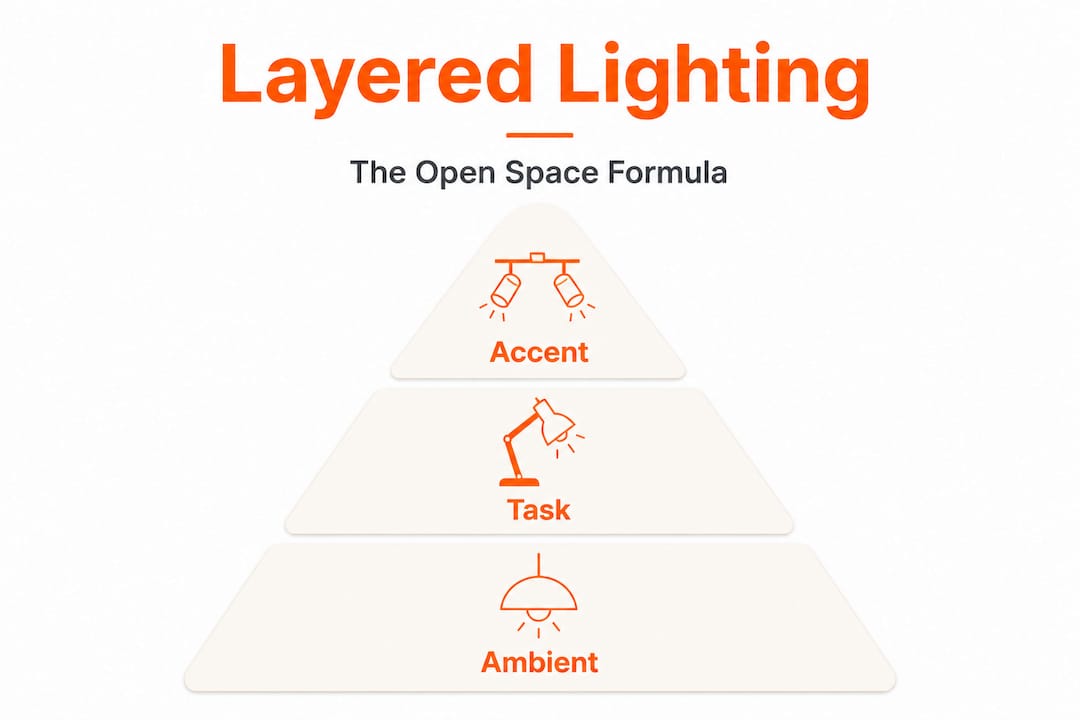
Laten we de drie essentiële lagen en hoe ze samenwerken eens bekijken:
| Laag | Doel | Beste Armaturen voor Open Indelingen | Voorbeelden in een Open Ruimte |
|---|---|---|---|
| Omgevingslicht (Algemeen) | Biedt algemene verlichting, voorkomt donkere hoeken, zorgt voor veilige navigatie. Het is het "vullicht." | Inbouwspots (met diffusers!), grote diffuse hanglampen, plafondlampen, koofverlichting, railverlichting met brede spreidingshoeken. | Plafondarmaturen die een zachte, gelijkmatige gloed over het gehele open gebied verspreiden. |
| Taaklicht (Functioneel) | Gericht, helderder licht voor specifieke activiteiten, beschermt je ogen tegen vermoeidheid. | Onderbouwstrips, bureaulampen, vloerlampen om te lezen, gerichte hanglampen boven een kookeiland of eettafel. | Helder, gericht licht direct boven een aanrecht voor maaltijdbereiding, of een speciale bureaulamp in een thuiskantoorhoekje. |
| Accentlicht (Decoratief/Dramatisch) | Creëert visuele interesse, benadrukt architectonische kenmerken, kunstwerken of texturen, voegt diepte en persoonlijkheid toe. | Wandlampen, railverlichting met smalle spotstralen, LED-strips voor planken, schilderijverlichting, uplights voor planten. | Een kunstwerk uitlichten, een muur met textuur verlichten met een lichtbad, of een boekenplank verlichten om de aandacht te trekken. |
Elke laag werkt onafhankelijk, maar creëert iets werkelijk levendigs en comfortabels wanneer ze samenwerken. Omgevingslicht voorkomt dat je ruimte groots en hol aanvoelt. Taaklicht zorgt ervoor dat je comfortabel kunt koken, lezen of werken. Accentlicht voegt drama toe, trekt de aandacht naar mooie objecten en creëert de visuele hiërarchie die een grote ruimte opzettelijk doet aanvoelen in plaats van leeg.
Een gelaagd schema vanaf nul opbouwen:
- Begin met Omgevingslicht: Breng de vierkante meters van je open ruimte in kaart en identificeer je primaire algemene lichtbronnen. Dit kan een reeks goed geplaatste inbouw-LED's zijn, een grote, diffuse kroonluchter, of zelfs koofverlichting die het plafond verlicht. Het doel hier is een gelijkmatige basisverlichting zonder harde schaduwen.
- Voeg Taakverlichting Toe: Loop (mentaal of fysiek!) door je ruimte en identificeer elke activiteitszone. Waar snij je groenten? Lees je een boek? Werk je op je laptop? Eet je avondeten? Elke zone heeft zijn eigen specifieke, helderdere bron nodig. Denk aan onderkastverlichting in de keuken, een stijlvolle vloerlamp bij je bank, of een hanglamp boven je eettafel.
- Voeg als Laatste Accentverlichting Toe: Kijk nu wat het waard is om te vieren! Een muur met textuur, een dierbaar schilderij, een prachtig meubelstuk of architectonische balken. Accentueer deze bewust. Deze laag geeft je ruimte zijn unieke persoonlijkheid en maakt het echt "jouw" plek.
- Verbind Alles met een Besturingssysteem: Of het nu een traditionele dimmer is, een smart home app, of een spraakassistent, je wilt absoluut dat elke laag onafhankelijk instelbaar is. Dit is niet onderhandelbaar voor het succes van een open indeling!
Pro-tip: Installeer dimmers op elk afzonderlijk circuit vanaf het begin. Serieus, op elk circuit! Deze later inbouwen is zowel kostbaar als storend. Zelfs een eenvoudige draaidimmer verandert een vaste, eentonige ruimte in een kamer die kan fluisteren of schreeuwen, afhankelijk van wat je nodig hebt.
Onze uitgebreide gids voor gelaagde verlichting bij Find a Lamp doorloopt deze methodologie met specifieke productcombinaties en kamerconfiguraties, waardoor het hele proces veel concreter wordt.
Verblinding en Contrast Beheren voor Comfort
Hier is iets dat de meeste huiseigenaren verrast: een fel verlichte ruimte kan nog steeds zeer ongemakkelijk aanvoelen. De boosdoener is bijna altijd verblinding en slecht beheerd contrast. Zodra je gelaagde schema is geïmplementeerd, is dit de volgende cruciale dimensie om te verfijnen voor echt comfort en leefbaarheid.
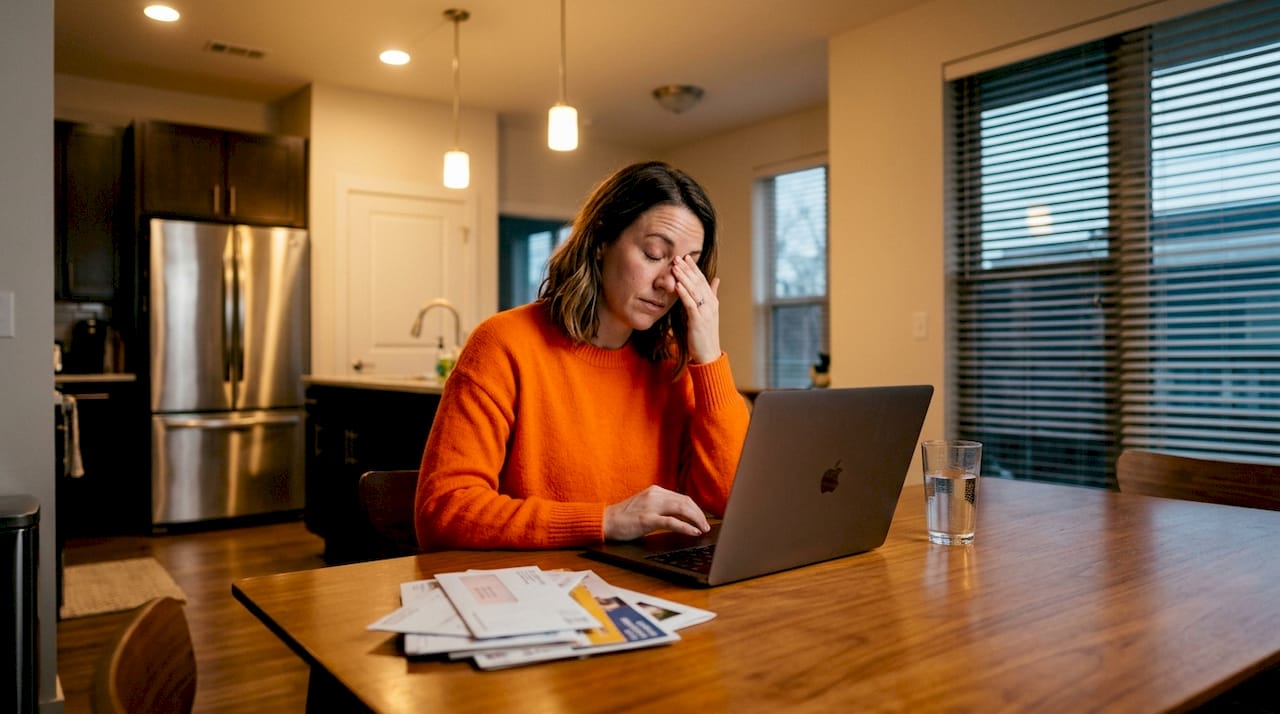
Wat is verblinding precies? In praktische termen treedt verblinding op wanneer een lichtbron (of de reflectie ervan) aanzienlijk helderder is dan het omringende gezichtsveld. Je ogen kalibreren voortdurend opnieuw, en een harde, felle plek tegen een donkerdere achtergrond dwingt ze om overuren te maken. Deze constante aanpassing is vermoeiend, wat leidt tot oogvermoeidheid, hoofdpijn en algemene vermoeidheid, zelfs als je niet kunt pinpointen waarom je moe bent na tijd doorgebracht te hebben in een prachtig ontworpen kamer.
Open-concept ruimtes zijn bijzonder kwetsbaar voor verblinding vanwege hun uitgestrekte schaal en overvloed aan reflecterende oppervlakken: gepolijste betonnen vloeren, glanzende keukenkasten, grote ramen en glazen tafelbladen weerkaatsen allemaal licht onvoorspelbaar. Onderzoek bevestigt consequent de ernst van dit probleem: een studie naar verblinding en ongemak in open ruimtes wees uit dat bijna de helft van de respondenten verblinding als ongemakkelijk ervoer in hun omgeving.
Veelvoorkomende bronnen van ongemak en praktische oplossingen:
| Bron van Ongemak | Praktische Oplossing |
|---|---|
| Blote lampen zichtbaar in hang- of kroonluchter | Schakel over op armaturen met matglas, stoffen kappen of interne diffusers; gebruik zachtere lampen met een lager wattage. |
| Inbouwspots direct gericht op reflecterende vloeren | Pas de richtingshoek aan; gebruik armaturen met anti-verblindingsringen of dieper geplaatste lampen om directe zichtbaarheid te verminderen; overweeg bredere stralingshoeken om licht gelijkmatiger te verspreiden. |
| Hanglamp op ooghoogte boven een tafel geplaatst | Verhoog de armatuurhoogte zodat de lichtbron boven de directe zichtlijnen is; kies armaturen met ondoorzichtige kappen die licht naar beneden richten. |
| Railverlichting gericht op gepolijste oppervlakken (bijv. roestvrijstalen apparaten, glas) | Verleg de straal naar een niet-reflecterend oppervlak; introduceer matte vloerkleden of textuurelementen om licht te absorberen; gebruik smallere stralingshoeken om de verspreiding te controleren. |
| Hoog contrast wandverlichting (felle plek op muur, donkere omgeving) | Voeg vullicht toe op de tegenoverliggende muur of gebruik algemene omgevingsverlichting om de helderheid in balans te brengen; kies armaturen die een zachtere, gelijkmatigere verlichting bieden. |
Praktische strategieën voor het beheersen van verblinding omvatten:
- Kies Diffuse Lichtbronnen: Kies voor armaturen met matglas, stoffen kappen of indirecte opwaartse reflectie. Deze verspreiden het licht zachtjes en verminderen harde plekken.
- Introduceer Matte of Texturale Afwerkingen: Op grote oppervlakken zoals muren, vloeren en kasten absorberen matte afwerkingen licht in plaats van het intens te reflecteren. Denk aan mat stucwerk, natuurlijk hout of een gezellig vloerkleed.
- Overweeg Kijkhoeken: Denk vóór de installatie na over waar mensen zullen zitten of staan. Een inbouwspot direct boven een bank kan recht in de ogen schijnen van iemand die achterover leunt. Plaats armaturen zo dat de lichtbron niet direct zichtbaar is vanuit veelvoorkomende kijkposities.
- Laag Lagere-Intensiteit Bronnen: Gebruik in plaats van één zeer intense plafondlamp meerdere bronnen met een lagere intensiteit. Verdeeld licht creëert veel minder contrast en minder harde, felle plekken.
Pro-tip: Voordat je je vastlegt op een permanente armatuurindeling, test met draagbare vloerlampen en tafellampen om te zien waar lichtbundels van nature willen vallen en waar verblinding een probleem kan zijn. Het is veel gemakkelijker om een lamp te verplaatsen dan een plafonddoos te verplaatsen!
Het doordacht in kaart brengen van je transformatie van de lichtindeling vanaf het begin voorkomt de meeste verblindingsproblemen voordat ze zelfs maar beginnen, en zorgt ervoor dat je open ruimte net zo comfortabel als mooi is.
Verlichting Aanpassen aan Activiteiten en Sferen
Nu de verblinding is beheerd en de lagen zijn aangebracht, is de laatste dimensie van een werkelijk buitengewoon verlichtingsplan voor open ruimtes: aanpasbaarheid. Dit is waar kleurtemperatuur en slimme bedieningselementen centraal staan, waardoor je huis zijn persoonlijkheid kan transformeren met een druk op de knop (of een spraakopdracht!).
Kleurtemperatuur in Gewone Taal: Gemeten in Kelvin (K), beschrijft kleurtemperatuur of een lichtbron warm (meer geelachtig, zoals kaarslicht rond 2700K) of koel (meer blauwachtig, zoals bewolkt daglicht op 5000K of hoger) aanvoelt. Het verschil is niet subtiel; het heeft een diepgaande invloed op het psychologische en fysiologische gevoel van een ruimte. Warm, zachter licht bevordert een gevoel van comfort, ontspanning en intimiteit, terwijl koeler, helderder licht alertheid en focus kan bevorderen, maar institutioneel of klinisch kan aanvoelen bij verkeerd gebruik.
Voor open-plan ruimtes is een praktische benadering om te gebruiken:
- 2700K tot 3000K: Ideaal voor woon- en eetzones waar ontspanning, conversatie en verbinding de doelen zijn. Deze warme gloed bootst gloeilampen na en creëert een gezellige, uitnodigende sfeer.
- 3500K tot 4000K: Het beste voor keukenoppervlakken, thuiskantoorhoeken of gebieden die helderheid en focus vereisen. Dit "neutraal witte" licht biedt een goede kleurweergave en alertheid zonder overdreven blauw te zijn.
- Tunable White Armaturen: Dit zijn gamechangers voor multifunctionele zones! Tunable white LED's kunnen over het hele spectrum verschuiven (bijv. van 2700K tot 5000K), waardoor je de kleurtemperatuur kunt aanpassen aan het tijdstip van de dag of de activiteit. Stel je voor: helder, koel licht voor de ochtendkoffie en warm, zacht licht voor avondcocktails in dezelfde ruimte.
Slimme Verlichtingsfuncties die de Investering Waard Zijn:
Dit is waar je verlichtingssysteem echt intelligent wordt en je levensstijl dient in plaats van dicteert. Investeren in slimme bedieningselementen is investeren in je dagelijkse comfort en flexibiliteit.
- Dimbediening: We kunnen het niet genoeg zeggen – dimmers op elke laag zijn van het grootste belang! De mogelijkheid om omgevingslicht van 100% naar 30% te dimmen verandert de emotionele toon van een kamer volledig, waardoor deze kan overgaan van helder en energiek naar zacht en intiem.
- Scenepresets: Dit is de magische touch! Programmeer specifieke combinaties van helderheid en kleurtemperatuur voor verschillende activiteiten. Met één tik transformeert je ruimte voor "Dinerfeest," "Filmavond," "Zondagochtendbrunch," of "Workout Zone." Geen gedoe meer met meerdere schakelaars.
- Stem- en App-bediening: Moeiteloze aanpassingen zijn essentieel. Bedien je lichten met een eenvoudige stemopdracht of via een app op je telefoon, perfect voor wanneer je handen vol boodschappen zijn of je al lekker op de bank zit.
- Bewegingssensoren: Strategisch geplaatste bewegingssensoren, gekoppeld aan omgevingslagen, kunnen een specifieke zone (zoals het keukenpad) zachtjes verlichten wanneer iemand 's nachts binnenkomt, zonder de hele open ruimte met licht te overspoelen. Dit voegt gemak toe en bespaart energie.
- Circadiane Ritme Programma's: Geavanceerde slimme systemen kunnen natuurlijk daglicht nabootsen, waarbij de kleurtemperatuur geleidelijk verschuift van energiek koel in de ochtend naar warm, slaapondersteunend amber in de avond. Dit ondersteunt de natuurlijke ritmes van je lichaam, verbetert de slaapkwaliteit en het algehele welzijn. Voor meer hierover, raadpleeg bronnen over mensgerichte verlichting van de IES (Illuminating Engineering Society).
Het is ook de moeite waard om de thuiskantoorverlichtingsuitdaging specifiek te benoemen. Wanneer een thuiskantoor een hoek van een open ruimte inneemt, is de spanning in de verlichting reëel. De werkzone heeft koeler, gericht licht nodig, terwijl de omringende woonruimte warmte wil. Slimme zonebediening lost dit elegant op, waardoor de twee gebieden naast elkaar kunnen bestaan zonder dat het ene het andere compromitteert.
Bijna de helft van de bewoners in open-plan omgevingen meldt ongemak door slecht beheerde verlichting. Die statistiek, afkomstig uit objectieve enquêtegegevens, moet worden behandeld als een ontwerpeis: zorg dat de bedieningselementen goed zijn, anders zal de ruimte consequent ondermaats presteren, hoe mooi de armaturen ook zijn.
Wat De Meeste Huiseigenaren Fout Doen met Verlichting in Open Ruimtes
We hebben het keer op keer gezien: een huiseigenaar investeert in prachtige architectuur, mooie meubels, en vervolgens, tragisch genoeg, te weinig in de verlichtingsstrategie. Ze kiezen hun armaturen puur op basis van esthetiek (wat, eerlijk is eerlijk, begrijpelijk is – er zijn zoveel prachtige opties!) en vragen zich vervolgens jarenlang af waarom de kamer nooit helemaal aanvoelt zoals het eruitzag op die glanzende designinspiratiefoto's.
Dit zijn de meest voorkomende valkuilen die we waarnemen:
- De "Meer Licht Betekent Beter Licht"-misvatting: Dit is de absolute koning onder de verlichtingsfouten. Als de kamer vlak of saai aanvoelt, is het instinct om meer licht toe te voegen. Maar meer licht, zonder strategie toegepast, maakt de vlakheid alleen maar zichtbaarder bij een hoger wattage. Wat de ruimte eigenlijk nodig heeft, is variatie: variatie in intensiteit, richting en warmte. Oververlichting creëert een steriele, vaak verblindende omgeving die diepte en karakter mist. Het is alsof je een slecht schilderij probeert te repareren door er gewoon meer verf aan toe te voegen – je hebt nuance nodig!
- Slimme Bediening en Dimmen Behandelen als Optionele Upgrades: In een open-plan ruimte zijn flexibele bedieningselementen geen luxe; ze zijn essentiële infrastructuur. Zonder de mogelijkheid om individuele lagen te dimmen of specifieke scènes op te roepen, functioneert je verlichtingssysteem slechts voor een fractie van zijn potentieel. Wij zouden stellen dat investeren in optimalisatie van werkplekverlichting door middel van de juiste bediening meer dagelijkse waarde en comfort oplevert dan hetzelfde geld uitgeven aan een statement kroonluchter die alleen aan of uit kan.
- Vorm Boven Functie (Het "Mooi Maar Problematisch" Armatuur): Het is gemakkelijk om verliefd te worden op een visueel verbluffend armatuur – een prachtige hanglamp met blote lamp, een minimalistische railverlichting met harde spots. Maar als dat armatuur verblinding introduceert, onflatteuze schaduwen creëert of geen diffusie biedt, zal het actief afbreuk doen aan je comfort en de algehele sfeer. Een matte keramische hanglamp die licht zachtjes verspreidt, zal een verbluffend sculpturaal stuk met blote lampen elke dag overtreffen wat betreft leefbaarheid. Schoonheid en functie zijn geen tegenstellingen, maar functie moet vanaf het begin deel uitmaken van het gesprek.
- Integratie van Natuurlijk Licht Negeren: Veel huiseigenaren behandelen kunstmatige verlichting en natuurlijk daglicht als afzonderlijke entiteiten. In een open ruimte zijn ze intrinsiek met elkaar verbonden. Te veel vertrouwen op kunstlicht overdag of het nalaten om te overwegen hoe natuurlijk licht interacteert met oppervlakken (en verblinding creëert!) is een grote fout. Slimme verlichtingssystemen kunnen zelfs kunstlichtniveaus aanpassen op basis van de hoeveelheid natuurlijk licht die de kamer binnenkomt, wat zorgt voor een harmonieuze en energiezuinige balans.
Onze aanbeveling: weersta de drang om de keuze van armaturen te finaliseren voordat je je volledige gelaagde schema hebt uitgestippeld, je verblindingsrisico's hebt geïdentificeerd en je controlestrategie hebt bepaald. Laat de strategie de armatuurkeuze sturen, niet andersom. Het resultaat is een ruimte die net zo goed aanvoelt als hij eruitziet, en die je maanden en jaren na het neergedaalde renovatiestof blijft verrassen.
Vind de Perfecte Verlichting voor Jouw Open Ruimte
De strategie kennen is één ding. De juiste armaturen vinden om deze uit te voeren – armaturen die passen bij je esthetische visie, je functionele behoeften en de unieke uitdagingen van je kamer – is waar het pas echt spannend (en soms een beetje overweldigend!) wordt.
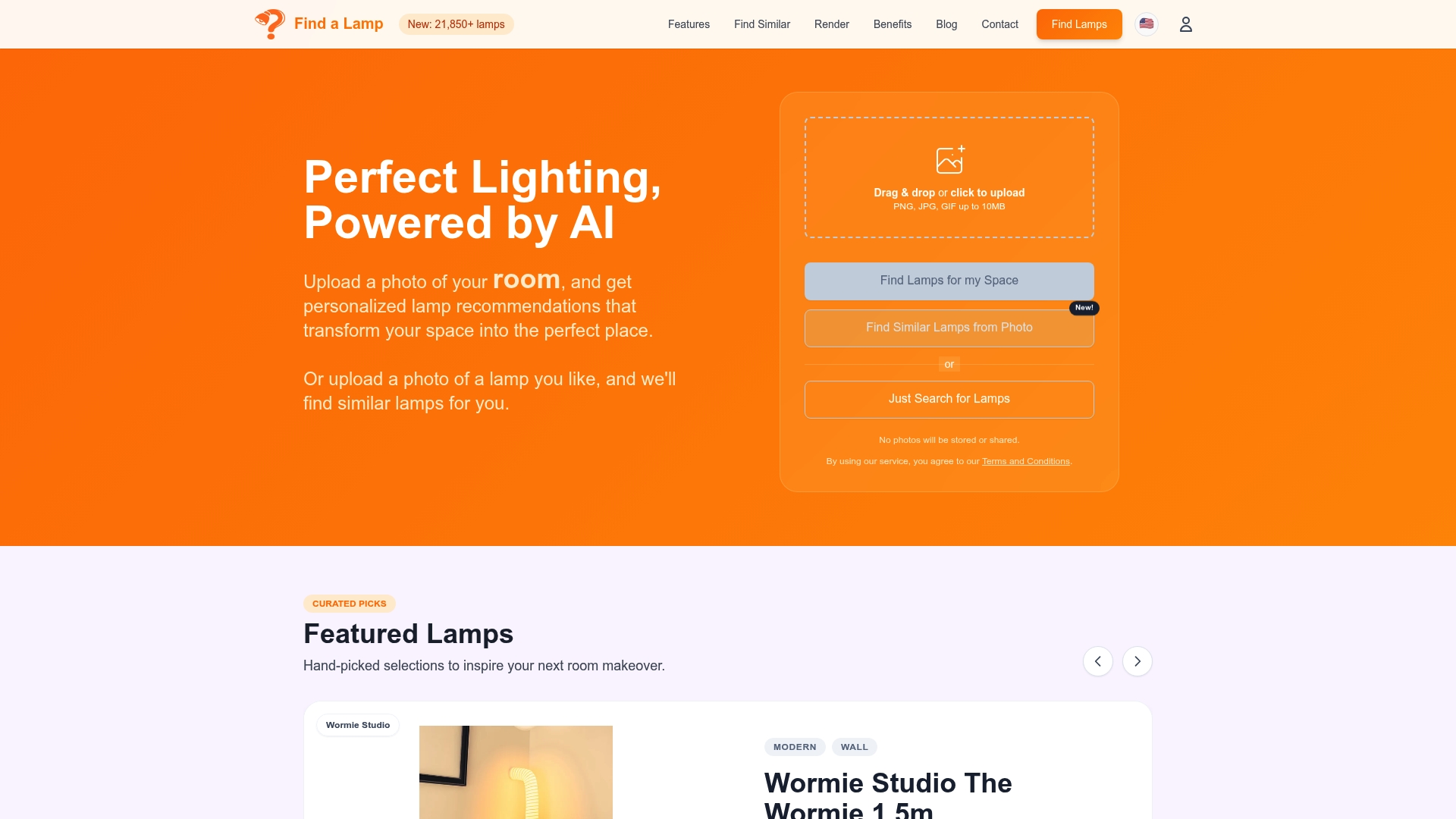
Bij Find a Lamp hebben we ons platform specifiek gebouwd om die kloof te overbruggen. We begrijpen dat het selecteren van de perfecte verlichting voor een complexe open ruimte een ontmoedigende taak kan zijn. Daarom is onze AI-gestuurde aanbevelingsengine ontworpen om het proces te vereenvoudigen, zodat je die veelvoorkomende valkuilen vermijdt en een werkelijk comfortabele en stijlvolle omgeving creëert.
Of je nu wordt aangetrokken door de ruwe, sculpturale kwaliteit van industriële woonkamerverlichting, een statementstuk in de vorm van een grandioze kroonluchter voor ogen hebt, of op zoek bent naar een verfijnd middelpunt met moderne tafellampen, onze technologie is er om je te begeleiden. Upload eenvoudig een foto van je ruimte, vertel ons over je stijlvoorkeuren, en laat onze AI je indeling, bestaande lichtomstandigheden en functionele eisen analyseren. Vervolgens levert het samengestelde suggesties die logisch zijn voor jouw specifieke situatie, zodat je armaturen vindt die er niet alleen fantastisch uitzien, maar ook perfect presteren binnen je gelaagde verlichtingsschema. Geen eindeloos scrollen meer door duizenden opties in de hoop dat er iets klikt – alleen slimme, gepersonaliseerde aanbevelingen om je leven te verlichten.
Veelgestelde Vragen
Wat is de gelaagde verlichtingsaanpak en waarom is deze belangrijk in open ruimtes?
De gelaagde verlichtingsaanpak combineert omgevingslicht (algemeen), taaklicht (functioneel) en accentlicht (decoratief) bronnen. Het is cruciaal in open ruimtes omdat het helpt om verschillende zones te definiëren zonder fysieke muren, meerdere activiteiten ondersteunt en je in staat stelt de sfeer en energie van de ruimte gedurende de dag te versch