Maximize Room Lighting: How Layout Transforms Your Home
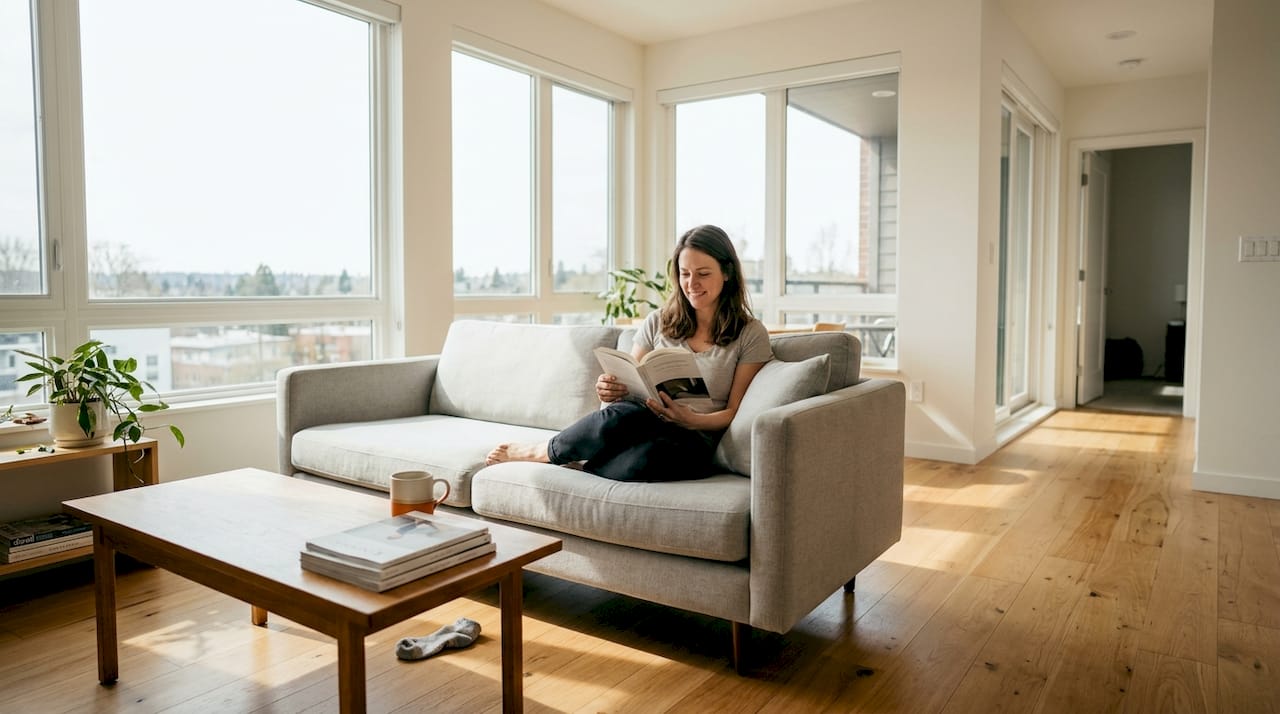
Ever spent ages picking out that *perfect* lamp, only to find the room still feels...off? Maybe a bit dim, or just strangely lit? You're not alone! Often, the problem isn't the lamp itself, but the room's layout. Room layout dictates how much natural light sneaks in, where shadows love to hang out, and how artificial light bounces around. Think about it: room size, shape, where your windows are placed, and even how you arrange your furniture all play a secret role in your daily light experience.
This guide is your roadmap to understanding how layout impacts your lighting. We'll tackle those tricky real-world situations and show you how to pair the *right* lamps with your room's unique personality. Get ready to unlock the potential of your space!
Table of Contents
- The Layout-Light Connection: How Room Design Dictates Your Lighting
- Decoding Common Layout Challenges (and How to Solve Them!)
- Daylight vs. Artificial Lighting: Strategies for a Balanced Room
- Lamp-Layout Matchmaking: Choosing the Right Fixture for Your Space
- A Design Perspective You Rarely Hear: Layout First, Lamps Second!
- Find the Perfect Lamp for Your Unique Layout with Find a Lamp
- Frequently Asked Questions
Key Takeaways
| Point | Details |
|---|---|
| Layout is King (or Queen!) | Room size, shape, and window placement are the *biggest* players in lighting effectiveness. |
| Tackle Tricky Layouts | Deep, narrow, oddly shaped rooms? We've got solutions like "wall washing" and clever mirror placement. |
| Lamps with a Purpose | Choosing lamps that *complement* your room layout ensures both beauty *and* functionality. |
| Plan Ahead for Lighting Bliss | Think about wiring and lamp placement *before* construction (if possible!) for maximum impact. |
| AI to the Rescue! | AI-powered tools (like ours!) help you find lamps that are a perfect fit for your space and lighting goals. |
The Layout-Light Connection: How Room Design Dictates Your Lighting
Think of your room as a vessel holding light. The shape of that vessel *totally* matters! A long, narrow room with a single window acts very differently than a square room with windows on two sides. Understanding this is the first step to making smarter lighting choices.
Deep rooms tend to trap daylight near the windows, leaving the back feeling like a cave. Shallow rooms, on the other hand, let natural light bounce around more freely. This isn't a small difference! You might need *double* or *triple* the artificial light in a deep room to achieve the same cozy vibe as a well-lit shallow room.
Let's break down how different layout elements affect light:
| Layout Factor | Effect on Light |
|---|---|
| Room Depth | Deeper rooms hoard daylight near the windows. |
| Window Height | Higher windows can push light further into the room. Think clerestory windows! |
| Window Width | Wider windows bring in more light overall. |
| Wall Color | Light walls bounce light around; dark walls soak it up. |
| Furniture Placement | Big furniture near windows can block precious light. |
It's not just about windows! Interior design elements also play a huge role. A large mirror opposite a window can almost *double* the perceived brightness. Light-colored floors bounce light upwards. And those heavy curtains you love? They can drastically cut down on natural light, even on a sunny day.
A great first step is to map out how natural light moves through your space. Walk through at different times of day (8 am, noon, 4 pm) and note where the dark spots are. Those are the areas that need your artificial lighting love!
"The overall light quality depends on how room depth, shape, window placement, and interior features all work together."
For a deeper dive into how design choices and light interact, check out our comprehensive room-by-room lighting guide for practical tips and tricks.
Decoding Common Layout Challenges (and How to Solve Them!)
Now that we know the basics, let's tackle some real-life lighting frustrations. Most lighting issues stem from a few predictable layout traps.
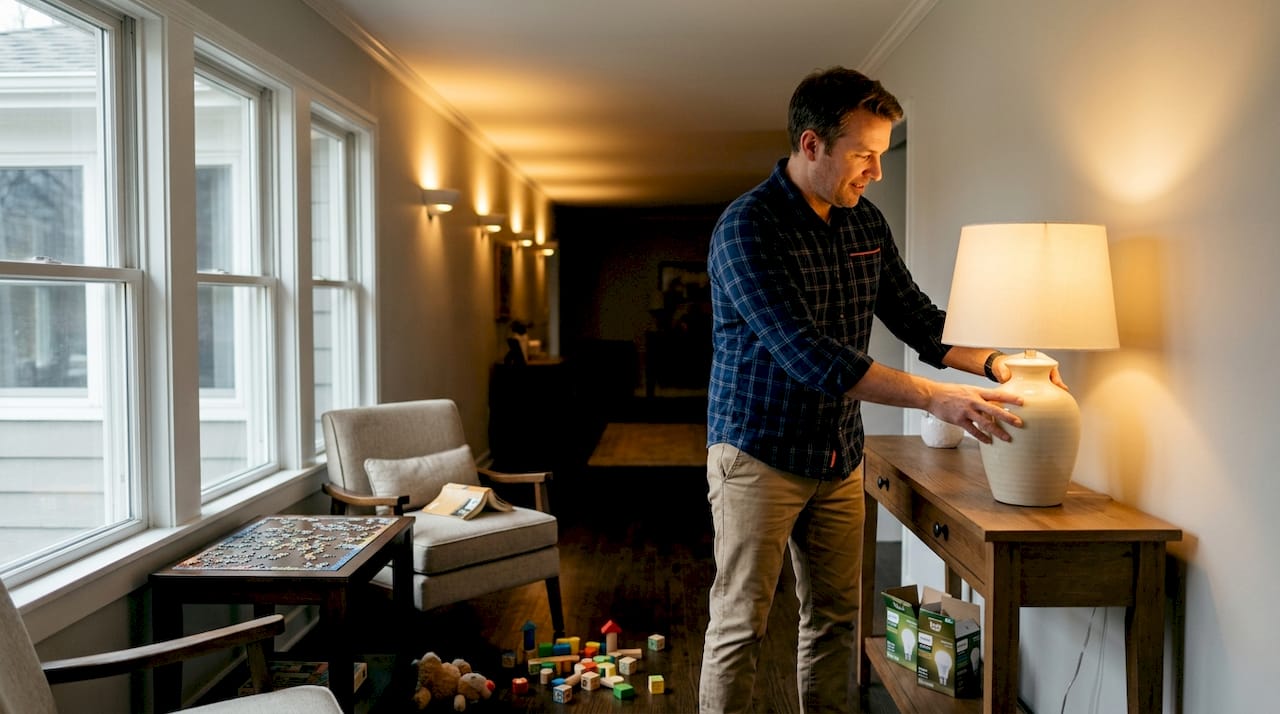
One common culprit is the "single-aspect" room, where all windows face one direction. Deep, narrow rooms with these windows create a major imbalance: bright near the window, dim in the back. Small spaces with awkward corners suffer similarly, with shadows lurking where the sun don't shine.
Here's your arsenal to fight back:
- Wall Washing: Position lights to shine across an entire wall, banishing corner shadows and making the room feel wider.
- Uplights: These floor-level lights bounce light off the ceiling, creating the illusion of more height and volume.
- Light Wells (or Borrowed Light): In deep rooms, consider internal windows or glazed doors between rooms to let light travel further.
- Dual-Aspect Windows: If you're renovating, adding windows on a second wall will transform the light distribution and reduce your reliance on artificial light.
- Mirrors and Reflective Surfaces: Smart placement can amplify the light you already have without any wiring.
| Layout Problem | Best Solution |
|---|---|
| Dark Back of a Deep Room | Wall washing, uplights, or light wells. |
| Narrow Room Feels Cramped | Horizontal wall washing. |
| Corner Shadows | Uplight or angled accent lamp. |
| Single-Aspect Window | Add a glazed door or mirror on the opposite wall. |
Pro Tip: Before buying new lamps, try moving your existing ones! Position them in corners and angle them towards the walls. This simple trick can drastically reduce shadows.
For renters who can't drill or rewire, check out our no-drill lighting solutions for flexible options. Hallways, which are notoriously tricky due to their long, narrow shape, benefit from traditional hallway lighting that shines outwards instead of straight down.
Daylight vs. Artificial Lighting: Strategies for a Balanced Room
Now that we've tackled specific problems, let's compare how your lighting strategy changes depending on whether you're maximizing natural light or optimizing artificial light. They overlap, but they're not the same!
For maximizing daylight, the verdict is clear: dual-aspect windows on multiple walls dramatically improve how light spreads and protect you from obstructions like buildings or trees. High-level glazing, like clerestory windows near the ceiling, pushes light deeper into a room than standard windows ever could.
For artificial lighting, the strategy shifts towards careful planning and layering:
- Map Your Room Zones First. Where do you read, cook, work, or just hang out? Identify these areas.
- Plan Wiring *Before* Renovating. Adding electrical work after the walls are up is expensive and limits your options.
- Use Portable Lamps Wisely. Floor lamps and table lamps in living room setups give you the freedom to adjust the light as needed.
- Install Dimmers on Recessed Lights. Recessed lights are best when dimmed to avoid harsh, flat light.
- Layer Your Light Sources. A single overhead fixture is almost *never* the answer. Combine ambient, task, and accent lighting for depth and comfort.
How you use the room is key. A home office needs consistent, glare-free task lighting. A living room thrives on warm, layered ambient light that changes throughout the evening. Align your strategy with the room's purpose to avoid common lighting mistakes.
Pro Tip: For rooms that are both workspaces and relaxation zones, install two separate lighting circuits: one for task lighting and one for ambient light. This lets you change the mood without moving furniture.
For more on how daylight and layout interact, check out resources from architectural practices. The principles are surprisingly relevant to residential spaces. Architectural Digest offers some great insights from top designers.
Lamp-Layout Matchmaking: Choosing the Right Fixture for Your Space
Knowing your layout strategy is half the battle. The other half is choosing the right lamps and putting them where they'll shine the most.
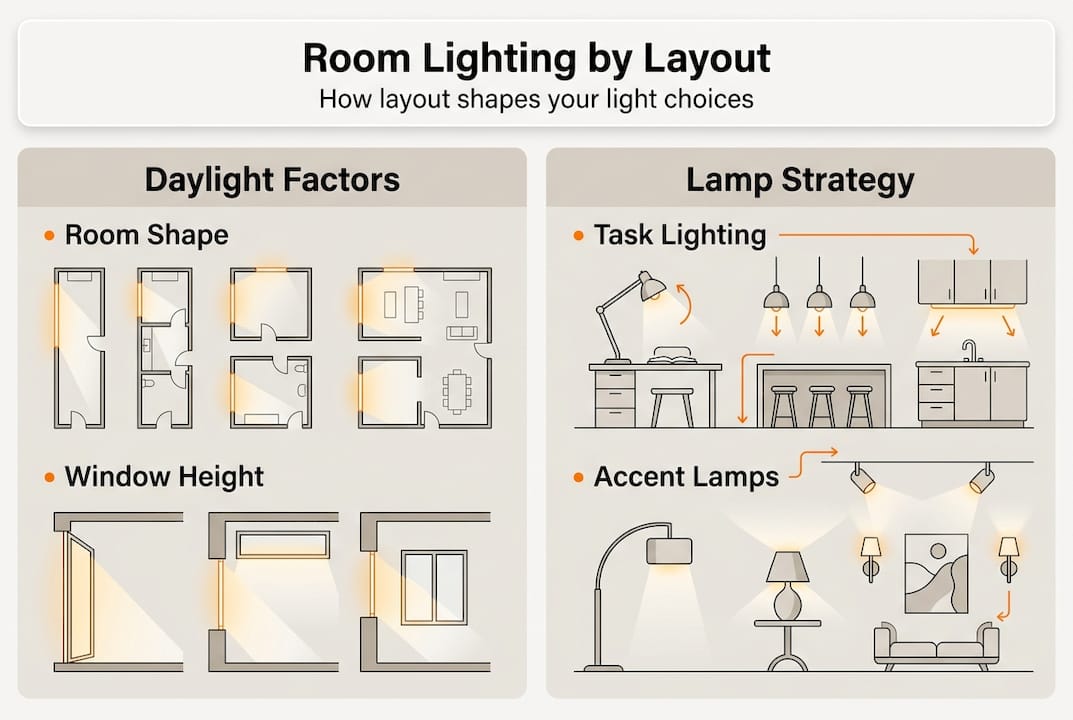
Your layout dictates what kind of lamp works best. A tall, narrow floor lamp is great for a deep room where you need to push light away from the window wall. A wide-shade table lamp is better for a shallow room where you want soft, diffused light. Pendant lights work well in rooms with high ceilings but can feel overwhelming in low spaces.
Here's a handy matching guide:
- Deep Rooms: Use floor lamps in the middle to light the back; add wall sconces to avoid relying solely on overhead lights.
- Narrow Rooms: Choose slim fixtures and avoid wide lampshades that take up visual space; wall-mounted swing-arm lamps are perfect.
- Open Plan Layouts: Create lighting zones with different lamp types; a pendant over the dining table, floor lamps in the lounge.
- Low-Ceiling Rooms: Use flush-mount or semi-flush fixtures; avoid tall torchieres that almost touch the ceiling.
- Corner Dead Zones: A small uplight or accent lamp placed directly in the corner pushes light upwards and eliminates the shadows.
"Layering" is the word professionals use most often. Task lighting for focused activities. Accent lighting for dimension. Ambient lighting to tie it all together. A room-by-room approach makes layering manageable.
Pro Tip: Dimmable lamps are a must-have in multi-use rooms. Reducing brightness by even 30% can completely change the atmosphere.
For home offices, plan your lamp placement *before* you finalize your desk position to avoid glare on your screen. Use portable lamps for task and accent lighting in living areas, and use recessed lights for general ambient light with dimmer control.
A Design Perspective You Rarely Hear: Layout First, Lamps Second!
Here's a secret most lighting retailers won't tell you: a stunning lamp in the wrong layout will *always* underperform a simple lamp in a well-planned space. The industry focuses on fixtures, but the real magic happens *before* you open a catalog.
We've seen homeowners spend big bucks on fancy pendants and floor lamps, only to be disappointed. In almost every case, the problem was the layout. Dark walls, deep rooms, or single-aspect windows were absorbing or blocking the light.
The surprising truth is that layout tweaks often deliver *bigger* results than lamp upgrades. Painting a wall lighter, moving a sofa away from the window, or adding a mirror can outperform a fixture swap every time. Rooms that feel great are rooms where layout and lighting work *together*.
Start with your room's bones. Then choose your lamps.
Find the Perfect Lamp for Your Unique Layout with Find a Lamp
Once you understand how your room layout shapes your lighting needs, choosing the right lamp becomes much easier. Find a Lamp uses AI to match lamp recommendations to your specific room shape, style, and lighting goals.

Upload a photo of your room and get personalized suggestions instantly, or browse curated lamps for living rooms filtered by room type and aesthetic. Whether you're dealing with a deep, dark room or a narrow hallway, Find a Lamp can suggest fixtures that truly fit. From classic ambient options to playful statement lighting, every recommendation is linked to your actual layout, not just generic style guides.
Frequently Asked Questions
How does room layout influence daylight?
Room layout determines how much daylight enters and spreads. Deep or oddly shaped rooms restrict natural light to areas near windows.