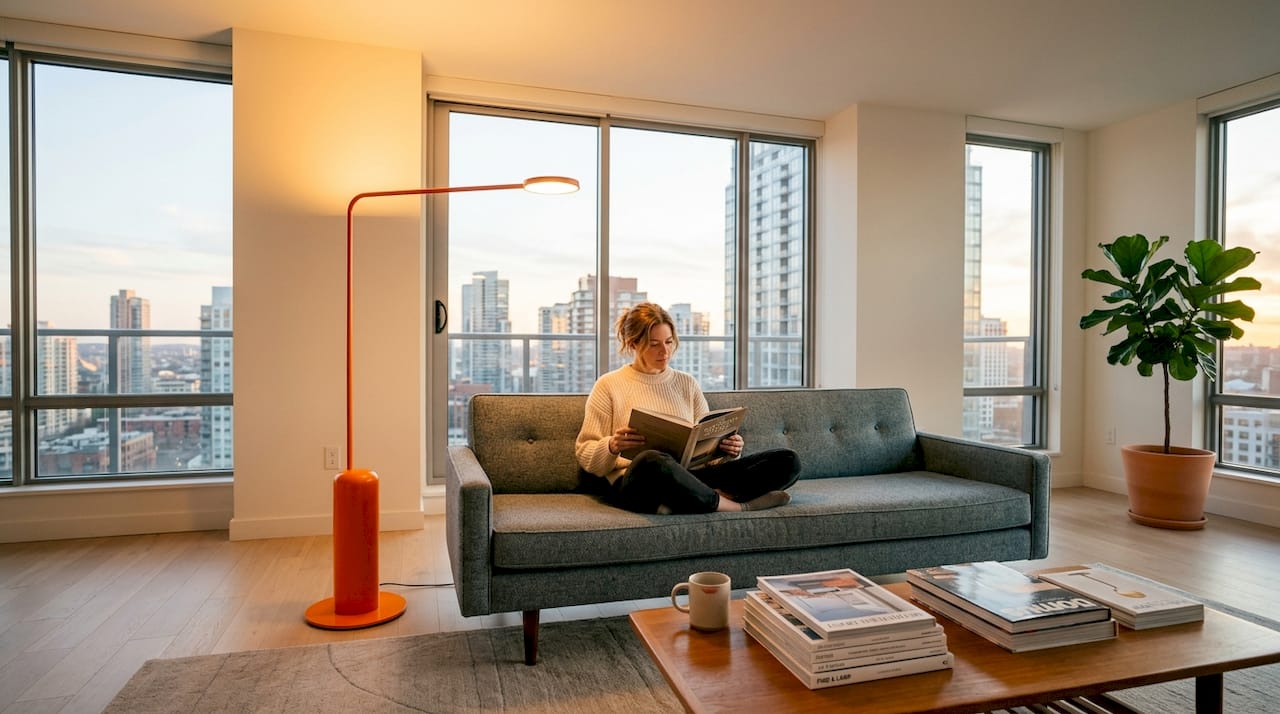
Haben Sie jemals einen Raum betreten und sich einfach... richtig gefühlt? Oder, umgekehrt, ein unerklärliches Gefühl des Unbehagens verspürt, obwohl die Möbel schick und die Wände frisch gestrichen waren? Wahrscheinlich haben Sie die subtile, aber tiefgreifende Kraft der Beleuchtung erlebt. Die meisten von uns betrachten Beleuchtung als nachträglichen Einfall, etwas, das wir erst nach dem Möbelrücken und dem Trocknen der Farbe festlegen. Dabei ist Beleuchtung wohl der mächtigste Hebel, den wir haben, um zu gestalten, wie sich ein Raum jeden einzelnen Tag anfühlt und funktioniert. Sie ist die unsichtbare Architektur, die nicht nur bestimmt, was Sie sehen, sondern auch, wie Sie sich fühlen, wie gut Sie schlafen und sogar wie produktiv Sie sind.
Der Teil, der die Menschen wirklich überrascht: Weder rein direkte noch rein indirekte Beleuchtung gewinnt in puncto Komfort und wahrgenommener Helligkeit. Die Wissenschaft weist auf ein spezifisches Gleichgewicht hin, und fast kein Zuhause trifft es richtig. In den folgenden Abschnitten werden wir diese Forschung aufschlüsseln, sie in umsetzbare Raum-für-Raum-Strategien übersetzen und Ihnen zeigen, wie Sie Räume schaffen, die Ihr Wohlbefinden wirklich unterstützen, egal ob Sie als Hausbesitzer eine komplette Überarbeitung planen oder als Mieter nach kautionfreundlichen Upgrades suchen. Machen Sie sich bereit, Ihre Welt zu erleuchten!
Inhaltsverzeichnis
- Wie Beleuchtung die Funktion und das Gefühl Ihres Raumes definiert
- Die Wissenschaft hinter Lichtverhältnissen: Direkte vs. indirekte Beleuchtung
- Beleuchtung für Wohlbefinden: Stimmung, Schlaf und zirkadiane Rhythmen
- Flexible Beleuchtungslösungen für Hausbesitzer und Mieter
- Was die meisten Ratgeber über Beleuchtung und Raumfunktion übersehen
- Finden Sie innovative Beleuchtungslösungen für jeden Raum
- Häufig gestellte Fragen
Wichtige Erkenntnisse
| Punkt | Details |
|---|---|
| Ausgewogene Beleuchtung sorgt für Komfort | Eine Mischung aus indirekter und direkter Beleuchtung (idealerweise 35-65% indirekt) maximiert die wahrgenommene Helligkeit und Raumakzeptanz. |
| Beleuchtung beeinflusst das Wohlbefinden | Abstimmbare LED- und zirkadian-basierte Lösungen verbessern die Schlafqualität, steigern die Stimmung und unterstützen natürliche Körperrhythmen. |
| Mieterfreundliche Upgrades existieren | Steckbare Wandleuchten, intelligente Glühbirnen und LED-Streifen bieten effektive Beleuchtung ohne dauerhafte Veränderungen. |
| Vertikale Flächen verändern den Eindruck | Die Beleuchtung von Wänden oder Decken schafft eine geräumigere, komfortablere und bevorzugtere Umgebung, die oft übersehen wird. |
| Personalisierte Lösungen sind zugänglich | KI-Tools und kuratierte Kollektionen machen die individuelle Anpassung der Beleuchtung für jede Wohnsituation und jeden Designstil einfach. |
Wie Beleuchtung die Funktion und das Gefühl Ihres Raumes definiert
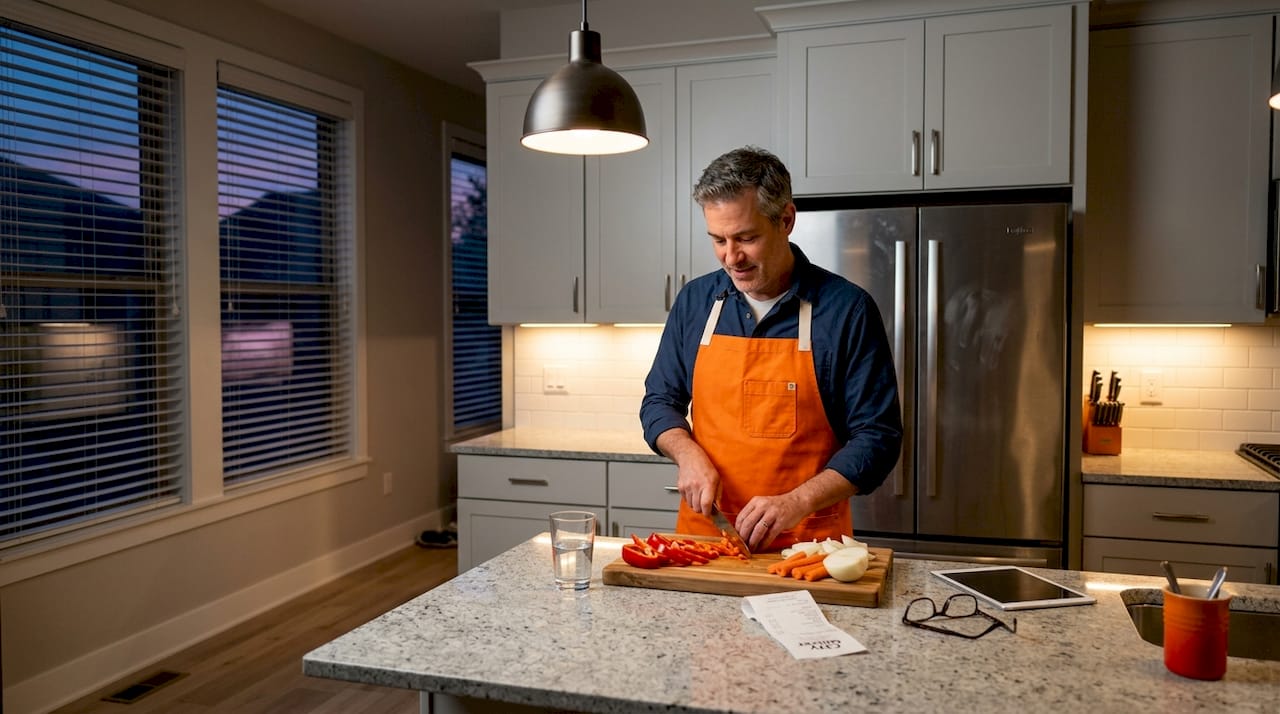
Stellen Sie sich Beleuchtung als den unsichtbaren Architekten Ihres Zuhauses vor. Während Wände und Böden definieren, was ein Raum ist, definiert Beleuchtung, wie es sich anfühlt, darin zu sein. Das ist der Unterschied zwischen einer kargen, sterilen Umgebung und einem gemütlichen, einladenden Rückzugsort. Eine Küche, die von einem einzigen, grellen Deckenstrahler überflutet wird, wirkt klinisch und effizient, was dazu anregt, schnell rein und raus zu gehen. Dieselbe Küche, mit einer warmen Pendelleuchte über der Insel, weichen Unterbauleisten und subtiler Deckenflutung, die das Licht von der Decke reflektiert? Sie wird sofort einladend, ein Ort, an dem man beim Kaffee verweilt, Geschichten teilt und die Essenszubereitung wirklich genießt.
Beleuchtung wirkt gleichzeitig auf zwei unterschiedlichen Ebenen. Die erste ist funktional: Sie hilft Ihnen, für bestimmte Aufgaben wie Gemüse schneiden, ein Buch lesen oder Make-up auftragen, klar zu sehen. Hier geht es um Sichtbarkeit und Sicherheit. Die zweite ist emotional: Sie schafft die Stimmung, signalisiert Übergänge von aktiver Arbeit zu entspannter Ruhe und beeinflusst sogar, wie weitläufig oder intim sich ein Raum räumlich anfühlt. Eine gute Beleuchtungsanalyse für jeden Raum behandelt beide Ebenen mit gleicher Ernsthaftigkeit, weshalb eine Einheits-Deckenleuchte selten beides zufriedenstellt.
„Die Art und Weise, wie ein Raum beleuchtet wird, kommuniziert genauso viel wie die Möbel darin. Beleuchtung ist keine Dekoration; sie ist die Atmosphäre selbst und beeinflusst jede Interaktion und Emotion in diesem Raum.“
Wo die meisten Haushalte Fehler machen, liegt an zwei hartnäckigen Gewohnheiten. Erstens, sich fast ausschließlich auf direkte Deckenbeleuchtung zu verlassen, die einen Raum visuell abflacht, harte Schatten auf Gesichter wirft (hallo, unvorteilhafte Selfies!) und zu Augenbelastung führen kann. Zweitens, vertikale Flächen völlig zu ignorieren, obwohl die Forschung zeigt, dass Wände und Decken entscheidend dafür sind, wie wir Raum und Komfort wahrnehmen. Studien betonen die vertikale Beleuchtungsstärke für Raumeindruck und Präferenz, während die meisten Installationsstandards immer noch fast ausschließlich die horizontale Beleuchtungsstärke auf Schreibtisch- oder Bodenniveau in den Fokus nehmen. Das bedeutet, wir entwerfen oft für einen Meter, nicht für die menschliche Erfahrung.
Hier ist eine kurze Übersicht, was verschiedene Räume typischerweise benötigen:
- Wohnzimmer: Profitieren von geschichteter Beleuchtung mit einer Mischung aus Umgebungs- (indirekt), Akzent- und Arbeitslichtquellen, um mehrere Aktivitäten zu unterstützen, vom Filmeschauen über das Lesen bis hin zum Empfang von Gästen. Denken Sie an Stehleuchten, Tischleuchten und vielleicht dimmbare Einbauleuchten.
- Schlafzimmer: Benötigen abends wärmere, gedämpftere Optionen, um natürliche Schlafhinweise und die Melatoninproduktion zu unterstützen. Weiche Nachttischlampen und sanftes Umgebungslicht sind entscheidend, helle Deckenleuchten vor dem Schlafengehen sollten vermieden werden.
- Küchen: Erfordern starke, schattenfreie Arbeitsbeleuchtung über den Arbeitsflächen (z.B. Unterbauleuchten, fokussierte Pendelleuchten). Sie profitieren jedoch enorm von sanfterer Umgebungsbeleuchtung (z.B. dimmbare Einbauleuchten, dekorative Pendelleuchten), um das klinische, überbeleuchtete Gefühl zu vermeiden, wenn nicht aktiv gekocht wird.
- Home Offices: Benötigen ausgewogene Beleuchtung, die Bildschirmblendung minimiert und gleichzeitig die Wachsamkeit während der Arbeitszeit aufrechterhält. Eine gute Schreibtischlampe in Kombination mit Umgebungslicht, das die Wände beleuchtet, kann Augenermüdung reduzieren.
- Esszimmer: Verfügen oft über eine markante Pendelleuchte über dem Tisch für direktes Licht, aber die Kombination mit Wandleuchten oder dimmbaren Einbauleuchten schafft eine intimere und anpassungsfähigere Atmosphäre für verschiedene Anlässe.
Das Verständnis des Einflusses von Beleuchtung auf die Innenarchitektur beginnt mit der Erkenntnis, dass jede Leuchtenwahl entweder zur Funktion und zum emotionalen Ton eines Raumes beiträgt oder davon ablenkt. Nichts in Ihrem Zuhause ist neutral, wenn es um Licht geht.
Die Wissenschaft hinter Lichtverhältnissen: Direkte vs. indirekte Beleuchtung
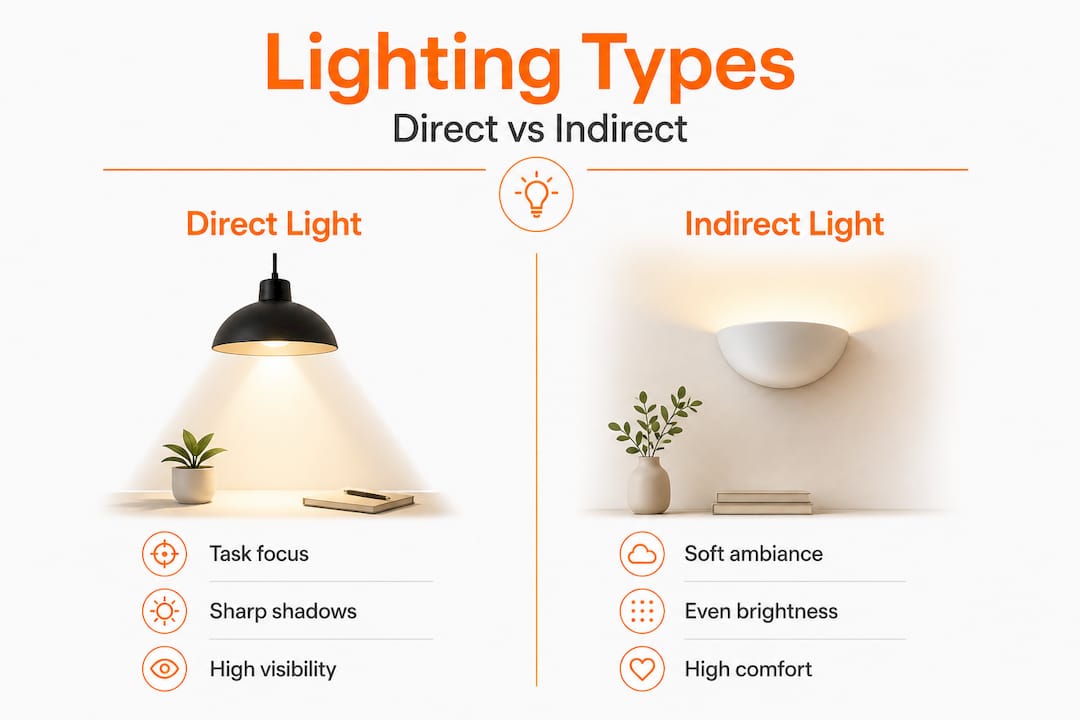
Werden wir spezifisch, denn die Forschung hier ist wirklich faszinierend und oft kontraintuitiv. Direkte Beleuchtung sendet Licht nach unten oder auf eine bestimmte Zielfläche. Denken Sie an Einbaustrahler, gerichtete Pendelleuchten, Spotlights und Schreibtischlampen. Sie ist präzise, effizient für Aufgaben und erzeugt scharfe Schatten. Indirekte Beleuchtung hingegen reflektiert Licht von Decken und Wänden, bevor es Sie erreicht, wodurch ein weicherer, diffusere Glanz entsteht, der einen Raum ohne harte Schatten oder Blendung füllt. Beispiele sind Deckenfluter, Wandleuchten, die Licht nach oben werfen, und Pendelleuchten mit undurchsichtigen Schirmen, die das Licht hauptsächlich nach oben oder unten lenken, wodurch die Decke Licht in den Raum reflektieren kann.
Jahrelang ging man in vielen Designkreisen davon aus, dass mehr direktes Licht gleichbedeutend mit besserer Beleuchtung sei. Heller ist besser, richtig? Nicht ganz. Während direktes Licht entscheidend für Aufgaben ist, kann sich ausschließlich darauf zu verlassen zu visueller Ermüdung und einem flachen, wenig einladenden Raum führen. Der Sweet Spot, so wissenschaftliche Studien, liegt in einem ausgewogenen indirekten/direkten Verhältnis. Insbesondere Verhältnisse von etwa 35 bis 65 Prozent indirektem Licht werden für wahrgenommene Helligkeit, Sehkomfort und allgemeine Akzeptanz gegenüber rein direkten oder rein indirekten Anordnungen bevorzugt.
Diese Erkenntnis ist es wert, einen Moment darüber nachzudenken. Ein Raum, in dem 65% des Lichts von der Decke und den Wänden reflektiert wird, fühlt sich für die darin befindlichen Personen tatsächlich heller und komfortabler an als ein Raum, der mit direkten Downlights „bombardiert“ wird. Warum? Weil indirektes Licht die Luminanz (die Helligkeit, die Ihr Auge tatsächlich wahrnimmt) weitaus gleichmäßiger über Ihr gesamtes Gesichtsfeld verteilt. Dies reduziert die harten Kontraste und die Blendung, die durch rein direkte Beleuchtung entstehen, wodurch sich der Raum offener, weicher und weniger anstrengend für die Augen anfühlt. Es ist wie der Unterschied zwischen dem Starren in einen Scheinwerfer und dem Baden in natürlichem Tageslicht aus einem großen Fenster.
| Beleuchtungsart | Hauptvorteil | Hauptnachteil | Beste Verwendung |
|---|---|---|---|
| Nur direkt | Hohe Sichtbarkeit bei Aufgaben, energieeffizient für bestimmte Zonen | Harte Schatten, visuelle Ermüdung, flaches Erscheinungsbild | Arbeitsflächen, Leseecken, Akzentuierung spezifischer Objekte |
| Nur indirekt | Weiche, blendfreie Atmosphäre, reduziert Schatten, erweitert den Raum | Kann ohne Schichtung flach oder unzureichend für detaillierte Aufgaben wirken | Allgemeine Umgebungsbeleuchtung, Stimmungsgestaltung, Beleuchtung vertikaler Flächen |
| Gemischt (35-65% indirekt) | Optimaler Komfort und wahrgenommene Helligkeit, vielseitig, dynamisch | Erfordert sorgfältige Planung und mehrere Leuchtentypen | Wohnzimmer, Schlafzimmer, Küchen, Home Offices – an alle Räume anpassbar |
Wie Sie dieses Verhältnis anpassen, hängt davon ab, wie Sie einen Raum tatsächlich nutzen und zu welcher Tageszeit. Denken Sie an Raumaufteilung und Beleuchtung zusammen: Ein langer, schmaler Raum profitiert von Wandleuchten, die Licht nach außen drücken, um den wahrgenommenen Raum zu erweitern, während ein Raum mit niedriger Decke von Deckenflutern profitiert, die die Decke höher wirken lassen. Für weitere technische Einblicke in Beleuchtungsdesignprinzipien bietet die Illuminating Engineering Society (IES) umfassende Richtlinien, die oft von Fachleuten herangezogen werden.
Profi-Tipp: Passen Sie Ihr Lichtverhältnis an die Aktivität an. Bei konzentrierten Aufgaben wie Lesen, Kochen oder Arbeiten am Schreibtisch verschieben Sie das Verhältnis zu einem ausgewogeneren 50% direkt, 50% indirekt. Beim Entspannen, Unterhalten oder Ausklingenlassen am Abend verschieben Sie das Verhältnis auf 65 bis 70% indirekt. Ein einfacher Dimmer an Ihrer Deckenleuchte, kombiniert mit einer steckbaren Stehleuchte mit einer nach oben gerichteten Schale oder Wandflutern, kann Ihnen diesen Bereich ohne komplexe Neuverkabelung ermöglichen.
Beleuchtung für Wohlbefinden: Stimmung, Schlaf und zirkadiane Rhythmen
Hier hört Beleuchtung auf, rein ästhetisch zu sein, und wird zu einer Frage Ihrer Gesundheit, Produktivität und allgemeinen Lebensqualität. Ihr Körper folgt einem zirkadianen Rhythmus, einer etwa 24-stündigen inneren Uhr, die Schlaf, Energieniveau, Stimmung, Hormonproduktion und sogar den Appetit steuert. Licht ist das stärkste externe Signal, das diese innere Uhr jeden Tag neu einstellt und synchronisiert. Die Exposition gegenüber hellem, kühl getöntem Licht am Morgen signalisiert Ihrem Körper, aufzuwachen und wach zu sein, während das Fehlen solchen Lichts und die Anwesenheit von warmem, gedämpftem Licht am Abend signalisiert, dass es Zeit ist, zur Ruhe zu kommen und sich auf den Schlaf vorzubereiten.
Das Problem? Die meisten Haushalte liefern morgens um 8 Uhr und abends um 20 Uhr die gleiche Lichtqualität und -intensität, wodurch das Zeitsystem des Körpers im Wesentlichen verwirrt wird. Dieses konstante, unveränderliche Licht kann Schlafzyklen stören, zu Tagesmüdigkeit beitragen und sogar Stimmungsstörungen verschlimmern. Die Lösung ist nicht kompliziert, erfordert aber Absicht und ein wenig Wissen über Farbtemperatur.
Studien zeigen, dass LED-Beleuchtung die Schlafqualität verbessert und die Tagesfunktionsstörungen im Vergleich zu Leuchtstofflampen reduziert, insbesondere in Räumen mit begrenztem Zugang zu natürlichem Tageslicht. Dies ist wichtig für Kellerwohnungen, nach Norden ausgerichtete Räume und Büros ohne Fenster. Der Hauptvorteil von LEDs ist ihre Abstimmbarkeit – ihre Farbtemperatur kann präzise gesteuert werden, auf eine Weise, die mit Leuchtstofflampen und herkömmlichen Glühlampen einfach nicht möglich ist, wodurch sie natürliche Lichtverschiebungen nachahmen können.
Zirkadiane Beleuchtungssysteme, die natürliche Tageslichtverschiebungen nachahmen (hell und kühl getönt am Morgen, allmählich wärmer und gedämpfter am Abend), reduzieren messbar Depressionssymptome, verbessern die Konzentration und heben die allgemeine Stimmung. Stellen Sie es sich so vor, als würden Sie der Beleuchtung Ihres Zuhauses einen Tagesrhythmus geben, der mit der Sonne synchronisiert ist, auch wenn die Sonne von Ihrem Fenster aus nicht sichtbar ist. Dieser Ansatz optimiert die natürlichen Prozesse Ihres Körpers und führt zu besserem Schlaf, verbesserter Konzentration und einem größeren Wohlbefinden.
| Beleuchtungsart | Farbtemperatur (Kelvin) | Zirkadianer Effekt | Beste Tageszeit / Anwendungsfall |
|---|---|---|---|
| Kaltweiße LED | 5000-6500K (Tageslicht-blau-weiß) | Steigert Wachsamkeit, unterdrückt Melatonin, verbessert die Konzentration | Morgen bis früher Nachmittag, Arbeitsbeleuchtung in Küchen/Büros |
| Neutralweiße LED | 3500-4000K (Ausgewogenes, klares Weiß) | Moderate Wachsamkeit, neutrale Stimmung, gut für allgemeine Aufgaben | Mittag bis später Nachmittag, allgemeine Umgebungsbeleuchtung |
| Warmweiße LED | 2700-3000K (Bernstein-warm, traditionelles Glühlampengefühl) | Fördert Entspannung, unterstützt Melatoninproduktion | Abend und Nacht, Wohnzimmer, Schlafzimmer, Essbereiche |
| Gedämpfte warmweiße Glühlampe/LED | 2200K oder niedriger (Kerzenlichtglühen) | Starke Melatoninunterstützung, tief beruhigend, signalisiert Schlaf | Schlafenszeit-Routinen, Entspannungszonen, sehr später Abend |
Hier ist eine einfache, umsetzbare Reihenfolge, um stimmungsaufhellende, zirkadian-freundliche Beleuchtung in Ihrem Zuhause zu implementieren:
- Überprüfen Sie Ihre aktuellen Leuchten: Identifizieren Sie, welche Lichter Sie zu welcher Tageszeit verwenden und ob sie warm- oder kühl getönt sind. Notieren Sie Bereiche, in denen Sie mehr Wachsamkeit (morgens) im Vergleich zu Entspannung (abends) benötigen.
- Ersetzen Sie Glühbirnen für den morgendlichen Gebrauch: Ersetzen Sie in Bereichen wie Küchen, Bädern und Home Offices Glühbirnen durch helle, kühl- bis neutral getönte LEDs im Bereich von 4000 bis 5000K für den Morgen- und frühen Nachmittagsgebrauch. Diese geben Ihnen das "Aufwach"-Signal.
- Fügen Sie warm getönte Lampen für den Abend hinzu: Führen Sie in Wohnbereichen und Schlafzimmern nach Sonnenuntergang warm getönte Lampen (Tischlampen, Stehleuchten) ein, die im Bereich von 2700 bis 3000K liegen. Diese sollten im Laufe des Abends Ihre primären Lichtquellen sein.
- Installieren Sie Dimmer, wo immer möglich: Selbst einfache steckbare Dimmeradapter für Lampen können einen großen Unterschied machen, indem sie die Helligkeit im Laufe des Abends reduzieren. Dimmen ist entscheidend für die Melatoninproduktion.
- Verwenden Sie intelligente Glühbirnen mit Zeitplanung: Investieren Sie in intelligente Glühbirnen, die abstimmbare Weißfähigkeiten (Verschiebung von kühlen zu warmen Farbtemperaturen) und Zeitplanungsfunktionen bieten. Automatisieren Sie die Farb- und Helligkeitsverschiebung, sodass der Übergang stattfindet, ohne dass Sie darüber nachdenken müssen. Viele Modelle können sogar mit Sonnenaufgangs-/Sonnenuntergangsdaten für Ihren Standort verbunden werden.
- Schaffen Sie eine spezielle Zone für schwaches Licht: Verwenden Sie in Ihrem Schlafzimmer eine Nachttischlampe mit einer sehr warmen Glühbirne (2200K oder niedriger), auf die Sie mindestens eine Stunde vor dem Schlafengehen umstellen. Dies signalisiert Ihrem Körper, dass es Zeit ist, sich auf die Ruhe vorzubereiten.
Ein Raum-für-Raum-Beleuchtungsführer hilft Ihnen, diese Änderungen systematisch zu sequenzieren, anstatt alles auf einmal nachzurüsten. Weitere Informationen zur Wissenschaft des Lichts und seinen Auswirkungen auf die Gesundheit finden Sie in Ressourcen von Institutionen wie der Sleep Foundation.
Profi-Tipp: Intelligente Glühbirnen, die „tunable white“ (die Fähigkeit, die Farbtemperatur von kühl auf warm nach einem Zeitplan zu verschieben) unterstützen, sind das Upgrade mit dem größten Einfluss auf das zirkadiane Wohlbefinden. Viele Modelle verbinden sich jetzt automatisch mit Sonnenaufgangs- und Sonnenuntergangsdaten und passen die Beleuchtung Ihres Zuhauses in Echtzeit an die tatsächliche Tageszeit an Ihrem Standort an. Es ist, als hätten Sie einen persönlichen Lichtdesigner, der in Ihre Leuchten eingebaut ist!
Flexible Beleuchtungslösungen für Hausbesitzer und Mieter
Einer der größten Beleuchtungsmythen, denen wir begegnen, ist, dass sinnvolle Upgrades einen Elektriker, das Einreißen von Wänden oder ein Vermögen erfordern. Für Hausbesitzer mit vorhandener Verkabelung und der Freiheit, Leuchten zu modifizieren, sind permanente Upgrades wie die Installation von Einbauleuchten, das Hinzufügen von Dimmern an bestehenden Stromkreisen oder die Festverdrahtung neuer Pendelleuchten selbstverständlich verfügbar. Aber was ist mit Mietern oder denen in älteren Immobilien ohne Deckenbeleuchtung in jedem Raum? Sie haben mehr effektive und stilvolle Optionen, als Sie vielleicht denken, und sie sind definitiv wirkungsvoller, als nur eine weitere Stehleuchte zu kaufen.
Mieterfreundliche Beleuchtungslösungen wie steckbare Wandleuchten, Bogen-Stehleuchten, intelligente Glühbirnen und LED-Lichtstreifen lösen das Problem der fehlenden Deckenverkabelung elegant und, entscheidend, bewahren Ihre Kaution, da keine dauerhaften Änderungen erforderlich sind. Der Schlüssel ist zu wissen, welche Produkte man wählen und wie man sie strategisch einsetzen kann, um Lichtschichten zu erzeugen.
Hier ist eine praktische Liste mieterfreundlicher Beleuchtungs-Upgrades, die große Wirkung erzielen:
- Steckbare Wandleuchten: Diese bieten den raffinierten Look und die fokussierte Funktion fest verdrahteter Wandleuchten mit einem diskreten Kabel, das entlang der Wand oder hinter Möbeln verläuft. Perfekt zum Flankieren eines Bettes, Sofas oder Kunstwerks, fügen sie eine entscheidende vertikale Lichtschicht hinzu.
- Bogen-Stehleuchten: Hohe, geschwungene Lampen, die einen Schirm über einem Sitzbereich positionieren und das Gefühl von Deckenbeleuchtung ohne Deckenbefestigung imitieren. Sie sorgen für hervorragendes Umgebungslicht und können Zonen in einem offenen Raum definieren.
- LED-Lichtstreifen: Selbstklebende LED-Streifen, die hinter Möbeln, unter Regalen, entlang von Deckenrändern oder in Schränken angebracht werden, erzeugen ein wunderschönes indirektes Umgebungslicht. Sie sind rückstandsfrei entfernbar und oft mit Fernbedienungen für Farbe und Helligkeit ausgestattet.
- Klemm- und Clip-Lampen: Hochgradig anpassbare Arbeitsbeleuchtung, die ohne Werkzeug oder Wandanker an Regalen, Kopfenden oder Schreibtischen befestigt wird. Ideal für Leseecken, Arbeitsbereiche oder sogar zur Hervorhebung dekorativer Objekte.
- Intelligente Glühbirnen in vorhandenen Fassungen: Das einfachste und oft wirkungsvollste Upgrade. Durch den Austausch vorhandener Lampenbirnen durch intelligente Glühbirnen verwandeln Sie eine einzelne Leuchte in ein dynamisches, App- oder sprachgesteuertes Beleuchtungssystem, das abstimmbares Weiß, Farbwechsel und Zeitplanung ermöglicht.
- Batteriebetriebene Puck-Lichter: Kleine, bewegungsaktivierte LED-Pucks sind perfekt für Schränke, Speisekammern, Ausstellungsregale oder unter Treppenkanten, wo kein Stromanschluss vorhanden ist. Sie bieten praktische Arbeitsbeleuchtung ohne jegliche Verkabelung.
Für Hausbesitzer erweitert sich die Landschaft erheblich. Die Neuverkabelung für Einbauleuchten bietet einen sauberen, architektonischen Look für Umgebungslicht. Das Hinzufügen von Dimmern an bestehenden Stromkreisen ist ein Muss für Flexibilität. Die Installation von Deckenrosetten mit neuen Pendelleuchten kann atemberaubende Blickpunkte schaffen. Und die Integration von Smart-Home-Beleuchtungssystemen (wie Lutron Caseta, Philips Hue oder Casambi) bietet eine unvergleichliche Kontrolle, Automatisierung und Energieeffizienz in Ihrem gesamten Wohnraum. Die besten inspirierenden Beleuchtungsbeispiele kombinieren konsequent permanente Umgebungsleuchten mit flexibler, geschichteter Akzent- und Arbeitsbeleuchtung für maximale Anpassungsfähigkeit und visuelles Interesse.
Profi-Tipp: Auch wenn Sie Ihr Eigenheim besitzen und alles fest verdrahten könnten, ist es oft klüger, Flexibilität durch steckbare und modulare Lösungen zu bewahren. Das Leben ändert sich, Möbel werden umgestellt, und Geschmäcker entwickeln sich weiter. Ein Beleuchtungssystem, das auf anpassungsfähigen Komponenten basiert, bedeutet, dass Sie Ihren Raum neu gestalten können, ohne ein einziges Kabel zu berühren, was langfristig Zeit und Geld spart. Für weitere kreative Ideen schauen Sie sich Designblogs wie Apartment Therapy an, die oft innovative Beleuchtungskonzepte für vielfältige Wohnsituationen präsentieren.
Was die meisten Ratgeber über Beleuchtung und Raumfunktion übersehen
Hier ist unsere ehrliche, etwas eigenwillige Meinung: Die überwiegende Mehrheit der Beleuchtungsratgeber und sogar professionellen Standards konzentriert sich fast ausschließlich auf die horizontale Beleuchtungsstärke und die Arbeitsbeleuchtung, während sie die räumliche Dimension des Lichts fast vollständig ignorieren. Sie werden Ihnen sagen, wie viele Lumen Sie über einer Küchenzeile oder einem Schreibtisch benötigen, aber nichts darüber, wie das Reflektieren von Licht an Ihren Wänden oder der Decke dieselbe Küche doppelt so groß und dreimal so warm erscheinen lässt.
Die Forschung ist hier eindeutig. Während Standard-Bauvorschriften und Beleuchtungsrichtlinien von horizontalen Beleuchtungsstärken (wie viel Licht auf eine flache Oberfläche wie eine Tischplatte trifft) besessen sind, stellen Studien, die tatsächlich menschliche Präferenz, Komfort und Raumeindruck messen, konsequent fest, dass vertikale Flächen (Wände und Decken) der Ort sind, an dem die wahrnehmungsbezogene Magie geschieht. Ein Raum, dessen Wände mit weichem, reflektiertem Licht leuchten, wirkt weitläufig, sicher und wohnlich. Ein Raum, in dem nur die Bodenfläche beleuchtet ist oder in dem Licht nur nach unten fällt, wirkt hohl, kalt und oft kleiner, als er tatsächlich ist, unabhängig davon, wie technisch "hell" er auf einem Lichtmessgerät abgelesen wird. Dieses Phänomen wird oft als "Höhleneffekt" oder "Spotlight-Effekt" bezeichnet.
Was das praktisch bedeutet: Bevor Sie eine weitere Deckenle