Transform your home: inspiring room lighting examples
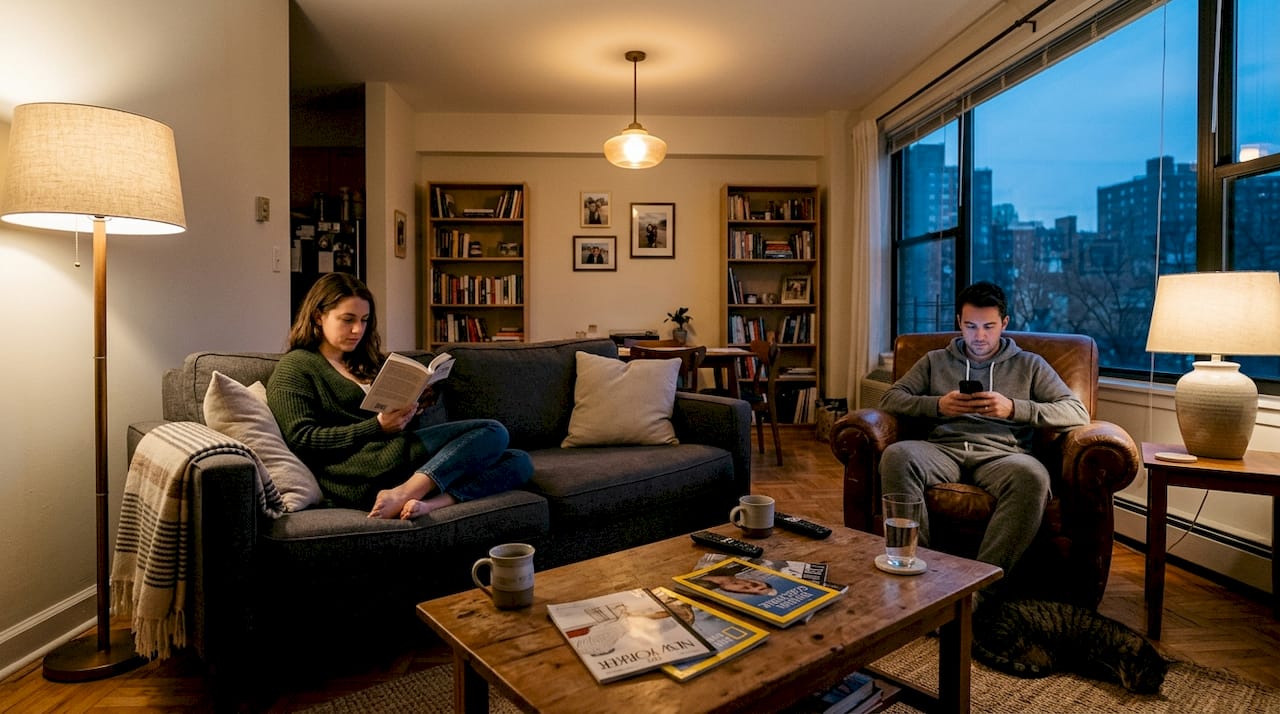
Lighting is one of those things you barely notice when it’s done right, and you can’t stop noticing when it’s wrong. A room that feels flat, gloomy, or weirdly bright almost always has a lighting problem at its core. Yet most homeowners pick a ceiling fixture, call it done, and wonder why the space never quite feels the way they imagined. The good news is that a layered approach, combining the right fixture types with smart placement and the right brightness levels, can completely change how a room feels and functions. This guide walks you through exactly how to do that, room by room.
Table of Contents
- How to evaluate lighting needs for every room
- Examples of layered lighting setups by room
- Lamp and fixture ideas: Inspiring types for layering
- Personalize and visualize: Tools and expert advice for lighting success
- The reality of room lighting: Why rules alone aren’t enough
- Design your perfect lighting setup with Find a Lamp
- Frequently asked questions
Key Takeaways
| Point | Details |
|---|---|
| Layered lighting works best | Combining ambient, task, and accent lights is the foundation for beautiful, flexible rooms. |
| Match brightness to room | Use recommended lux levels and task needs to select the right lamp and fixture for each space. |
| Visualize before you buy | Leverage digital tools and apps to test room layouts and lamp choices before making a purchase. |
| Personalization is key | Adapt general lighting rules to your home’s style, surface reflectivity, and daily routines for best results. |
How to evaluate lighting needs for every room
Before you buy a single bulb, you need to understand what each room actually does. A kitchen demands sharp, even light for safe food prep. A bedroom calls for soft, warm light that signals your brain to wind down. A home office needs focused brightness without glare. These aren’t just preferences; they’re functional requirements that should drive every lighting decision you make.
The professional approach to this is called layered lighting. Layered lighting is the core methodology designers use, built on four distinct layers:
- Ambient lighting: The base layer. General illumination that fills the whole room, usually from ceiling fixtures, recessed lights, or chandeliers.
- Task lighting: Focused light for specific activities. Think under-cabinet strips in the kitchen, a desk lamp in the office, or a reading lamp beside the bed.
- Accent lighting: Directional light that highlights architecture, artwork, or shelving. Wall sconces and track lights do this well.
- Decorative lighting: Fixtures that are as much about style as function. A sculptural pendant or a vintage table lamp adds personality even when it isn’t the brightest thing in the room.
As luxury lighting designers consistently emphasize, using ambient, task, accent, and decorative layers together creates balanced, functional, and inviting spaces that a single source simply cannot achieve.
The most common mistake? Relying on one overhead light to do everything. That single fixture creates harsh shadows, leaves corners dark, and makes rooms feel institutional rather than inviting. A room-by-room lighting guide can help you map out which layers each space actually needs.
“Think of lighting layers the way you think of clothing layers. Each one serves a purpose, and together they create something that works for every condition.”
Pro Tip: Walk through each room at night and note where shadows fall and where you squint. Those two observations will tell you exactly which layers are missing.
Examples of layered lighting setups by room
Once you understand the framework, it becomes much easier to apply it. Here’s how layered lighting actually looks across the most common rooms in a home.
Living room: Start with a central ceiling fixture or recessed lights for ambient coverage. Add floor lamps near seating for warm, readable light. Use wall sconces or picture lights to accent artwork or a fireplace wall. The result is a room that feels rich and dimensional rather than flat.
Kitchen: Recessed ceiling lights handle ambient needs, but the real workhorses are under-cabinet LED strips that illuminate countertops directly. A pendant over the island adds both task light and visual interest. Check out kitchen lighting tips for specific fixture placement ideas.

Bedroom: A ceiling fixture with a dimmer sets the ambient tone. Bedside table lamps handle reading without flooding the whole room. A small accent light inside a wardrobe or behind a headboard adds a cozy, hotel-like feel.
Bathroom: Vanity lighting on either side of the mirror (not just above it) eliminates the unflattering shadows that overhead-only setups create. A recessed ceiling light handles general illumination.
Home office: Overhead ambient light combined with a dedicated desk lamp prevents eye strain. Home office lighting advice recommends positioning task lights to avoid screen glare.
Brightness matters as much as fixture type. Recommended lux levels vary significantly by room:
| Room | Recommended lux | Suggested fixtures |
|---|---|---|
| Living room | 50–300 lux (up to 750 for reading) | Floor lamp, recessed lights, sconces |
| Kitchen | 300–750 lux | Under-cabinet strips, pendants, recessed |
| Bedroom | 100–200 lux | Table lamps, ceiling dimmer, accent strip |
| Bathroom | 300–500 lux | Side-mirror vanity lights, recessed ceiling |
| Home office | 300–500 lux | Desk lamp, overhead recessed, diffused ceiling |
For a full breakdown of lighting for each room, including fixture placement diagrams, that resource goes deeper into the specifics.
Lamp and fixture ideas: Inspiring types for layering
Knowing which fixtures to use is just as important as knowing how many layers you need. Here’s a breakdown of the most versatile types and where they shine.
Ceiling fixtures and chandeliers anchor the ambient layer in living rooms and dining areas. They set the visual tone of the whole space, so style matters here.
Pendant lights are incredibly flexible. Over a kitchen island, they provide task light. Over a dining table, they create intimacy. In a hallway, they become a design statement.
Table lamps are the unsung heroes of layered lighting. They add warmth, fill mid-height visual space, and can be moved easily when you rearrange furniture.
Floor lamps work hard in living rooms and reading corners, delivering ambient or task light without any installation required.
Wall sconces are perfect for accent and ambient layers in bedrooms, hallways, and bathrooms. They free up surface space and add architectural interest.
LED strips are the most flexible option available. They tuck under cabinets, behind headboards, inside shelving, and along staircases to create glow without visible fixtures.
| Fixture type | Best layer | Style value | Flexibility |
|---|---|---|---|
| Ceiling fixture | Ambient | High | Low (fixed) |
| Pendant | Task/Ambient | High | Medium |
| Table lamp | Task/Decorative | High | High |
| Floor lamp | Ambient/Task | Medium | High |
| Wall sconce | Accent/Ambient | High | Low |
| LED strip | Accent | Medium | Very high |
One of the smartest upgrades you can make is installing dimmable lamps throughout your home. Dimmers on all layers give you flexibility to shift from bright and energizing to soft and relaxing without changing a single fixture.
Color temperature is equally critical. Warm light at 2700–3000K suits cozy spaces like bedrooms and living rooms, while cooler temperatures above 3500K support focus in kitchens and offices. Mixing warm and cool sources in the same room creates visual confusion, so keep temperatures consistent within each space.
Pro Tip: When combining multiple lamp types in one room, use the same color temperature across all of them. Even a small mismatch can make a beautifully designed room feel off without anyone knowing exactly why.
Personalize and visualize: Tools and expert advice for lighting success
Even with a solid framework, lighting decisions can feel abstract until you see them in your actual space. That’s where digital tools have changed the game entirely.
Visualization apps like Home Planner AI let homeowners build 3D models of their rooms and test different lighting placements before spending a dollar. You can move fixtures around, swap lamp types, and see how natural light interacts with artificial sources in real time. This kind of testing used to require a professional designer and a significant budget.
Here’s a practical checklist for building your personalized lighting plan:
- List every activity that happens in the room (reading, cooking, video calls, relaxing).
- Identify which layer each activity requires (task, ambient, accent).
- Map out fixture placement on a simple floor plan sketch.
- Choose color temperatures based on the room’s primary mood.
- Add dimmers to every circuit where mood or time-of-day matters.
- Test with temporary setups (clip-on lamps, plug-in sconces) before committing to hardwired fixtures.
- Adjust based on how the room actually feels after a week of living in it.
“Lux measurements give you a starting point, but the goal is always a space that feels right to the person living in it. Mood and comfort often matter more than hitting a specific number.”
For tricky situations, like rooms with very high ceilings, dark-painted walls, or unusual shapes, layered lighting strategies that account for these variables become even more important. High ceilings need higher lumen outputs to bring light down to human level. Dark surfaces absorb light and require more fixtures to compensate. Odd room shapes often need zoned lighting to avoid dead spots.
For traditional living room lighting, layering a chandelier with table lamps and picture lights creates a classic, warm feel that feels lived-in and intentional.
The reality of room lighting: Why rules alone aren’t enough
Here’s something the standard lighting guides won’t tell you: following the numbers perfectly can still leave you with a room that feels wrong. We’ve seen beautifully engineered spaces that hit every recommended lux level and still felt clinical, cold, or oddly sterile. The reason is that lighting interacts with everything else in a room, including paint color, furniture texture, window placement, and even the time of day you spend most time there.
Standards provide minimum lux benchmarks but largely overlook subjective perception and how daylight shifts the equation throughout the day. A room flooded with afternoon sun needs very different artificial lighting than the same room at 9 PM.
The most successful lighting setups we’ve seen come from people who used technical guides as a starting point and then trusted their own experience. They dimmed things down, swapped a cool bulb for a warm one, added a lamp they weren’t sure about, and discovered that the lighting insights that actually matter are the ones you find by living in the space. Digital visualization tools accelerate this process, but they don’t replace it. The goal is always a room that feels genuinely right to you.
Design your perfect lighting setup with Find a Lamp
You now have a clear picture of how layered lighting works, which fixtures belong in which rooms, and how to personalize your approach using both data and intuition. The next step is putting it all together with the right products.

Find a Lamp’s personalized lamp finder uses AI to analyze your room photos and recommend fixtures that match your style, space, and lighting goals. Whether you’re outfitting a modern kids room or creating a dramatic industrial living room, the platform connects your vision to a curated catalog of options you can visualize in your actual space before buying. Stop guessing and start seeing exactly what works.
Frequently asked questions
What is the most common mistake with room lighting?
Relying on a single overhead fixture is the most common error, as it creates glare and shadows while leaving the room’s best features unlit.
How do I choose the right lamp brightness for each room?
Use recommended lux levels as your guide: aim for 100–200 lux in bedrooms and 300–750 lux in kitchens to match activity needs.
What tools can help me visualize lighting before buying?
Apps like Home Planner AI let you build a 3D model of your room and test different lighting setups realistically before committing to a purchase.
Why is color temperature important in room lighting?
Color temperature directly affects mood and focus: warm tones around 2700–3000K feel relaxing, while cooler tones above 3500K sharpen concentration for task-heavy spaces.