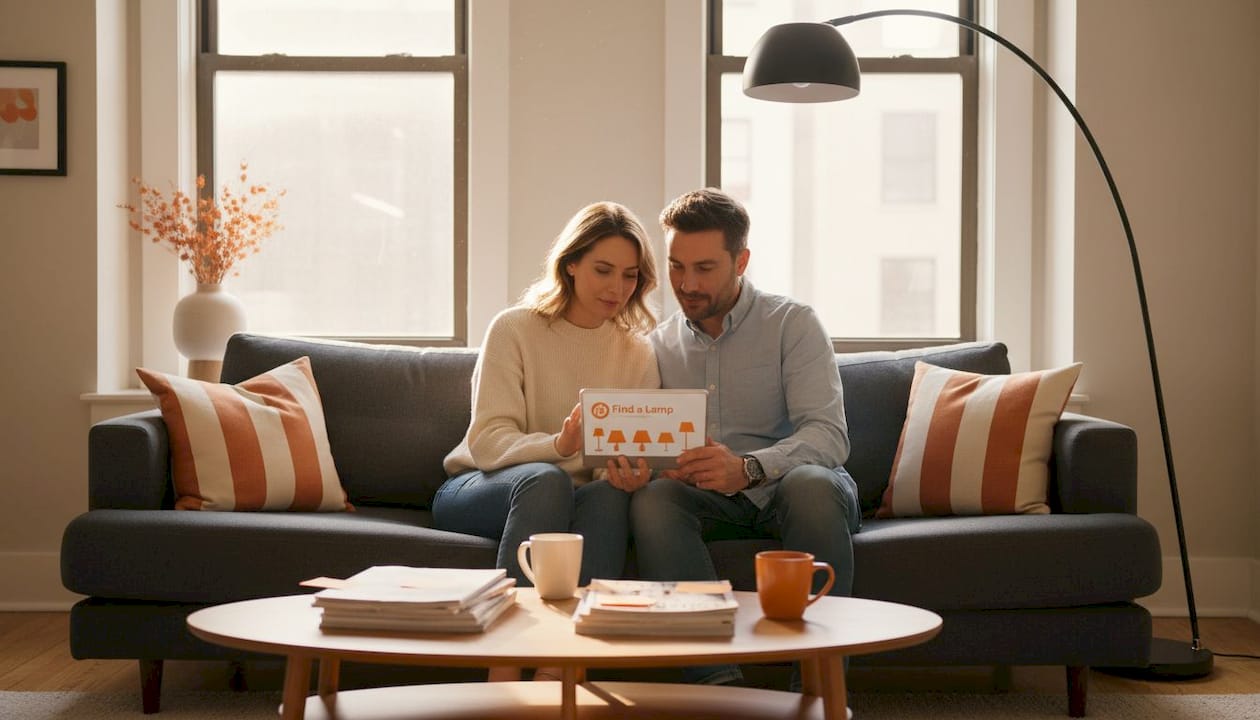
Sind Sie schon einmal in einen Raum gekommen und haben sofort ein Gefühl von Wärme, Gemütlichkeit oder lebendiger Energie verspürt? Wahrscheinlich spielte dabei eine brillante Beleuchtung die Hauptrolle. Aber mal ehrlich: Die Welt der Innenbeleuchtung zu navigieren, besonders wenn es um Stehlampen geht, kann sich anfühlen, als würde man versuchen, einen Zauberwürfel mit verbundenen Augen zu lösen. Bogenlampen, die sich dramatisch über Sofas spannen, schlanke Dreibeinlampen, die skulptural aufmerksam stehen, mehrarmige Baum-Stehlampen, die eine kuratierte Lichtverteilung über eine Leseecke bieten – das ist eine Menge zu verarbeiten.
Viele Hausbesitzer und Design-Enthusiasten fühlen sich überfordert von den Optionen, unsicher, wo sie anfangen sollen, und besorgt, die falsche Wahl zu treffen. Wird diese elegante moderne Lampe mit Ihrer gemütlichen Ästhetik kollidieren? Wird sie tatsächlich genug Licht für Ihre nächtlichen Lesestunden spenden? Wir sind hier, um diesen Nebel zu lichten. Dieser umfassende Leitfaden wird Ihnen einen klaren Rahmen an die Hand geben, um Ihre Bedürfnisse zu bewerten, die gängigsten Stehlampentypen zu verstehen und eine selbstbewusste, inspirierte Wahl zu treffen, die Ihren Raum wirklich aufwertet. Bereit, Ihre Welt zu erhellen?
Inhaltsverzeichnis
- Wie Sie die richtige Stehlampe bewerten und auswählen
- Die Stars enthüllen: Beliebte Stehlampentypen erklärt
- Kurzübersicht: Stehlampentypen im Direktvergleich
- Situation im Fokus: Die perfekte Lampe für jeden Raum
- Die Kraft der Mischung: Warum das Schichten von Stehlampenstilen alles verändert
- Finden Sie Ihren perfekten Stehlampen-Stil bei Find a Lamp
- Häufig gestellte Fragen
Wichtigste Erkenntnisse
| Punkt | Details |
|---|---|
| Raum und Bedürfnisse bewerten | Beginnen Sie mit der Bewertung Ihrer Raumgröße, der vorhandenen Beleuchtung und Ihrer Stilpräferenzen, bevor Sie eine Lampe auswählen. |
| Lampentypen verstehen | Gängige Typen wie Bogen-, Deckenfluter-, Dreibein- und Arbeitslampen eignen sich jeweils für unterschiedliche Anwendungen und Stile. |
| Vergleichstools nutzen | Eine direkte Gegenüberstellung der Funktionen hilft Ihnen, die Wahl für jeden Raum und Zweck einzugrenzen. |
| Beleuchtung für Wirkung schichten | Das Mischen mehrerer Stehlampenstile schafft eine flexible, optisch ansprechende und funktionale Beleuchtung. |
Wie Sie die richtige Stehlampe bewerten und auswählen
Bevor Sie überhaupt anfangen, wunderschöne Lampen zu durchstöbern (wir wissen, es ist verlockend!), lassen Sie uns strategisch vorgehen. Die Wahl der richtigen Lampe ist nicht nur eine stilistische, sondern auch eine funktionale Übung. Beleuchtung prägt, wie sich ein Raum Stunde für Stunde anfühlt, beeinflusst Stimmung, Produktivität und sogar, wie Ihre Einrichtung aussieht. Die falsche Wahl kann einen wunderschön eingerichteten Raum flach wirken lassen, während die richtige ihn zum Strahlen bringen kann. Hier ist ein von uns empfohlener Schritt-für-Schritt-Ansatz:
-
Bewerten Sie Ihre Raummaße: Die große Tour
Beginnen Sie mit den Grundlagen: Deckenhöhe und verfügbare Bodenfläche. Räume mit hohen Decken (ab 2,70 Meter) können hohe Deckenfluter oder dramatische Bogenlampen vertragen, ohne überladen zu wirken. Engere Räume erfordern schlankere Profile oder Lampen, die visuell „verschwinden“. Stellen Sie sich eine breite, geschwungene Bogenlampe in einem schmalen Flur vor – ein Rezept für Frustration (und Zehenstoßen!). Messen Sie zweimal, stöbern Sie einmal! -
Definieren Sie den primären Beleuchtungszweck: Was ist die Aufgabe?
Lichtdesigner kategorisieren Licht typischerweise in vier Rollen. Welche Rolle wird Ihre neue Stehlampe spielen?- Grundbeleuchtung: Allgemeine Helligkeit für den Raum. Denken Sie an allgemeine Beleuchtung, die einen einladenden Glanz erzeugt.
- Arbeitsbeleuchtung: Fokussiertes Licht für bestimmte Aktivitäten wie Lesen, Basteln oder Arbeiten. Hier geht es um Funktionalität!
- Akzentbeleuchtung: Hervorhebung spezifischer Merkmale, Kunstwerke oder architektonischer Details, um Drama und Interesse zu erzeugen.
- Dekorative Beleuchtung: Die Lampe selbst ist ein Kunstwerk und trägt zur Ästhetik des Raumes bei, auch wenn sie ausgeschaltet ist.
Eine Stehlampe, die Sie für nächtliche Lesestunden verwenden möchten, hat ganz andere Spezifikationen als eine, die Sie in eine Ecke stellen, um bei Dinnerpartys Wärme zu spenden.
-
Abstimmung mit Ihrem bestehenden Einrichtungsstil: Sprechen Sie dieselbe Sprache
Ihre Lampe sollte sich wie eine natürliche Erweiterung der Persönlichkeit Ihres Zimmers anfühlen. Eine Bogenlampe aus gebürstetem Messing in einem Raum voller Industriestahl und Altholz schafft einen interessanten Kontrast; dieselbe Lampe in einem hyper-traditionellen viktorianischen Salon könnte fehl am Platz wirken. Berücksichtigen Sie die Gesamtpalette Ihres Zimmers, die Materialsprache (Holz, Metall, Glas, Stoff) und das stilistische Vokabular (modern, Landhaus, Bohemian, minimalistisch), bevor Sie sich für ein Finish oder eine Silhouette entscheiden. Für Inspirationen, wie sich verschiedene Stile integrieren lassen, schauen Sie sich Ressourcen wie den Leitfaden von Architectural Digest zu Wohnzimmer-Beleuchtungsideen an. -
Ästhetik und praktische Merkmale in Einklang bringen: Die Details
Dimmbarkeit, Kabelführung, Leuchtmitteltyp (LED versus Glühlampe), Schirmmaterial – diese Details sind wichtiger, als die meisten Leute erwarten, bevor sie tatsächlich mit einer Lampe leben. Ein durchscheinender Stoffschirm streut das Licht wunderschön, kann aber nach einem Jahr Staubansammlung schmuddelig aussehen. Ein Metallschirm lenkt das Licht präzise, kann aber bei falscher Ausrichtung harte Schatten erzeugen. Berücksichtigen Sie auch intelligente Funktionen wie eingebaute USB-Anschlüsse oder Fernbedienungen. -
Durchdachte Lampenplatzierungsstrategien: Die Kunst der Positionierung
Wo die Lampe physisch im Raum steht, beeinflusst alles, vom Verkehrsfluss bis zur Lichtqualität in Lesedistanz. Intelligente Lampenplatzierungsstrategien berücksichtigen die Möbelanordnung, die Fensterplatzierung und die Art und Weise, wie sich das natürliche Licht im Laufe des Tages ändert. Stellen Sie sie nicht einfach irgendwo hin; stellen Sie sich ihren Zweck und ihren Weg vor.
Profi-Tipp: Beginnen Sie mit einer herausragenden Statement-Lampe und schichten Sie dann zusätzliche Lichtquellen darum herum. Eine einzelne starke Leuchte verankert den Raum visuell und gibt Ihnen etwas, worauf Sie aufbauen können – anstatt zu versuchen, jede Lichtquelle gleichzeitig zu planen und am Ende ein flaches, gleichmäßiges Ergebnis zu erzielen.
Die Stars enthüllen: Beliebte Stehlampentypen erklärt
Mit Ihren Auswahlkriterien fest im Blick, lassen Sie uns die einzigartigen Vorteile verschiedener Stehlampentypen erkunden. Bogen-, Deckenfluter-, Dreibein-, Arbeits- und mehrarmige Stehlampen gehören zu den beliebtesten Stilen in modernen Interieurs, und jede bietet ein wirklich anderes Lichterlebnis.
Bogenlampen: Das dramatische Statement-Stück
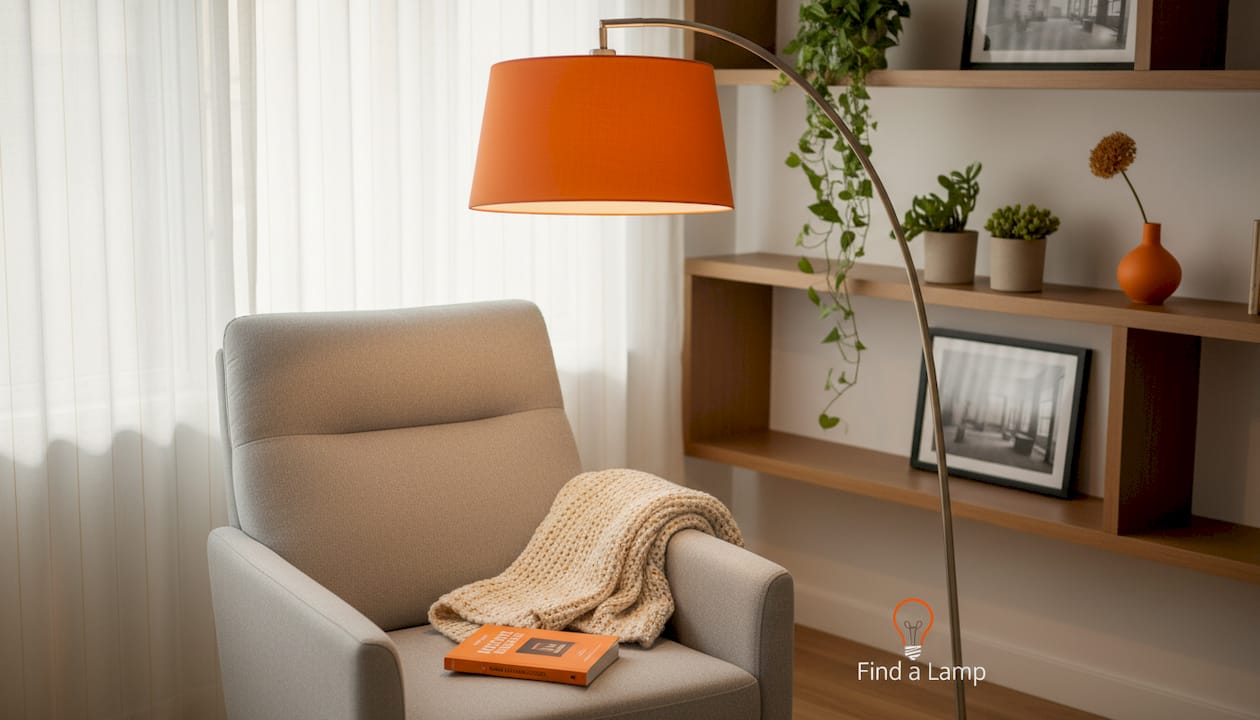
Bogenlampen sind vielleicht die filmischsten unter ihnen. Ihre langen, geschwungenen Arme erstrecken sich nach außen und unten und positionieren den Schirm direkt über einem Sofa, Bett oder Lesesessel. Das macht sie außergewöhnlich für Arbeits- und Grundbeleuchtung in Wohnzimmern oder als schicke Alternative am Bett. Eine gut positionierte Bogenlampe kann die Notwendigkeit einer Beistelltischlampe vollständig eliminieren und wertvolle Ablagefläche freigeben. Achten Sie auf Modelle mit gewichteten Marmor- oder Steinfüßen, die den Arm ausbalancieren und die Leuchte stabil halten. Entdecken Sie moderne goldene Stehlampen, wenn Sie eine Bogenlampe suchen, die als Schmuckstück für Ihr Wohnzimmer dient.
Deckenfluter: Der nach oben strahlende Lichtspender
Deckenfluter richten das Licht nach oben, reflektieren es von der Decke und verteilen es sanft im ganzen Raum. Der Effekt ist warm, gleichmäßig und immersiv – fast wie Tageslicht, das durch einen Leinenrollo gefiltert wird. Sie sind ideal, wenn Deckenleuchten zu grell sind oder wenn Sie eine diffuse Helligkeit hinzufügen möchten, ohne Blendung zu erzeugen. In Schlafzimmern schaffen Deckenfluter jene seltene Lichtqualität, die jede Oberfläche optimal zur Geltung bringt. Sie sind Meister darin, eine gemütliche, einladende Atmosphäre zu schaffen.
Dreibeinlampen: Das skulpturale Arbeitstier
Dreibeinlampen sind die skulpturalen Arbeitstiere des zeitgenössischen Designs. Drei abgewinkelte Beine tragen eine zentrale Säule und einen Schirm und schaffen eine Silhouette, die ebenso sehr als Möbelstück wie als Beleuchtung wahrgenommen wird. Sie verleihen minimalistischen und skandinavisch inspirierten Räumen Tiefe und visuelles Interesse, und ihr stabiler Stand bedeutet, dass sie in offenen Grundrissen selbstbewusst stehen können, ohne wackelig auszusehen. Kombinieren Sie ein Dreibein mit einem Leinendrum-Schirm für einen sauberen, galerieähnlichen Look. Weitere Informationen dazu, wie Beleuchtung die Ästhetik eines Raumes beeinflusst, finden Sie bei Designexperten wie denen von Elle Decor.
Arbeits- & Lesestehlampen: Der fokussierte Illuminator
Diese Lampen verfügen über verstellbare Köpfe, ausziehbare Arme oder Schwenkmechanismen, mit denen Sie das Licht genau dorthin lenken können, wo es benötigt wird. Sie sind unverzichtbar für Home-Offices, Leseecken und Bastelräume. Achten Sie auf Modelle mit LED-Warm-Dimm-Funktion, die es Ihnen ermöglicht, die Farbtemperatur von einem fokussierten, belebenden Kaltweiß zu einem entspannten warmen Amber zu verschieben, wenn der Abend fortschreitet. Präzision und Anpassungsfähigkeit sind ihre Superkräfte.
Mehrarmige Stehlampen (Baum-Stehlampen): Der vielseitige Multitasker
Mehrarmige Stehlampen (manchmal auch Baum-Stehlampen genannt) verzweigen sich von einer zentralen Stange und bieten zwei, drei oder sogar fünf individuell verstellbare Schirme. Sie funktionieren fast wie ein kleiner Kronleuchter auf Bodenniveau und bieten gleichzeitig gerichtete Abdeckung über mehrere Zonen. Sie sind besonders effektiv in Wohnzimmern, wo Sie Licht über einem Sofa, zu einem Bücherregal und über einem Couchtisch gleichzeitig benötigen. Sie sind die ultimative flexible Beleuchtungslösung.
Entdecken Sie Wohnzimmer-Stehlampen, um zu sehen, wie all diese Lampentypen in echten, kuratierten Kollektionen umgesetzt werden.
Profi-Tipp: Vergessen Sie nicht die Wahl des Leuchtmittels! Der Typ des Leuchtmittels (LED, Glühlampe, Leuchtstofflampe), seine Wattzahl und seine Farbtemperatur (gemessen in Kelvin) beeinflussen die Lichtqualität erheblich. Ein warmes Weiß (2700K-3000K) ist im Allgemeinen am besten geeignet, um eine gemütliche, einladende Atmosphäre zu schaffen, während kühlere Temperaturen (3500K-5000K) besser für Arbeitsbeleuchtung und Konzentration sind.
Kurzübersicht: Stehlampentypen im Direktvergleich
Um diese Merkmale klar zu erkennen, konsultieren Sie diesen praktischen Vergleich, um die Unterschiede auf einen Blick zu erfassen. Eine direkte Gegenüberstellung der Funktionen hilft, die beste Passform für jeden Raum und Zweck zu klären. Verwenden Sie die folgende Tabelle als schnelle Referenz, besonders wenn Sie sich zwischen zwei oder drei Finalisten entscheiden.
| Lampentyp | Typische Höhe | Bodenfläche | Lichtrichtung | Einstellbarkeit | Beste(r) Raum/Räume | Passender Einrichtungsstil |
|---|---|---|---|---|---|---|
| Bogenlampe | 178–203 cm | Mittel (breiter Fuß) | Nach unten/fokussiert | Gering bis mittel (Arm schwenkbar) | Wohnzimmer, Schlafzimmer, Essbereich | Modern, Glamour, Eklektisch, Mid-Century |
| Deckenfluter | 152–183 cm | Klein | Nach oben/diffus | Gering (manche haben Dimmer) | Wohnzimmer, Schlafzimmer, Eingangsbereich | Traditionell, Übergangszeit, Klassisch, Minimalistisch |
| Dreibeinlampe | 147–165 cm | Mittel (drei Beine) | Nach unten/fokussiert (allgemein) | Gering (fester Schirm) | Wohnzimmer, Arbeitszimmer, großes Schlafzimmer | Zeitgenössisch, Skandinavisch, Industriell, Modern |
| Arbeits-/Leselampe | 122–165 cm | Klein bis mittel | Gerichtet/fokussiert | Hoch (Gelenkarm, schwenkbarer Kopf) | Büro, Leseecke, Bastelzimmer, Nachttisch | Beliebig (abhängig vom Design) |
| Mehrarmige Lampe | 152–178 cm | Klein (einzelner Fuß) | Multi-direktional/fokussiert | Hoch (individuelle Armverstellung) | Wohnzimmer, Studio, offene Räume | Modern, Eklektisch, Übergangszeit |
Das Verständnis dieser Unterschiede ermöglicht es Ihnen, Kandidaten schnell zu filtern. Wenn Ihr Home-Office nur begrenzten Platz bietet, Sie aber Flexibilität bei der Beleuchtungsplatzierung benötigen, gewinnt eine Arbeitslampe mit geringem Platzbedarf jedes Mal gegenüber einer Bogenlampe. Wenn Ihr Schlafzimmer eine warme, umhüllende Atmosphäre statt fokussiertem Licht benötigt, ist ein Deckenfluter der offensichtliche Favorit.
Situation im Fokus: Die perfekte Lampe für jeden Raum
Sobald Sie die Vergleiche verstanden haben, sind Sie bereit für praktische Zuordnungen – hier ist, was in jeder Umgebung am besten funktioniert. Verschiedene Lampentypen eignen sich am besten für Wohnzimmer, Schlafzimmer und Büros, wenn sie auf die funktionalen Bedürfnisse des Raumes zugeschnitten sind, und die richtige Kombination kann das Gefühl und die Funktion eines Raumes wirklich verändern.
-
Wohnzimmer: Der soziale Mittelpunkt
Wohnzimmer sind die toleranteste Arena für Stehlampen und profitieren oft von einer Mischung. Hier können Sie mutig sein! Bogenlampen sorgen für Dramatik und dienen direkt dem Sitzbereich. Dreibeinlampen verankern Ecken mit skulpturaler Präsenz und sorgen für allgemeines Umgebungslicht. Mehrarmige Lampen verteilen das Licht über mehrere Zonen, was besonders in offenen Grundrissen nützlich ist. Stöbern Sie in traditioneller Wohnzimmerbeleuchtung, wenn Ihr Raum zu warmen, klassischen Oberflächen und geschichteten Textilien neigt. -
Schlafzimmer: Das Refugium
Schlafzimmer erfordern weichere, diffusere Lichtquellen, die Entspannung fördern. Deckenfluter erzeugen jene allumfassende Wärme, die eine bloße Deckenbirne niemals erreichen kann, perfekt zum Entspannen. Schlanke Arbeitslampen auf der Leseseite des Bettes spenden fokussiertes Licht für Bücher oder Tablets, ohne einen schlafenden Partner zu stören. Achten Sie auf Leuchten mit Dimmerfunktion, damit Sie die Intensität an Ihren Abendablauf anpassen können. -
Home-Offices: Die Produktivitätszone
Home-Offices sind wahrscheinlich die anspruchsvollste Umgebung für Stehlampen. Fokussierte Bürobeleuchtungsentscheidungen wirken sich direkt auf Produktivität, Augenbelastung und das Aussehen Ihrer Videoanrufe aus. Verstellbare Arbeitslampen und Gelenk-Leselampen ermöglichen es Ihnen, das Licht auf Ihren Arbeitsbereich zu lenken, während Blendung vom Monitor ferngehalten wird. Eck-Stehlampen mit mehreren verstellbaren Köpfen bieten Ihnen sowohl Umgebungslicht als auch aufgabenbezogene Reichweite. Für Anleitungen zur Schaffung eines ergonomischen Arbeitsplatzes bieten Ressourcen wie EHS Today wertvolle Einblicke in ergonomische Beleuchtung. -
Esszimmer: Der Versammlungsraum
Obwohl oft von Deckenleuchten dominiert, kann eine gut platzierte Stehlampe das Esserlebnis verbessern. Ein schlanker Deckenfluter in einer Ecke kann eine Umgebungslichtwärme hinzufügen, die einen Kronleuchter ergänzt, während eine dramatische Bogenlampe sich über ein Buffet oder einen Barbereich erstrecken und sowohl Licht als auch einen Hauch von modernem Flair hinzufügen kann. -
Eingangsbereiche & Flure: Der erste Eindruck
Diese Bereiche werden bei der Planung von Stehlampen oft vernachlässigt, aber eine gut gewählte schlanke Stehlampe im Eingangsbereich kann den gesamten Ton für das Interieur Ihres Hauses bestimmen. Mehrflammige Stehlampen, die den Blick nach oben lenken, wirken wunderschön in höheren Eingangsbereichen, während schmale Modelle mit einem einzigen Schirm ideal für enge Korridore sind, wo jeder Zentimeter zählt, und einen einladenden Glanz spenden. -
Leseecken & gemütliche Ecken: Der persönliche Rückzugsort
Dies ist der natürliche Lebensraum der Arbeitslampe. Ein verstellbarer Arm, ein Schirm, der das Licht nach unten fokussiert, und eine Glühbirne mit warmer Farbtemperatur (2700K bis 3000K) – das ist das Rezept für eine Leseecke, in der Sie tatsächlich Zeit verbringen möchten.
„Positionieren Sie Leselampen immer so, dass die Lichtquelle über die Schulter fällt, die der Seite am nächsten ist, wobei der untere Rand des Schirms im Sitzen etwa auf Augenhöhe sein sollte. Dies minimiert Blendung und maximiert die Beleuchtung genau dort, wo Sie sie benötigen.“
Die Kraft der Mischung: Warum das Schichten von Stehlampenstilen alles verändert
Die meisten Designleitfäden konzentrieren sich darauf, einen einzelnen Lampentyp an den Stil eines Raumes anzupassen und es dabei zu belassen. Wir denken, das ist eine Vereinfachung, die viel an Lichtqualität ungenutzt lässt. Echte Räume profitieren von einer Vielfalt an Lichtquellen, und die am schönsten beleuchteten Räume, denen wir begegnen, beinhalten immer mehrere Typen, die im Einklang arbeiten.
Bedenken Sie, was passiert, wenn Sie nur einen Deckenfluter in ein Wohnzimmer stellen. Das diffuse Deckenlicht ist schön, aber es gibt keinen Fokuspunkt, keine Gerichtetheit, keine Dramatik. Der Raum wirkt gleichmäßig beleuchtet, was paradoxerweise flach wirkt. Fügen Sie nun eine Bogenlampe über dem Sofa und eine schlanke Dreibeinlampe in der hinteren Ecke hinzu. Plötzlich hat der Raum Tiefe, Hierarchie und das Gefühl, dass Licht etwas Absichtliches und nicht Zufälliges ist. Dieser Schichtungsansatz ist ein Kennzeichen anspruchsvoller Innenarchitektur, wie verschiedene Designpublikationen, einschließlich My Modern Met's Überblick über Beleuchtungsdesigntipps, hervorheben.
Die Insider-Strategie, zu der wir immer wieder zurückkehren, ist das Schichten von Lichtquellen in verschiedenen Höhen. Von der Decke reflektiertes Licht eines Deckenfluters arbeitet auf einer Ebene. Eine Bogenlampe wirkt auf mittlerer bis niedriger Höhe über einem Sitzbereich. Eine Tischlampe oder eine niedrig platzierte Akzentlampe fügt eine weitere Schicht nahe der Oberfläche hinzu. Zusammen erzeugen diese Schichten eine Atmosphäre, die sich natürlich mit dem Tageslicht draußen verändert und schön bleibt, egal ob es ein heller Nachmittag oder ein Abend bei Kerzenschein ist.
Es gibt auch einen Designvorteil, der über die reine Beleuchtungsfunktion hinausgeht. Die Kombination einer skulpturalen Dreibeinlampe mit einer eleganten Bogenlampe und einem vintage-inspirierten Deckenfluter verleiht einem Raum auf die bestmögliche Weise visuelle Spannung. Es sagt aus, dass der Raum organisch gewachsen ist, anstatt an einem einzigen Nachmittag gestylt zu werden. Künstlerische Tischlampen aus Kollektionen wie künstlerische Tischlampen können eine Oberflächenzone verankern und Ihre Stehlampenanordnung ergänzen, wodurch ein vollständiges Lichtökosystem entsteht, das den Raum bewohnt, als hätte es schon immer dazugehört.
Der Mythos „ein Stil passt für alle“ ist es wert, endgültig in den Ruhestand geschickt zu werden. Ihr Zuhause ist keine Katalogseite; es ist ein Lebensraum mit sich entwickelnden Bedürfnissen, wechselndem natürlichem Licht und mehreren Bewohnern, die jeden Raum anders nutzen. Beleuchtung, die sich an all diese Vielfalt anpasst, muss selbst vielfältig sein.
Finden Sie Ihren perfekten Stehlampen-Stil bei Find a Lamp
Bereit, Ihre neue Lieblings-Stehlampe zu finden? Unsere Plattform wurde genau für diesen Moment geschaffen – wenn Sie wissen, was Sie brauchen, aber Expertenrat wünschen, um schneller und selbstbewusster dorthin zu gelangen.

Bei Find a Lamp analysiert unsere KI-gestützte Empfehlungsmaschine den Stil, das Layout und die Beleuchtungsbedürfnisse Ihres Raumes anhand der von Ihnen hochgeladenen Fotos und schlägt dann kuratierte Produktvorschläge vor, die tatsächlich zu Ihrem Raum passen. Ob Sie sich zur kühnen Geometrie der industriellen Wohnzimmerbeleuchtung oder zur anmutigen Wärme der traditionellen Wohnzimmerbeleuchtung hingezogen fühlen, unser Katalog umfasst jede Ästhetik, jedes Finish und jede Funktion. Sie können auch unser visuelles Suchwerkzeug verwenden, um ein Bild einer Lampe hochzuladen, die Sie lieben, und sofort ähnliche Optionen zu finden. Besser noch, unsere virtuelle Visualisierungsfunktion lässt Sie genau sehen, wie eine Lampe in Ihrem tatsächlichen Raum aussehen wird, bevor Sie sich festlegen – kein Rätselraten, keine Rücksendungen, kein Zweifeln. Lassen Sie uns Ihnen helfen, Ihr Zuhause schön, intelligent und mühelos zu beleuchten.
Häufig gestellte Fragen
Welcher Stehlampentyp ist am besten zum Lesen geeignet?
Arbeits-Stehlampen werden aufgrund ihres fokussierten, gerichteten Lichts und ihrer verstellbaren Funktionen dringend zum Lesen empfohlen. Achten Sie auf Modelle mit