Types of Interior Lighting: Perfect Ambience for Every Room
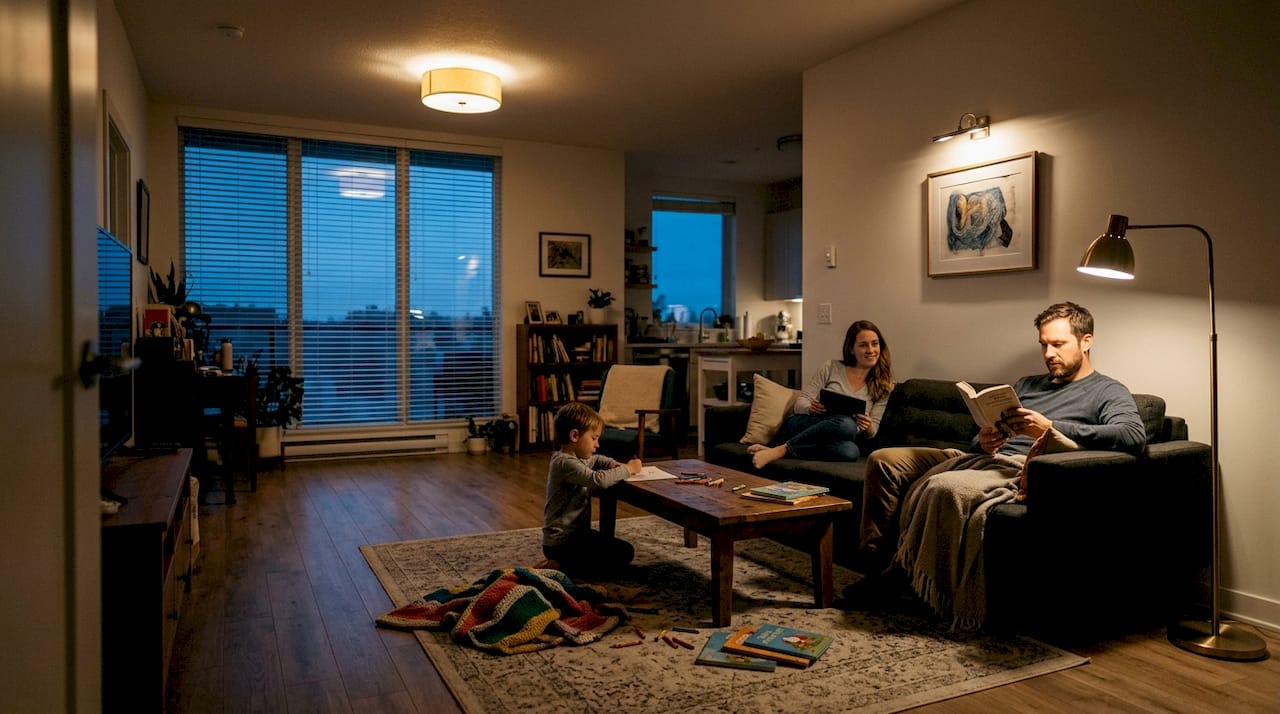
Choosing the right lighting for your home can feel overwhelming. You walk into a lighting showroom, and suddenly you're bombarded with hundreds of options – pendants, recessed lights, sconces, table lamps, a dizzying array of color temperatures, wattages, and dimmer switches. It's enough to make anyone freeze! The good news is that interior lighting follows a logical structure. Once you understand the core principles, every decision becomes easier and even...fun! This guide walks you through the fundamental lighting types, how to layer them effectively, which fixtures are best for specific jobs, and how AI-powered tools can help you personalize every room without the guesswork. Let's illuminate your understanding of interior lighting!
Table of Contents
- Understanding the Main Types of Interior Lighting
- How Light Layering Transforms Your Space
- Comparing Common Lighting Fixtures by Purpose and Effect
- Smart Lighting and AI-Driven Lamp Recommendations
- Our Take: Balancing Art, Science, and Personality in Lighting Design
- Bring Your Vision to Life with Personalized Lamp Recommendations
- Frequently Asked Questions
Key Takeaways
| Point | Details |
|---|---|
| Layer Lighting Types | Mixing ambient, task, accent, and decorative lights gives you both functional illumination and mood flexibility in every room. |
| Embrace Smart Fixtures | Smart and AI-driven lighting helps personalize your space, optimizes energy use, and simplifies control. |
| Choose Quality LEDs | Select high-CRI, warm-white LED fixtures for vibrant colors, accurate rendering, and lower energy bills. |
| Consider Purpose and Personality | Match fixture choices to each room’s function while injecting your own personal style and preferences. |
Understanding the Main Types of Interior Lighting
Every well-lit room is built on a foundation of four distinct lighting types, each playing a specific role. Think of them as members of a lighting orchestra, each contributing to the overall harmony. Understanding their individual contributions will transform how you think about lighting – no longer just decoration, but a crucial element of design.
Ambient Lighting: The Foundation
Ambient lighting is your base layer. It provides general illumination, filling the room with a comfortable glow, minimizing harsh shadows, and making the space feel inviting. Think of it as the foundation upon which all other lighting is built. Without sufficient ambient lighting, the other lighting elements in the room will feel disconnected and ineffective.
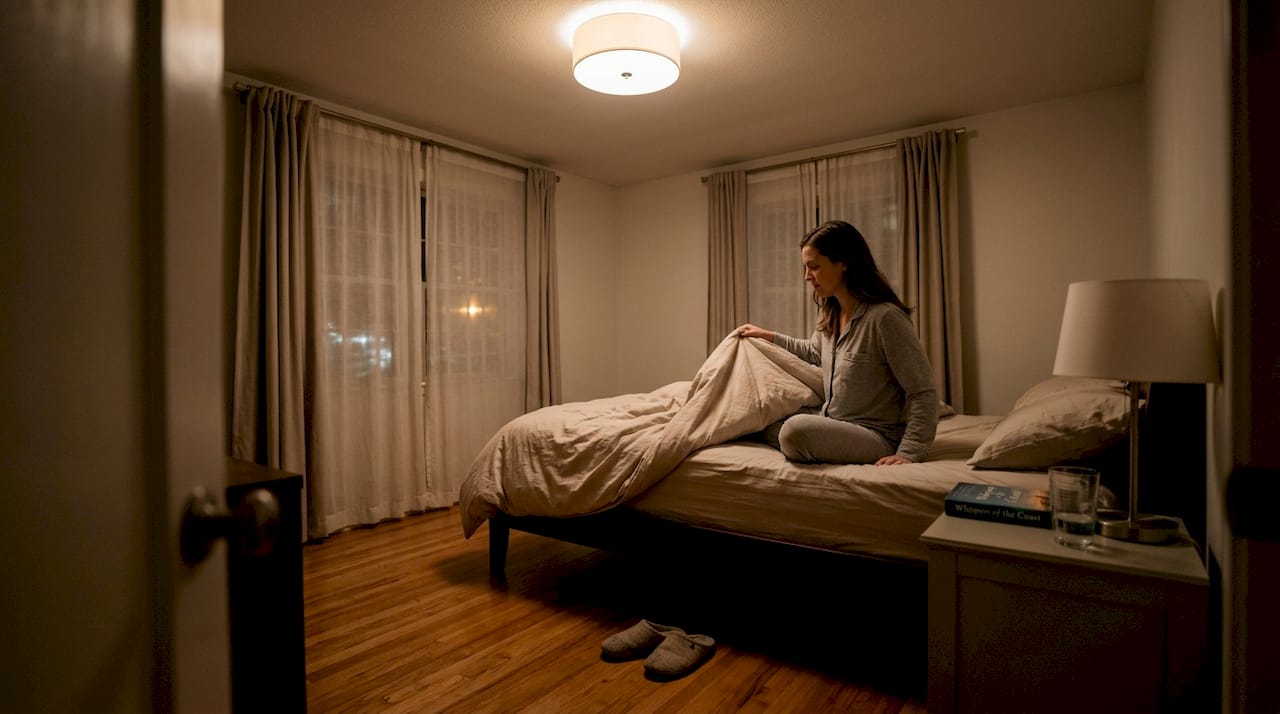
Common sources of ambient lighting include:
- Ceiling-mounted fixtures: These are a classic choice, providing broad, even illumination.
- Recessed lights: Offering a clean and modern look, recessed lights distribute light evenly across the room.
- Chandeliers: These statement pieces can provide both ambient light and a touch of elegance.
- Floor lamps (with upward-facing shades): These can bounce light off the ceiling, creating a soft, diffused glow.
Task Lighting: Focused Illumination
Task lighting is precisely what it sounds like: light designed for specific activities. It's about providing bright, focused light where you need it most, reducing eye strain and improving visibility. Think of reading lamps beside a sofa, under-cabinet lights in the kitchen, or a desk lamp in your home office.
Key characteristics of effective task lighting:
- Brightness: Task lights need to be bright enough to illuminate the work area adequately.
- Focus: The light should be directed specifically at the task at hand, minimizing glare and shadows.
- Positioning: Proper positioning is crucial to prevent eye strain and ensure optimal visibility.
Examples of task lighting fixtures:
- Desk lamps: Essential for home offices and study areas.
- Under-cabinet lights: Perfect for illuminating kitchen countertops.
- Reading lamps: Ideal for bedside tables or reading nooks.
- Floor lamps (with adjustable arms): Versatile for providing task lighting in various locations.
Accent Lighting: Creating Drama and Highlighting Features
Accent lighting is all about creating visual interest and highlighting specific features in your room. It’s typically three times brighter than ambient light and is used to spotlight artwork, architectural details, or decorative objects. Think of it as the "wow" factor in your lighting scheme.
Characteristics of effective accent lighting:
- Directionality: Accent lights need to be highly directional to focus attention on the desired feature.
- Brightness: They should be noticeably brighter than the surrounding ambient light to create a sense of drama.
- Placement: Careful placement is essential to avoid glare and ensure the highlighted feature is properly illuminated.
Common types of accent lighting:
- Track lights: Highly adjustable and versatile for highlighting multiple features.
- Adjustable wall sconces: Ideal for accentuating artwork or architectural details.
- Picture lights: Specifically designed to illuminate paintings and photographs.
- Spotlights: Used to create dramatic highlights on specific objects or areas.
Decorative Lighting: Adding Personality and Style
Decorative lighting is the personality layer. It’s about adding visual interest and style to your room, often taking the form of statement pieces that contribute primarily to the aesthetic character of the space, rather than raw illumination. It's the difference between a room that's simply lit and a room that has character and reflects your unique taste.
Examples of decorative lighting:
- Statement pendant lamps: Eye-catching focal points that add personality to a room.
- Sculptural floor lamps: Artistic pieces that combine form and function.
- Unique table lamps: Decorative accents that add a touch of whimsy or elegance.
- String lights: Used to create a festive or romantic atmosphere.
Quick Reference Guide: Lighting Types and Their Functions
| Lighting Type | Primary Purpose | Common Fixtures |
|---|---|---|
| Ambient | General Illumination | Ceiling Mounts, Recessed Lights, Chandeliers |
| Task | Activity-Specific Focus | Desk Lamps, Under-Cabinet Strips, Reading Lamps |
| Accent | Highlighting Features | Track Lights, Adjustable Sconces, Picture Lights |
| Decorative | Aesthetic Statement | Pendants, Sculptural Floor Lamps, Unique Table Lamps |
Beyond Fixture Type: Color Temperature and CRI
Beyond the type of fixture, two other factors play a crucial role in shaping the mood and appearance of your room: color temperature and Color Rendering Index (CRI).
- Color Temperature: Measured in Kelvin (K), color temperature refers to the warmth or coolness of the light emitted by a bulb. Warmer tones (2700-3000K) create a cozy and relaxed atmosphere, ideal for living spaces and bedrooms. Cooler tones (4000K and above) are better suited for workspaces or bathrooms where clarity and focus are important.
- Color Rendering Index (CRI): CRI measures how accurately a light source renders colors compared to natural sunlight. A CRI above 80 is generally recommended, as it ensures that colors in your room look accurate and true to life. This is particularly important in spaces where you apply makeup, cook, or appreciate art.
For a broader reference on professional lighting standards, the Lighting Library standards from the Illuminating Engineering Society covers how these measurements translate into real-world design decisions.
“Layering all types of lighting with dimmers enables mood flexibility, and a high CRI above 80 ensures color accuracy throughout the home.”
A well-designed room utilizes all four lighting types in harmony. Our guide to layered lighting provides a more in-depth look at how to plan your lighting scheme for different rooms and styles.
How Light Layering Transforms Your Space
Understanding the four types of lighting is the first step. The real magic happens when you learn how to combine them effectively. This is where your design skills truly shine!
Lighting designers often use a structured approach called the LiDOs procedure (Lighting Design Objectives) to plan how light behaves across a space before selecting any fixtures. This method centers around three physical principles: Direct Flux Distribution (DFD), First Reflected Flux (FRF), and Indirect Flux Field (IFF).
In simpler terms:
- Direct Flux Distribution (DFD): The light that travels directly from a fixture to a surface.
- First Reflected Flux (FRF): The light that bounces off walls and ceilings in the initial reflection.
- Indirect Flux Field (IFF): The ambient glow that fills the room as a result of all the combined reflections.
According to the LiDOs procedure, balancing these three elements is crucial to avoid common lighting pitfalls such as flat, lifeless rooms and uncomfortable glare.
A Practical Step-by-Step Approach to Light Layering:
- Start with Ambient Lighting: Begin by establishing your base level of illumination. Determine the placement of ceiling fixtures or recessed lights to ensure even coverage throughout the room.
- Add Task Zones: Identify all areas where specific activities will take place, such as a reading chair, kitchen counter, or work desk. Position dedicated task lights in each of these areas.
- Layer in Accent Lighting: Choose two or three features in the room that you want to highlight, such as a piece of art, an architectural niche, or a textured wall.
- Include a Decorative Element: Select one or two fixtures that contribute more to the style and visual appeal of the room than to the overall light output.
- Install Dimmers: This single step provides more flexibility and control over your lighting than any other design choice.
Pro Tip: Dimmers not only set the mood but also reduce energy consumption and extend the lifespan of your bulbs. A room wired with dimmers on every circuit can be transformed from a bright and energizing space for morning coffee to a warm and inviting setting for a dinner party.
Effective light layering also involves considering the reflective properties of the surfaces in your room. Light-colored walls and ceilings will amplify the IFF effect, making the room feel brighter without the need for additional fixtures. Darker rooms, on the other hand, absorb more light and require stronger DFD sources to compensate.
For room-specific guidance, our room-by-room lighting guide breaks down how layering strategies vary between bedrooms, kitchens, bathrooms, and living spaces. The goals and optimal fixture combinations will change depending on the specific room and its intended use.
The key takeaway: don’t design one layer at a time. Consider all four types of lighting from the outset, and your rooms will feel more balanced, more interesting, and far more functional.
Comparing Common Lighting Fixtures by Purpose and Effect
To effectively put light layering into practice, it's helpful to understand the strengths and weaknesses of each fixture type. Not every fixture is suitable for every role.
| Fixture Type | Best Role | Strengths | Trade-offs |
|---|---|---|---|
| Recessed Lights | Ambient | Clean Look, Even Spread | Can Feel Flat Without Layering |
| Track Lighting | Accent / Task | Adjustable, Flexible | Visible Hardware, Industrial Look |
| Pendant Lamps | Decorative / Task | Strong Visual Statement | Limited Coverage Area |
| Table / Desk Lamps | Task / Decorative | Portable, Targeted | Needs Surface Space |
| Wall Sconces | Accent / Ambient | Space-Saving, Layered Glow | Fixed Position |
Recessed lights are the workhorses of ambient lighting. They seamlessly blend into the ceiling and distribute light evenly, making them an excellent choice as a base layer in living rooms, kitchens, and hallways. Explore common recessed lighting styles to understand the differences between gimbal, baffle, and reflector trims before making a decision.
Track lighting truly shines (pun intended!) in accent roles. You can independently adjust each head to direct light onto artwork or bookshelves, and you can easily add or remove heads as your room evolves. The trade-off is the visual presence of the hardware; tracks are visible and contribute an industrial aesthetic, whether you desire it or not.
Pendant lamps are most effective above dining tables, kitchen islands, or reading nooks, where both function and visual impact are needed. A single pendant over a table provides layered ambient and task light while also serving as a design statement.
Pro Tip: When selecting any fixture that uses bulbs, prioritize LEDs with a CRI above 90 for living and dining spaces. The visual difference in how your furniture, art, and food look under high-CRI lighting is genuinely striking.
Practical Considerations Worth Noting:
- Scale Matters: A pendant that appears proportional in a showroom may feel too small in a room with high ceilings.
- Switch Plates and Dimmers: Confirm that fixtures are dimmable before purchasing, not after.
- Layering is Not About More Fixtures: One excellent pendant paired with thoughtful recessed placement will outperform six mediocre fixtures competing with each other.
For specific ideas by room, our living room lighting tips provide guidance on how fixture combinations shift depending on the room’s primary use and layout.
Smart Lighting and AI-Driven Lamp Recommendations
Beyond selecting individual fixtures, technology now offers surprisingly simple ways to customize your home's lighting.
Smart lighting systems allow you to control color temperature, brightness, and even light color through a smartphone app or voice command. You can seamlessly transition from a warm 3000K setting during dinner to a cooler 4000K tone for late-night reading, all without changing a bulb. Scenes can be saved and automatically triggered based on the time of day or your routine.
AI-driven platforms take this customization a step further by eliminating the guesswork from the selection process itself. Instead of manually comparing hundreds of fixtures, you can upload a photo of your room, and the AI will assess your style, layout, and existing color palette to recommend lamps that are a perfect fit. Visual search tools even allow you to upload an image of a lamp you love and instantly find similar options within a curated catalog.
Key Benefits of Smart and AI-Driven Lighting Tools:
- Personalization at Scale: Recommendations are tailored to