Lys Upp Din Påverkan: Den Ultimata Guiden till Kontorsbelysning för Produktivitet & Stil
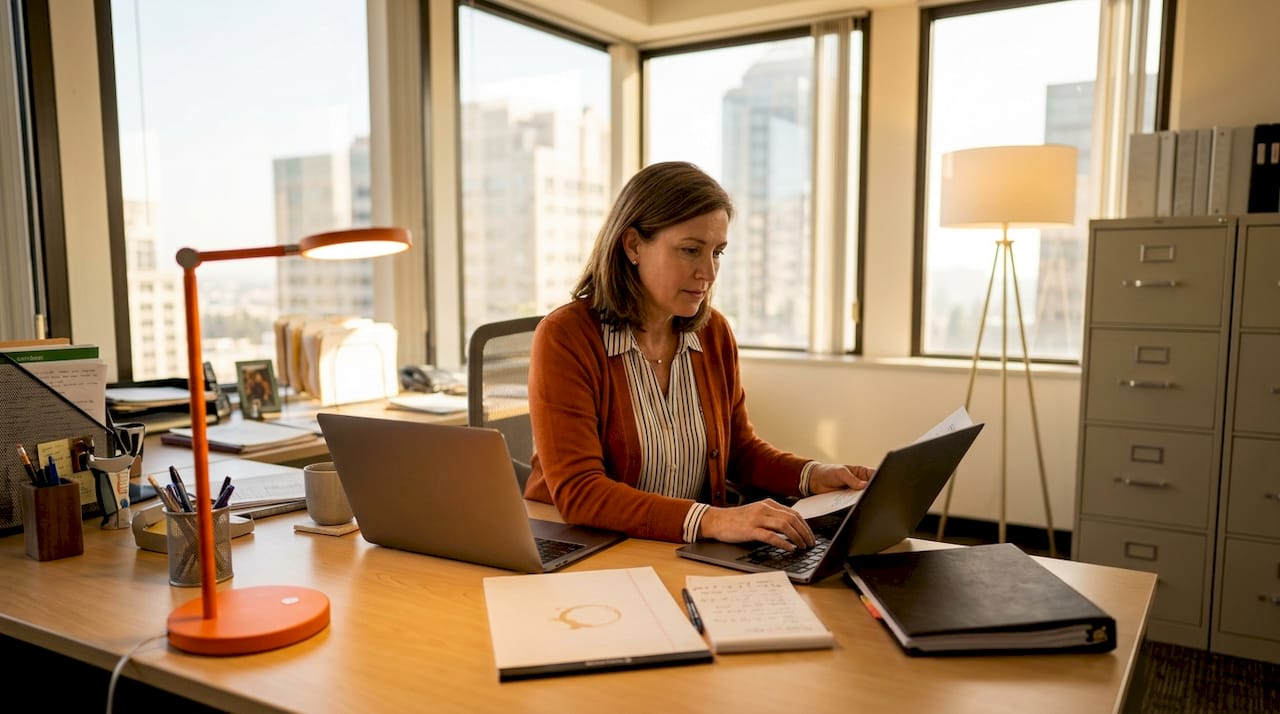
Har du någon gång klivit in på ett kontor som bara kändes… fel? Dimmigt, tråkigt, eller kanske för ljust och sterilt? Den skyldige är ofta belysningen. Dålig kontorsbelysning är en av de osynliga produktivitetsmördarna som sällan hamnar på någons förbättringslista. Ändå formar kvaliteten, färgen och placeringen av lamporna runt dig djupt ditt fokus, ditt humör och till och med hur din arbetsplats uppfattas av kunder och kollegor. Det handlar inte bara om att se; det handlar om att känna, prestera och trivas.
Studier visar konsekvent att optimerad belysning kan öka produktiviteten med cirka 2%, där armaturer som efterliknar dagsljus visar sig vara särskilt kraftfulla för fokus och humör. Men det är mer än bara produktivitetsmätningar. Bra belysning minskar ögonansträngning, minimerar huvudvärk och kan till och med bidra till bättre sömnmönster genom att stödja din naturliga dygnsrytm. Kort sagt, det är en investering i ditt teams välbefinnande och ditt företags resultat.
På Find a Lamp anser vi att varje arbetsplats förtjänar att badas i ljus som stärker, inspirerar och lyfter. Denna omfattande guide kommer att leda dig genom de viktigaste lamptyperna som finns tillgängliga för kontorsmiljöer, de nyckelspecifikationer som verkligen spelar roll, och hur du strategiskt kan skikta dem för både mätbara prestandaförbättringar och genuint visuellt tilltal. Gör dig redo att förvandla ditt kontor från bara funktionellt till fantastiskt effektivt!
Innehållsförteckning
- Så väljer du kontorslampor: Vetenskapen bakom ditt sken
- Huvudtyper av lampor för kontor: Din belysningsverktygslåda
- Jämförelsetabell: Vilken kontorslampa är bäst för dig?
- Därför regerar LED: En game-changer för kontorsbelysning
- Matcha lamptyper med ditt kontors DNA: Layout för layout
- Vår syn: Avslöja vanliga misstag inom kontorsbelysning (och hur man åtgärdar dem!)
- Hitta din idealiska kontorslampa med AI-drivna expertrekommendationer
- Vanliga frågor
Viktiga insikter
| Punkt | Detaljer |
|---|---|
| Skiktad belysning är viktig | Att kombinera allmän-, arbets- och accentbelysning minskar ögonansträngning och ökar komforten. |
| LED överträffar lysrör | LED-kontorslampor sparar energi, håller längre och stödjer personalens välbefinnande. |
| Dagsljusfärg är bäst | Lampor med dagsljusspektrum förbättrar vakenhet, humör och precision. |
| Smarta och justerbara | Smarta, dimbara eller appstyrda lampor passar flexibla och hybridarbetsplatser. |
Så väljer du kontorslampor: Vetenskapen bakom ditt sken
Innan du börjar bläddra bland armaturer behöver du ett filter. Inte varje lampa som ser snygg ut i en katalog gör faktiskt något användbart för ditt team. Här är de viktigaste specifikationerna när du väljer kontorslampor, för att få dessa rätt är det som skiljer en genomtänkt upplyst arbetsplats från en huvudvärksframkallande.
Färgtemperatur (Kelvin - K): Din stämningsskapare
Färgtemperatur mäts i Kelvin (K) och avgör om ditt ljus känns varmt och mysigt eller skarpt och alert. För kontorsarbete vill du ligga i intervallet 4000K till 6500K – detta är dagsljusspektrumet som stöder vakenhet, kognitiv prestation och ihållande fokus. Tänk så här: ett varmt 2700K-ljus är perfekt för att varva ner på kvällen, men det signalerar till din hjärna att slappna av, inte att räkna siffror. Ett svalare 5000K-ljus, å andra sidan, efterliknar middagssolen och håller dig energisk och fokuserad. Detta intervall är avgörande för att upprätthålla naturliga dygnsrytmer, som dikterar våra sömn-vakenhets-cykler och övergripande energinivåer.
CRI (Color Rendering Index): Sanningstalaren
CRI berättar hur noggrant en lampa återger färger jämfört med naturligt solljus, på en skala från 0 till 100. Varför är detta viktigt? Ett CRI på 80 eller högre är det praktiska minimikravet för kontorsmiljöer, medan 90+ är idealiskt för uppgifter som involverar färgkänsligt arbete som design, fotoredigering eller detaljerad dokumentgranskning. Belysning med lågt CRI skapar visuell trötthet eftersom din hjärna ständigt kompenserar för förvrängd färginformation, vilket gör att färger ser urvattnade eller onaturliga ut. Högt CRI-ljus säkerställer att dokument, tyger och digitala skärmar visas som de ska, vilket minskar ansträngning och förbättrar noggrannheten.
Dimmbarhet och Justerbarhet: Din personliga kontrollpanel
Dessa funktioner verkar valfria tills du har tillbringat en eftermiddag med att stirra på en bländande skärm eller kämpat för att läsa ett dokument under otillräckligt ljus. Dimbara armaturer låter användare justera ljusintensiteten för att matcha den aktuella uppgiften, oavsett om det är en intensiv fokussprint eller en avslappnad team-brainstorm. Denna anpassningsförmåga är nyckeln i moderna, dynamiska arbetsplatser. Justerbara armlampor och vinklingsbara takarmaturer ger användarna fysisk kontroll över ljusriktningen, vilket är lika viktigt för att förhindra skuggor och bländning på skärmar eller arbetsytor. Smarta dimmers som kan styras via appar eller röstkommandon tar denna personalisering till nästa nivå.
Flimmerfria LED: Den osynliga komfortfaktorn
Detta förtjänar ett särskilt omnämnande. Många äldre lysrör och även vissa billiga LED-armaturer flimrar vid frekvenser som är osynliga för blotta ögat men ändå registreras av nervsystemet. Resultatet? Trötthet, huvudvärk, minskad koncentration och till och med migrän för känsliga individer. Leta alltid efter lampor som är klassade som flimmerfria, särskilt för arbetsstationer där människor tillbringar sex till åtta timmar dagligen. Det är ett icke-förhandlingsbart krav för personalens välbefinnande.
Energieffektivitet: Bra för planeten, fantastiskt för plånboken
Även om det inte är en direkt komfortfaktor, minskar energieffektiv belysning, främst LED, dramatiskt driftskostnaderna och ditt koldioxidavtryck. Leta efter certifieringar som ENERGY STAR eller motsvarande klassificeringar för att säkerställa att du får mest valuta för pengarna och är miljöansvarig.
Viktiga urvalskriterier i korthet:
- Färgtemperatur: 4000K till 6500K för fokus och vakenhet
- CRI: 80 minimum, 90+ för färgkorrekta uppgifter
- Dimbara kontroller: För flexibel intensitetshantering
- Justerbar positionering: (arm, lutning eller höjd) för personlig riktning
- Flimmerfri LED-teknik: För ihållande komfort och hälsa
- Energieffektiv certifiering: (ENERGY STAR eller motsvarande) för kostnadsbesparingar och hållbarhet
Ett ramverk vi ständigt återkommer till är skiktad belysning. Istället för att förlita sig på en enda takbelysning för att göra allt det tunga arbetet, kombinerar skiktad belysning ambient (allmän), uppgiftsorienterad (fokuserad) och accent (dekorativ eller arkitektonisk) belysning. Detta tillvägagångssätt skapar en dynamisk, bekväm och mycket funktionell miljö, vilket eliminerar hårda skuggor och monoton belysning. Utforska tips för hemmakontorsbelysning för en djupare titt på hur denna princip översätts till praktiska installationsidéer.
Proffstips: I fönsterlösa kontor kan fullspektrumslampor med dagsljus, klassade till 5000K eller högre, verkligen replikera den energigivande effekten av naturligt ljus. Kombinera dem med varm accentbelysning i pauszoner för att skapa utrymmen som känns mänskliga, inte institutionella. Överväg human-centric lighting-lösningar som dynamiskt justerar färgtemperatur och intensitet under dagen för att stödja naturliga dygnsrytmer.
Huvudtyper av lampor för kontor: Din belysningsverktygslåda
Med kriterierna klara, låt oss titta på de faktiska lampkategorierna som finns tillgängliga för kontorsbruk. Var och en spelar en distinkt roll i en arbetsplats belysningsekosystem, och att förstå dessa roller är det som gör att du kan bygga genuint effektiva belysningslösningar.
1. Arbetslampor (Skrivbordslampor): Den fokuserade kraftpaketen
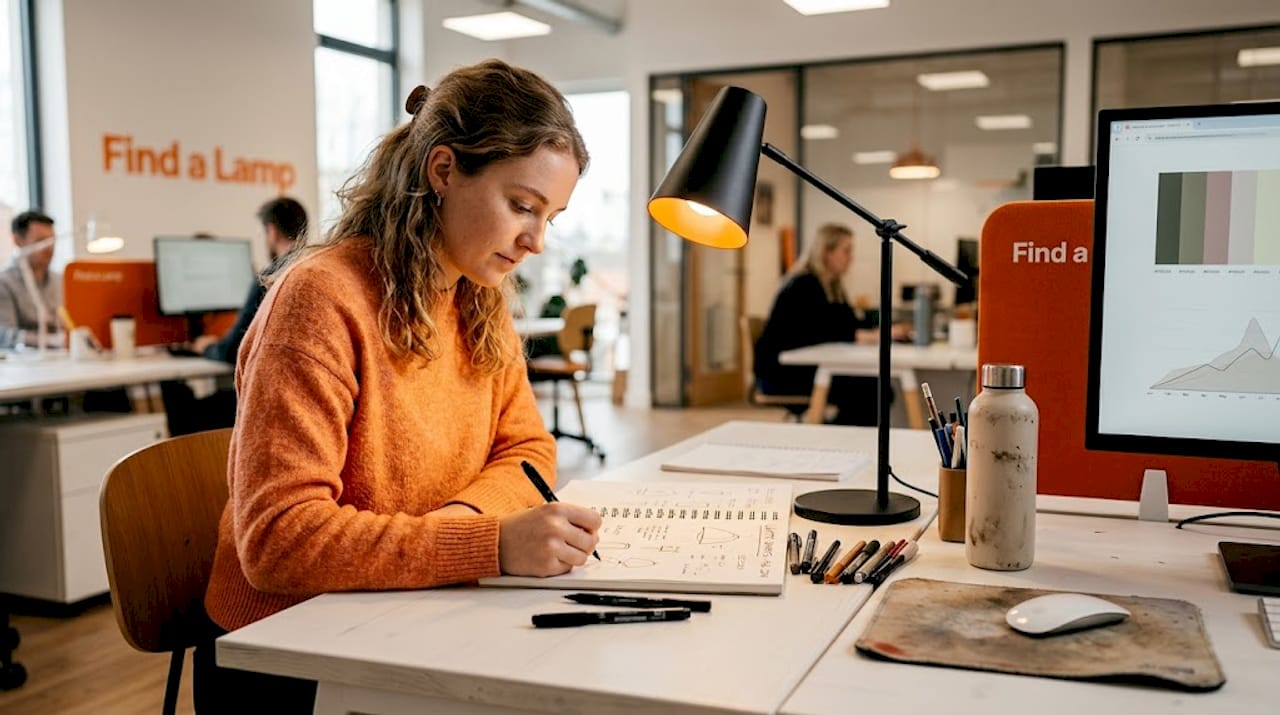
Arbetslampor är arbetsstationernas draghästar. Placerade på skrivbord eller fastklämda vid skrivbordskanter, levererar de fokuserat, riktat ljus precis där arbetet sker. Detta är avgörande för att minska ögonansträngning under närarbete som läsning, skrivning eller detaljerat datorarbete, särskilt när det omgivande ljuset inte räcker till eller skapar skuggor. De bästa moderna skrivbordslamporna inkluderar inbyggda dimmerkontroller, flera färgtemperaturlägen (så att användare kan växla mellan varma och dagsljusinställningar) och ofta genomtänkta tillägg som USB-laddningsportar eller trådlösa laddningsplattor. För lampor för varje kontorsstil finns arbetslampor i allt från minimalistiska mattsvarta profiler till ledade arkitektarmar som känns mer som precisionsinstrument än möbeltillbehör. De ger individer möjlighet att anpassa sin omedelbara belysningsmiljö.
2. Golvlampor: Den flexibla stämningsskaparen
Golvlampor på kontor förbises ofta eftersom de förknippas med bostadens vardagsrum. Det är en missad möjlighet! I samarbetszoner, pausutrymmen eller öppna kontorslandskap med lounge-sittplatser ger en välplacerad golvlampa varm, omgivande belysning utan att kräva någon takinstallation. Golvlampor i torchiere-stil studsar ljus från taket för diffus allmänbelysning, vilket mjukar upp rummets övergripande känsla. Golvlampor i arbetsstil med justerbara huvuden tjänar fokuserade läs- eller arbetsstationsbehov, särskilt användbara i utrymmen där skrivbordslampor inte är praktiska. De är också exceptionellt praktiska för hyrda kontor där takmodifieringar inte är möjliga, och erbjuder stor flexibilitet vid layoutändringar.
3. Takarmaturer: LED-paneler och Troffers: Grunden för allmänbelysning
Troffers (infällda rektangulära armaturer) och ytmonterade LED-paneler är den dominerande allmänna ljuskällan i de flesta kommersiella kontor. Rätt utförda ger de jämn, skuggfri belysning över stora öppna ytor och säkerställer en grundläggande ljusstyrka. Dåligt utförda är de källan till den hårda, platta belysning som dränerar energin ur ett rum. De viktigaste uppgraderingarna här är att byta till paneler med höga CRI-värden (85+), lägga till dimningsmöjlighet och, där det är möjligt, specificera ställbara vita armaturer som kan ändra färgtemperatur under dagen för att följa naturliga ljuscykler. Detta gör att den allmänna belysningen kan anpassas från ett energigivande kallvitt på morgonen till en mjukare, varmare ton på eftermiddagen, vilket främjar komfort och välbefinnande.
4. Vägglampor och arkitektonisk belysning: Djup- och karaktärsbyggare
Vägglampor tillför något som takpaneler helt enkelt inte kan: vertikal accentbelysning som ger djup, textur och sofistikering till en kontorsinteriör. I receptioner, mötesrum eller chefskontor lyfter vägglampor i kombination med konstverk, fondväggar eller mellan arkitektoniska element utrymmet från funktionellt till genuint designat. De eliminerar också den platta, tvådimensionella looken som uppstår när endast horisontella ytor belyses, vilket skapar en mer dynamisk och inbjudande atmosfär. Följ tips för belysningsinstallation och design om du planerar ett väggmonterat belysningsprojekt.
5. LED-lister och underskåpslampor: Skuggeliminerare & detaljförstärkare
LED-lister är det hemliga vapnet för att skapa subtil men effektfull belysning. Installeras under hyllplan, längs skrivbordskanter, inuti vitrinskåp eller som cove-belysning ovanför skåp, skapar de ett omgivande sken som visuellt expanderar ett utrymme och framhäver arkitektoniska detaljer. LED-lister under skåp vid arbetsstationer eliminerar skuggan som takbelysning ofta kastar direkt på en skrivbordsyta – en av de vanligaste och mest underskattade orsakerna till ögonansträngning på kontor med öppna hyllor ovanför arbetsstationerna. De är otroligt mångsidiga för accentbelysning, arbetsstöd och till och med vägledning.
Skiktad belysning som kombinerar allmän-, arbets- och accentkällor är den strategi proffs förlitar sig på för att eliminera ögonansträngning, minska hårda skuggor och förhindra den bländning som enbart en ljuskälla oundvikligen skapar. Det handlar om att skapa en rik, anpassningsbar belysningsmiljö.
Proffstips: I hybrid- eller hotdesking-kontor, investera i smarta lampor med app- eller röststyrning. När medarbetare byter plats dagligen, låter förinställda scenprogram vem som helst ställa in sin föredragna belysning direkt utan att behöva justera varje armatur fysiskt. Detta maximerar flexibiliteten och användarnöjdheten.
Jämförelsetabell: Vilken kontorslampa är bäst för dig?
Efter att ha utforskat de viktigaste alternativen i detalj, hjälper en sid-vid-sidajämförelse till att klargöra beslutet för specifika sammanhang.
| Lamptyp | Relativ kostnad | Justerbarhet | Bästa användningsområde | Viktig fördel |
|---|---|---|---|---|
| Arbets-/skrivbordslampa | Låg till medel | Hög | Individuella arbetsstationer, detaljarbete | Fokuserat, personligt arbetsljus; minskar ögonansträngning |
| Golvlampa | Medel | Medel till hög | Lounge, pausutrymmen, öppen planlösning, läshörnor | Flexibel, ingen takmontering behövs; ger värme |
| LED-panel / troffer | Medel till hög | Låg (om inte ställbar) | Öppen planlösning allmänbelysning, primär allmän ljuskälla | Jämn, bred täckning; grundläggande belysning |
| Vägglampa | Medel | Låg till medel | Reception, chefskontor, mötesrum, korridorer | Djup, accent, arkitektoniskt intresse; lyfter estetiken |
| LED-lister | Låg | Låg (fast installation) | Hyllor, skrivbordskanter, cove-belysning, vitrinskåp | Mjukt sken, skuggelimination; framhäver detaljer |
Därför regerar LED: En game-changer för kontorsbelysning
Den klara vinnaren i nästan varje kategori är LED-teknik, oavsett armaturtyp. Även om den initiala investeringen kan vara något högre än traditionella lysrörs- eller glödlampor, är de långsiktiga fördelarna helt enkelt ojämförliga. LED-lampor ger upp till 75% energibesparingar jämfört med lysrörsalternativ, vilket gör en betydande skillnad i dina driftskostnader. Men fördelarna sträcker sig långt bortom energiräkningen:
- Oöverträffad livslängd: LED-lampor fungerar i 50 000+ timmar, vilket innebär att lampbytescyklerna förlängs från vart 1-2 år till 10 år eller mer. Föreställ dig minskningen av underhållskostnader och störningar!
- Överlägsen ljuskvalitet: LED-lampor erbjuder utmärkt CRI, vilket säkerställer sann färgåtergivning. Ännu viktigare är att de fungerar flimmerfritt, vilket eliminerar huvudvärk, ögonansträngning och trötthet som ofta förknippas med lysrörsbelysning. Detta bidrar direkt till en hälsosammare och bekvämare arbetsmiljö.
- Stöd för dygnsrytm: Modern LED-teknik möjliggör ställbart vitt ljus, vilket innebär att du kan justera färgtemperaturen under dagen. Denna förmåga att efterlikna naturliga dagsljusmönster stöder ditt teams dygnsrytm, förbättrar vakenheten under dagen och främjar bättre sömn på natten.
- Minskad värmeutveckling: LED-lampor genererar betydligt mindre värme än traditionella glödlampor, vilket kan minska din VVS-belastning och bidra till en bekvämare inomhustemperatur, särskilt i stora öppna kontorslandskap.
- Smart integration: LED-lampor är naturligt kompatibla med smarta kontroller, dimmers och appstyrda system. Detta möjliggör oöverträffad flexibilitet, sceninställning och energihantering, vilket anpassar din belysning till ditt teams föränderliga behov.
Det är inte en marginell förbättring. Det är en grundläggande uppgradering av hälsa, ekonomi och den övergripande upplevelsen av din kontorsmiljö. Bläddra igenom våra utvalda moderna kontorsbelysningsval för att se hur LED-teknik översätts till vackert designade armaturer för varje kontorsstil.
Matcha lamptyper med ditt kontors DNA: Layout för layout
Att veta vad varje lamptyp gör är en sak. Att veta vilken kombination som passar din specifika kontorslayout är där de verkliga besluten fattas. En genomtänkt belysningsplan beaktar funktion, estetik och den mänskliga upplevelsen i varje zon.
Öppna kontorslandskap: Den samarbetsinriktade hubben
Öppna kontorslandskap utgör den mest komplexa belysningsutmaningen på grund av olika aktiviteter som sker samtidigt. Du behöver jämn allmänbelysning från högt-CRI LED-paneler eller troffers (cirka 4000K) för att ge en bekväm grundnivå. Detta måste kompletteras med justerbara arbetslampor vid individuella arbetsstationer för personlig kontroll, vilket gör att anställda kan minska bländning och belysa sitt specifika arbetsområde. För att skapa en känsla av zonindelning och visuellt intresse, lägger akustiska eller pendelarmaturer upphängda ovanför samarbetsbord eller loungeområden till en känsla av identitet samtidigt som de förbättrar arbetsljuset i gruppinställningar. Överväg smarta kontroller för att hantera olika zoner oberoende.
Egna kontor: Den personliga fristaden
Egna kontor drar enorm nytta av ett trelagers-tillvägagångssätt. Börja med en dimbar takpanel för allmänbelysning, helst med ställbart vitt ljus för flexibilitet. Lägg till en högkvalitativ, justerbar skrivbordslampa för nära arbete, vilket säkerställer fokuserat ljus där det behövs som mest. Slutligen introducerar en golvlampa eller vägglampa ambient värme och djup, vilket mjukar upp utrymmet under samtal, kreativa tankesessioner eller när man helt enkelt behöver en stund av lugn. Denna skiktning skapar en mångsidig miljö som stöder både intensivt fokus och avslappnad kontemplation.
Mötes- och konferensrum: Den mångsidiga lokalen
Dessa rum kräver belysning som dramatiskt kan skifta mellan presentationsläge (nedtonat, fokuserat på skärmen eller whiteboarden) och diskussionsläge (ljusare, jämnt och smickrande för videosamtal). Dimbara LED-paneler, särskilt de med ställbart vitt ljus, i kombination med väggmonterade accentljus (som vägglampor) erbjuder denna mångsidighet mest elegant. Programmera olika belysningsscener i ett smart styrsystem så att en enda knapptryckning kan förvandla rummets atmosfär från en fokuserad presentation till en livlig brainstorming-session.
Receptioner: Första intryckets arkitekt
Receptioner är där första intrycken skapas. Här förtjänar estetisk inverkan lika stor vikt som funktion. Uttrycksfulla golvlampor, arkitektoniska vägglampor och LED-covebelysning samverkar för att projicera en varumärkesidentitet genom ljus. Använd varmare färgtemperaturer (3000-3500K) för att skapa en välkomnande och bekväm atmosfär. Framhäv konstverk, arkitektoniska detaljer eller varumärkeselement med fokuserad accentbelysning för att dra ögat och skapa visuellt intresse.
Fönsterlösa kontor: Utmaningen med dagsljusimitation
Fönsterlösa kontor kräver den mest genomtänkta strategin för att bekämpa känslor av instängdhet och främja välbefinnande. Fullspektrumslampor med dagsljus, klassade till 5000K eller högre, är avgörande här, då de efterliknar kvaliteten på utomhusljus och avsevärt minskar den psykologiska känslan av att vara instängd. Skikta dem med varmare accentkällor för balans, och överväg system för dygnsrytmsjustering som skiftar färgtemperatur under dagen för att upprätthålla naturliga vakenhetsrytmer. För naturliga ljusalternativ och kompletterande strategier, utforska alternativ utformade för att replikera dagsljusets fulla spektrala kvalitet inomhus, såsom ljusterapilampor eller virtuella fönster.
Belysningsstrategier per kontorslayout:
| Kontorstyp | Primärt lager | Arbetslager | Accentlager |
|---|---|---|---|
| Öppen planlösning | LED-paneler (4000K, dimbara) | Skrivbordslampor per arbetsstation | Pendelkluster över samarbetszoner, LED-lister |
| Eget kontor | Dimbart, ställbart takljus | Justerbar skrivbordslampa (CCT-justerbar) | Golvlampa eller vägglampa (varmare K) |
| Mötesrum | Ställbara LED-paneler (sceninställningar) | Ej tillämpligt (eller integrerade bordslampor) | Dimbara vägglampor, indirekt cove-belysning |
| Reception | Cove- eller pendel-LED (varmare K) | Ej tillämpligt | Uttrycksfulla golvlampor, arkitektoniska vägglampor, spotlighting |
| Fönsterlöst | Fullspektrum 5000K+ paneler (dygnsrytmjusterade) | Arbetslampa per skrivbord | Varma accent-LED för balans, indirekt uppåtriktad belysning |
För arbetsplatser med lekfulla eller kreativa varumärkesidentiteter, utforska lekfulla kontorslampidéer för att hitta armaturer som ger personlighet till kontorsbelysningens uppgift.
Proffstips: Appstyrda smarta lampor låter dig skapa förinställda scener anpassade för olika aktiviteter – fokuserat djupt arbete, samarbetande standups, klientmöten eller nedvarvning i slutet av dagen – så att din belysning