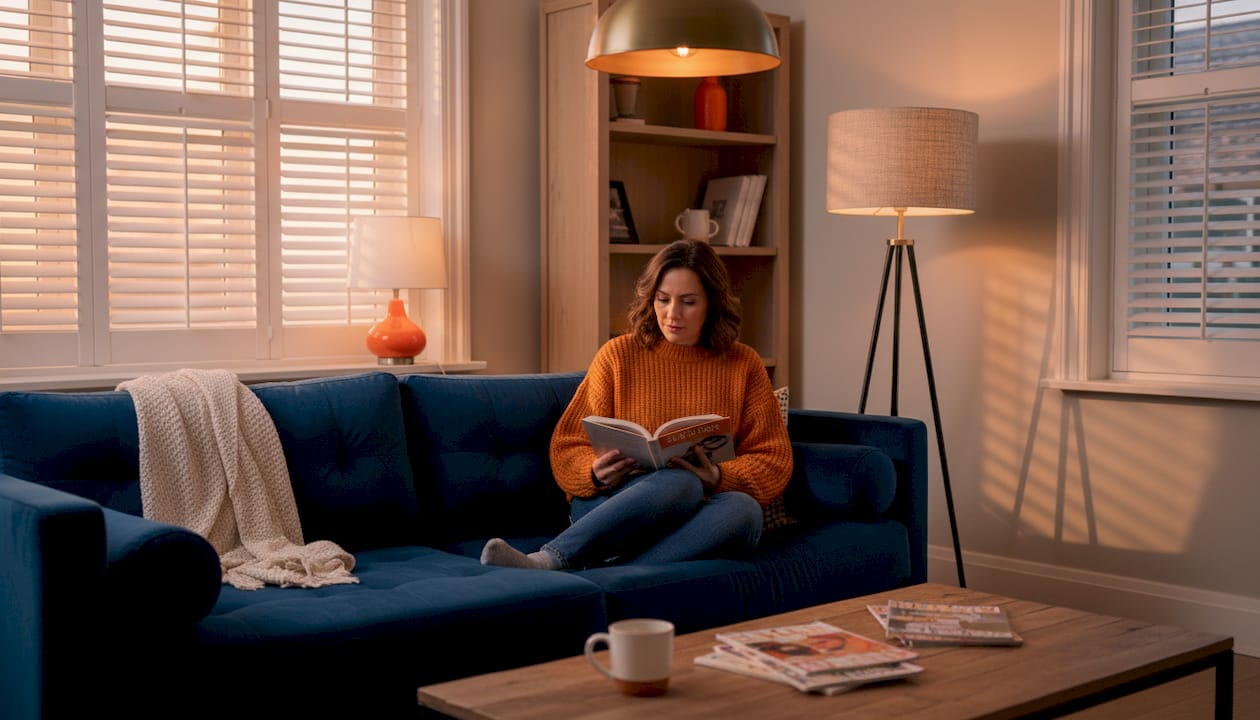
Ever walked into a room that just... felt off? Maybe the furniture was perfect, the colors spot-on, but the vibe was just flat, lifeless, or even a little harsh. Chances are, the culprit wasn't your sofa or your paint swatch, but something far more subtle yet profoundly impactful: the lighting.
Flat, single-source overhead light can drain the warmth and personality from even the most thoughtfully decorated space, making it feel more like an interrogation room than a cozy haven. But here's the good news: a well-layered lighting plan works almost like magic. It adds depth, intimacy, and energy, transforming your home into a place you genuinely love to spend time in. Forget the frustrating guesswork; in this comprehensive guide, we're diving deep into the art of layered lighting, offering actionable strategies and personalized lamp solutions to illuminate your world beautifully.
Table of Contents
- The Overhead-Only Trap: Why Single Sources Fail
- Unveiling the Magic: The Three Layers of Light
- Your Lighting Arsenal: Choosing the Right Fixtures
- The Secret to Spaciousness: Embracing Perimeter Lighting
- Crafting Your Light Story: Personalizing Your Design
- Beyond the Bulb: The Power of Lighting Habits
- Ready to Illuminate Your World?
- Frequently Asked Questions
The Overhead-Only Trap: Why Single Sources Fail
Picture this: a single, solitary light fixture glowing from the center of your ceiling. It's the go-to for many builder-grade homes, practical and cheap to install. But for any space where you actually want to live, relax, or connect, it’s almost universally a design misstep. Why?
When all your light descends from one point above, it creates a cascade of visual problems:
- Harsh, Downward Shadows: Faces look hollowed out, textures flatten, and every wrinkle seems to pop. It’s the least flattering light for people and objects alike.
- "Cave Effect": The center of the room might be bright, but the corners and perimeter remain shrouded in gloom. This makes even large rooms feel smaller and unwelcoming, creating a visual tunnel.
- Glare Galore: Bare bulbs or poorly diffused overhead lights can hit your eyes directly, causing discomfort and eye strain, especially when you're trying to relax.
- Lost Ambiance: Without varied light sources, a room struggles to convey warmth, coziness, or any specific mood. It just feels... lit. Like a functional space, not a living one.
- Squashed Visual Depth: The absence of light on vertical surfaces (walls, bookshelves, artwork) means the room lacks dimension. Everything looks two-dimensional, robbing your space of its inherent character.
Lighting design professionals have been sounding this alarm for years. As industry experts often note, "overhead-only" designs that create flat lighting, harsh downward shadows, glare, or unflattering pools of light should be avoided in living and social spaces. The key takeaway here isn't to ditch your overhead fixture entirely, but to ensure it's not working alone.
Understanding how lighting shapes interior design is the first real shift in perspective. Once you see light not merely as a utility but as a design material, you begin to realize that *how* light falls through a room is just as important as *how much* of it exists. The direction, height, and distribution of your sources determine whether a space feels alive or deadened.
Unveiling the Magic: The Three Layers of Light
Now that we've diagnosed the problem, let's explore the elegant solution: layered lighting. This is the professional designer's core strategy, and it translates beautifully into practical homeowner action. The concept rests on three distinct categories of light working in harmony, each playing a vital role in creating a dynamic and comfortable environment.
1. Ambient Lighting: The Foundation
Think of ambient light as the gentle, diffused glow that fills a room, providing overall illumination without harsh contrasts. It's your room's baseline brightness, ensuring you can navigate safely and comfortably. This layer sets the general mood and prevents that "cave effect."
- Examples: Softly shaded floor lamps, indirect ceiling coves, pendant fixtures with frosted glass or fabric shades, or even a dimmable central ceiling fixture.
- Purpose: General visibility, creating a welcoming atmosphere, eliminating stark shadows.
- Pro Tip: Always, always put your ambient lighting on a dimmer switch. This single upgrade offers unparalleled flexibility, allowing you to instantly shift from bright, functional light to a soft, intimate glow.
2. Task Lighting: The Functional Focus
Task lighting is exactly what it sounds like: focused, functional illumination designed to support specific activities. It brings the light directly to where you need it, reducing eye strain and improving concentration.
- Examples: Table lamps with opaque shades for reading, directional swing-arm fixtures over a desk, under-cabinet strips in the kitchen, or a dedicated vanity light in the bathroom.
- Purpose: Illuminating specific work or activity areas (reading, cooking, crafting, working).
- Pro Tip: Position task lights so the source is not directly in your line of sight, but rather shines onto your work surface. Adjustable lamps are your best friend here!
3. Accent Lighting: The Drama and Dimension
This is where your room truly comes alive! Accent lighting adds drama, dimension, and visual interest by drawing the eye toward specific features. It's about highlighting artwork, architectural details, textured walls, or beloved decorative objects, creating depth and a sense of curated elegance.
- Examples: Picture lights above art, narrow-beam spotlights on a sculpture, uplights tucked behind plants or furniture, or even subtle LED strips along shelving.
- Purpose: Highlighting features, creating focal points, adding sparkle and visual depth.
- Pro Tip: Even one well-placed accent light can completely transform a room. Try a small uplight behind a favorite houseplant or a floor lamp aimed at a textured wall.
Implementing all three layers in any room is simpler than it sounds. Here's a practical sequence:
- Start with your ambient source: Decide on your primary overhead or general room light. A dimmer switch is non-negotiable here.
- Identify key activities: Where do you read, work, or pursue hobbies? Assign a dedicated task lamp to each zone.
- Add at least one accent source: What features do you want to highlight? Even a simple uplight in a corner can make a huge difference.
- Vary the heights deliberately: Low table lamps, mid-height floor lamps, and ceiling-level sources should all coexist, creating a visual rhythm that feels natural and layered.
A core principle from design practice is that each room should have multiple light sources at different heights to avoid the flatness that single-source designs create. This is one of those rules that, once you understand it, you cannot unsee it in every space you walk into.
For a deeper dive into applying these layers, consult a layered lighting guide when you're ready to map out a specific room. Having a structured reference makes it much easier to spot the gaps in your current setup.
Your Lighting Arsenal: Choosing the Right Fixtures
Knowing the layers is one thing, but choosing the right lamp for each layer is another. Not every lamp works equally well in every situation. Choosing the right form factor is a critical decision that affects both the quality of light you get and the visual scale of the room.
- Table Lamps: Versatile & Intimate
These are the workhorses of layered lighting. Perfect for task lighting on desks or side tables, and excellent for contributing to ambient light with a soft shade. They bring light down to eye level when seated, creating a sense of intimacy and warmth. Consider their height in relation to the furniture they sit on – a good rule of thumb is that the bottom of the shade should be roughly at shoulder height when you're seated nearby.
- Floor Lamps: Tall & Impactful
Floor lamps offer significant vertical presence and can serve multiple roles. A torchiere lamp (which points light upwards) is fantastic for ambient fill, bouncing light off the ceiling to soften the entire room. An arc lamp can provide overhead task lighting for a sofa without needing ceiling wiring. A classic shaded floor lamp offers both ambient and task light, perfect for a reading nook. They require floor space but make a strong visual statement.
- Wall Sconces: Space-Saving & Architectural
Sconces are brilliant for rooms where floor or table space is precious. They mount directly to the wall, saving precious real estate on nightstands or side tables. They can provide beautiful ambient light by washing walls, or focused task light if adjustable. They also add an architectural element, defining spaces and adding a touch of elegance. Battery-operated or plug-in options are great for renters!
- Pendant Lamps: Statement & Focal Point
Pendants are often the jewelry of a room. Hanging from the ceiling, they draw the eye and can serve as a strong focal point. They're ideal for task lighting over kitchen islands or dining tables, or for providing a concentrated pool of ambient light in an entryway or stairwell. Consider their size and height carefully to ensure they don't obstruct views or traffic paths.
- Desk Lamps: Focused & Adjustable
Specifically designed for task work, desk lamps often feature adjustable arms and heads, allowing you to direct light precisely where needed. They are crucial for home offices, craft areas, or any space requiring intense concentration. Look for models with good diffusion to prevent glare on screens.
Understanding which lamp type to reach for depends on what you need that particular corner of the room to do. A small bedroom benefits enormously from wall-mounted bedside sconces because they free up nightstand space while pushing light outward toward the walls rather than straight down. A generously sized living room can carry a statement floor lamp in the reading corner alongside a pendant over the coffee table and table lamps flanking the sofa.
Here are some quick-reference principles worth keeping in mind:
- Match lamp height to function: Task lamps should bring the light source close to eye level when seated; ambient floor lamps should be tall enough to cast light broadly across the ceiling.
- Proportion matters: A tiny table lamp on a large console will look lost. Scale your shade size to the furniture beneath it.
- Bulb color temperature is part of the lamp’s personality: Warm white (2700K to 3000K) creates coziness; neutral white (3500K to 4000K) is better for task-heavy zones.
- Explore the full range of lighting styles for your home before committing to a fixture family. A mid-century arc lamp and an industrial cage pendant give entirely different energies even in the same room.
For small rooms, the guidance is especially clear: adding vertical light can create more perceived depth and width, and relying on a single overhead fixture should be avoided. A tall torchiere floor lamp, for instance, sends light toward the ceiling and back down as a broad wash, making the room feel both taller and wider simultaneously.
The Secret to Spaciousness: Embracing Perimeter Lighting
This is one of the most counterintuitive yet powerful insights in residential lighting design: when a room feels dark or cramped, the instinctive response is often to add more light. But simply increasing the wattage of your center fixture rarely solves the problem. In fact, it often makes it worse by creating more glare without addressing the underlying issue.
The real culprit is typically placement. When light hits only the floor and center of the room rather than the walls, the space reads as enclosed and flat, regardless of how many lumens you throw at it. The walls are what define the room’s boundaries, and when they are dark, the room visually contracts, feeling smaller and less inviting.
| Lighting Approach | Perceived Room Size | Wall Definition | Shadow Quality |
|---|---|---|---|
| Center ceiling only | Smaller, flatter | Poor | Harsh, downward |
| Perimeter floor lamps | Larger, more open | Good | Soft, diffused |
| Wall sconces + uplights | Largest perceived space | Excellent | Almost eliminated |
| Layered mix of all types | Maximum depth and warmth | Exceptional | Nuanced and flattering |
The solution is to move your light sources toward the walls and aim at least some of them outward and upward. This is the essence of perimeter lighting.
- Uplights: Placed behind furniture, in corners, or even tucked into planters, uplights bounce illumination off walls and ceilings. This indirect light effectively "pushes out" the room's perceived boundaries, making it feel larger and more open.
- Wall Washers: These are fixtures (often recessed or track lighting, but can also be specific floor lamps) designed to evenly illuminate a vertical surface, highlighting texture or artwork and making the room feel more expansive.
- Sconces: As discussed, sconces are champions of perimeter lighting. Flanking a fireplace, a bed, or a piece of art, they wash vertical surfaces with light, giving the eye something engaging to travel toward and defining the room's edges.
- Strategically Placed Floor Lamps: Instead of placing a floor lamp right next to a sofa, try moving it a foot or two towards the corner, aiming the light towards the wall. This subtle shift can make a significant difference.
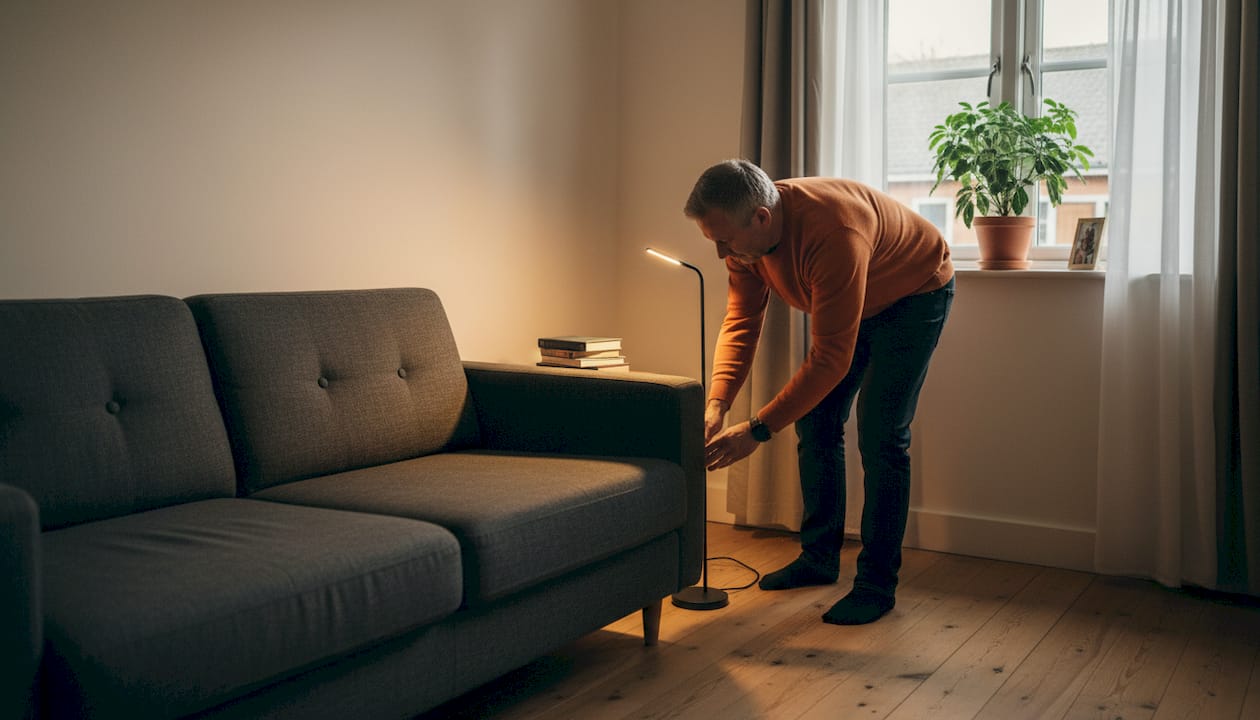
Pro Tip: Try placing a simple uplight (even an inexpensive plug-in floor can) behind a large sofa or in a dark corner for one week. The difference in how the room feels at night will almost certainly convince you to make it permanent!
This strategy works beautifully in rental spaces too. If you're renting and can't drill into walls, a renter-friendly lighting guide will show you exactly how to achieve this perimeter effect with freestanding and plug-in solutions that leave no trace behind.
Crafting Your Light Story: Personalizing Your Design
Layering, lamp selection, and perimeter thinking are all tools. The real artistry is in how you apply them to a space that is uniquely yours. Personalization in lighting isn't about buying the most expensive fixture; it's about understanding your own habits, preferences, and the specific qualities of each room in your home. It's about telling your home's unique light story.
Here are some guiding ideas to infuse personality into your lighting design:
- Mix Lamp Heights Consciously: Avoid the "runway effect" where all your lamps sit at the same level. Vary heights from low table lamps (around 18-24 inches) to mid-height floor lamps (48-65 inches) to ceiling fixtures. This creates a dynamic visual rhythm and ensures light reaches every corner.
- Let Materials Carry Personality: The material of your lamp's base and shade speaks volumes. A rattan shade gives warmth and organic texture. Smoked glass projects moody sophistication. Brushed brass channels quiet luxury. Ceramic adds an artisanal touch. Choose materials that resonate with your overall interior design aesthetic.
- Embrace Smart Lighting: Modern smart bulbs and switches allow you to control color temperature, brightness, and even create custom scenes from your phone or voice assistant. This offers unparalleled personalization, letting you shift the mood from energetic morning to cozy evening with a single command.
- Use Adjustable Features to Your Advantage: Swing-arm wall lamps, pivoting floor lamps, and clip-on accent lights are not just functional; they're genuinely flexible investments. Reposition them as your needs shift, highlight new decor, or simply change the room's focus.
- Think About Creative Placement Beyond the Obvious: A lamp on a floating shelf can function as both task light and a display piece. A small accent lamp tucked into a bookcase creates depth within the shelving itself. Uplights behind a sheer curtain can create a stunning, diffused glow.
- Revisit Your Lighting Seasonally: Just as you swap out throw pillows, consider adjusting your lighting. Summer evenings call for cooler, airier illumination; winter evenings beg for warm, low, enveloping light. Adjusting bulb temperature and lamp position between seasons is an underrated way to keep your home feeling fresh and responsive to the outside world.
The lighting insights blog is a genuinely rich resource for exploring specific room types, style movements, and emerging trends in residential lighting. Spend time there when you're planning a refresh, and you'll leave with far more inspiration than you expected.
Beyond the Bulb: The Power of Lighting Habits
Here's an opinion we hold with some conviction: the lighting industry tends to frame transformation as purely a product decision. Buy the right pendant. Invest in the right lamp. And while product choice absolutely matters, the real gap in most homes isn't a lack of fixtures. It's a lack of *habits*.
Homeowners who consistently live in beautiful, comfortable light are not necessarily the ones with the biggest budgets. They are the ones who have built a simple, repeatable practice of adjusting their environment. They notice when a corner has gone dark and they do something about it. They try a lamp in a new position and leave it there if it works. They revisit their choices every year or two as family needs shift, rooms repurpose, and personal taste evolves.
Good lighting is not a destination. It is an ongoing relationship with your space. A young couple’s first apartment needs different lighting than the same home ten years later, once there are children, a home office, and a reading habit that didn't exist before. The lamps you bought then may still serve you perfectly, just repositioned and recombined with new additions.
We also want to challenge the idea that making a "mistake" in lighting is something to fear. Lamps are movable. Bulbs are swappable. The experimentation is the point. Try the floor lamp behind the sofa instead of beside it. Put the table lamp on the floor aimed upward for one evening. These experiments cost nothing and teach you more about your own preferences than any design guide can.
For those who work from home, the stakes are especially real. Purpose-built home office lighting tips can dramatically improve both your productivity and your wellbeing, and they require the same mindset: layer your sources, watch your placement, and revisit the setup as your habits change. The transformation is not in the purchase. It is in the practice.
Ready to Illuminate Your World?
Ready to move from theory to action? We've built Find a Lamp precisely for moments like this, when you know what you want your space to feel like but need a smarter way to find the right fixture to get there.

Browse our curated collections organized by room, style, and mood. If you're drawn to warmth and raw material, our industrial living room lighting collection delivers beautifully. If clean lines and forward-looking forms are more your speed, modern lamps brings together fixtures that feel current without chasing trends. And if you simply want smart, personalized lamp recommendations based on your actual room, our AI-powered platform will analyze your space and match you with options that genuinely fit. Let's find the perfect light for your life!
Frequently Asked Questions
How many light sources should I use in a typical living room?
Most experts recommend at least three distinct light sources at different heights, because multiple sources at varied heights are what create the balanced, comfortable feel that a single overhead fixture simply cannot deliver. This includes a mix of ambient, task, and accent lighting.
Why does my room feel flat even though I have enough wattage?
A flat-feeling room almost always needs better light placement rather than just more wattage. When light is not hitting walls and perimeter surfaces, the room contracts visually and lacks depth, no matter how bright the center fixture is. Focus on spreading light to the edges of the room.
What is layered lighting and why is it important?
Layered lighting combines three types of illumination—ambient (general), task (functional), and accent (decorative)—to create flexible, comfortable, and visually interesting spaces. It's important because it reduces glare, eliminates harsh shadows, and gives you the ability to shift the mood and functionality of a room instantly.
Which lamp types are best for small rooms?
For small rooms, wall sconces, tall floor lamps (especially torchieres), and strategically placed table lamps work far better than a single ceiling fixture. Adding vertical light and pushing light towards the walls creates the perception of greater depth and width, making the room feel more expansive.
How do I personalize my lighting design?
Personalize your lighting design by mixing lamp styles, varying heights and placements, choosing materials and finishes that reflect your aesthetic, and integrating smart lighting. Most importantly, regularly revisit and adjust your setup seasonally or as your needs change to keep the space feeling intentional and alive.