The Ultimate Guide to Task Lighting: Illuminate Your Life, Boost Your Focus!
Ever found yourself squinting at a cookbook, battling shadows on your kitchen counter, or rubbing tired eyes after an hour at your desk? If so, you're not alone. Most homes rely almost entirely on overhead fixtures to do all the heavy lifting when it comes to lighting. And while general ambient light is essential, it’s a bit like using a sledgehammer for a finishing nail – broad, often overkill, and rarely precise enough for the job at hand.
Enter task lighting: the unsung hero of home illumination. This isn't just about adding another lamp; it's about strategically placing light to enhance your focus, protect your eyes, and transform frustrating workspaces into functional, comfortable havens. It’s the targeted fix many homeowners don’t realize they’re missing, and once you experience it, there’s no going back.
In this comprehensive guide, we’re diving deep into the world of task lighting. We’ll uncover what it truly is, demystify the science behind proper placement, explore the real health and productivity benefits, and show you how to choose fixtures that blend seamlessly with your style. Get ready to illuminate your life, one focused beam at a time!
Table of Contents
- What is Task Lighting and Why Does It Matter?
- Core Principles: Placement, Uniformity, and Adjusting for Tasks
- Task Lighting Benefits: Productivity, Comfort, and Health
- How to Choose and Style Task Lighting for Your Space
- Why Most Homeowners Overlook Task Lighting’s Biggest Impact
- Ready to Upgrade Your Space? Find the Perfect Task Light
- Frequently Asked Questions
Key Takeaways
| Point | Details |
|---|---|
| Task Lighting Defined | Focused illumination for specific visual activities, enhancing visibility and comfort. |
| Placement Matters Most | Correct positioning, height, and angle are crucial for effectiveness and minimizing strain. |
| Boosts Well-being | Proven to enhance productivity, reduce eye strain, and even support better sleep and alertness. |
| Style Meets Function | The right fixtures blend utility with aesthetics, elevating both look and performance. |
| Beyond Brightness | True impact comes from precision and uniformity, not just raw lumens. |
What is Task Lighting and Why Does It Matter?
When most people think about lighting, their minds often jump to a simple question: "Is it bright enough?" But for interior designers and lighting experts, illumination is an art form, built on layers. Imagine your home as a beautifully composed painting – you wouldn't just splash one color everywhere, would you? Lighting works the same way.
- Ambient Lighting: This is your room’s general, foundational glow. Think ceiling lights, recessed cans, or diffused chandeliers that provide overall illumination, allowing you to move safely and comfortably through a space.
- Accent Lighting: This layer is all about drama and highlighting. Spotlights on artwork, uplights behind plants, or tiny puck lights in shelving units draw attention to specific features, adding visual interest and depth.
- Task Lighting: And then there's our star! Task lighting is focused illumination designed with a singular purpose: to help you perform specific visual activities with clarity and comfort. It's not about broadly lighting a room; it's about delivering the perfect amount of light precisely where your eyes are working the hardest.
The distinction is vital. Confusing these layers is one of the most common lighting design mistakes homeowners make. You wouldn't use a spotlight to read a book, just as you wouldn't use a general ceiling light to highlight a painting. Each layer has its role, and task lighting is arguably the most impactful for your day-to-day comfort and productivity.
Think of it this way: ambient light is like the sun on a cloudy day – everywhere, but diffuse. Task lighting is like a powerful flashlight, cutting through the dark with precision. It’s purposeful, targeted, and incredibly effective.
So, where does task lighting truly shine in your home? The possibilities are endless!
- Reading Nooks & Bedside Tables: A dedicated table lamp or wall-mounted sconce provides ample light for your novel without disturbing a sleeping partner or flooding the entire room.
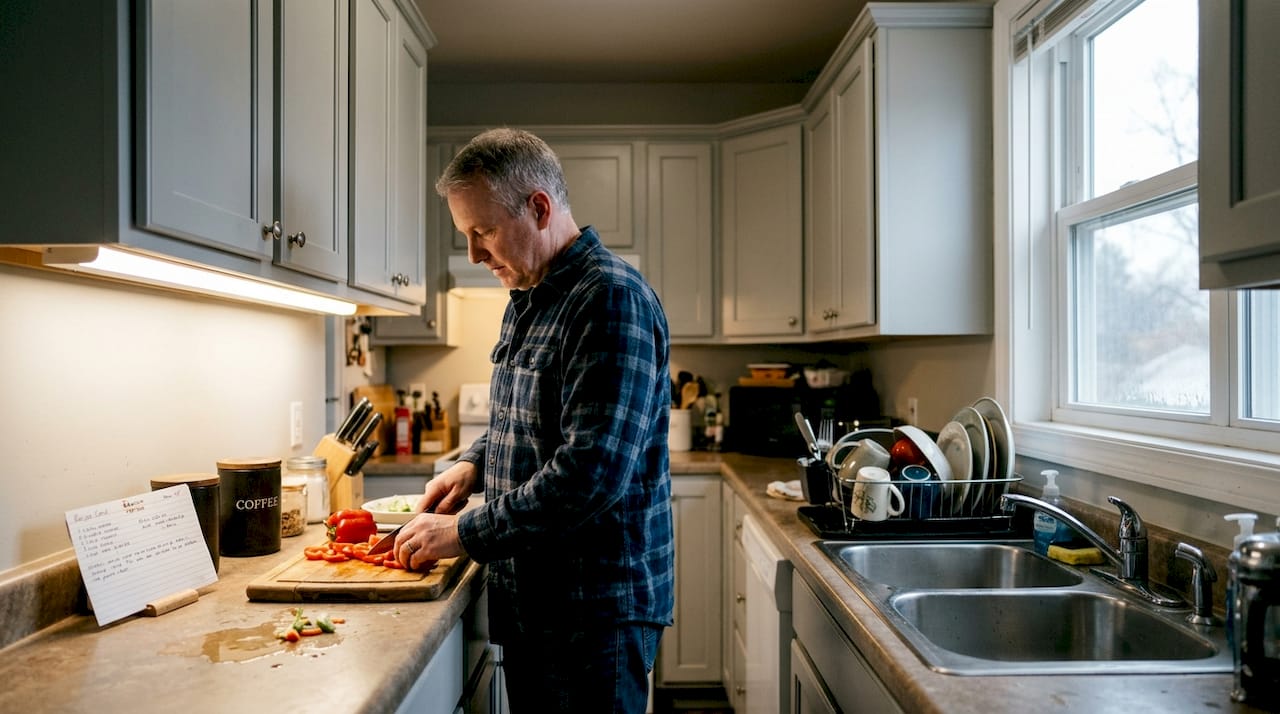
- Kitchen Counters & Islands: Under-cabinet lighting or stylish pendants ensure shadow-free visibility for chopping, dicing, and detailed meal prep, making cooking safer and more enjoyable.
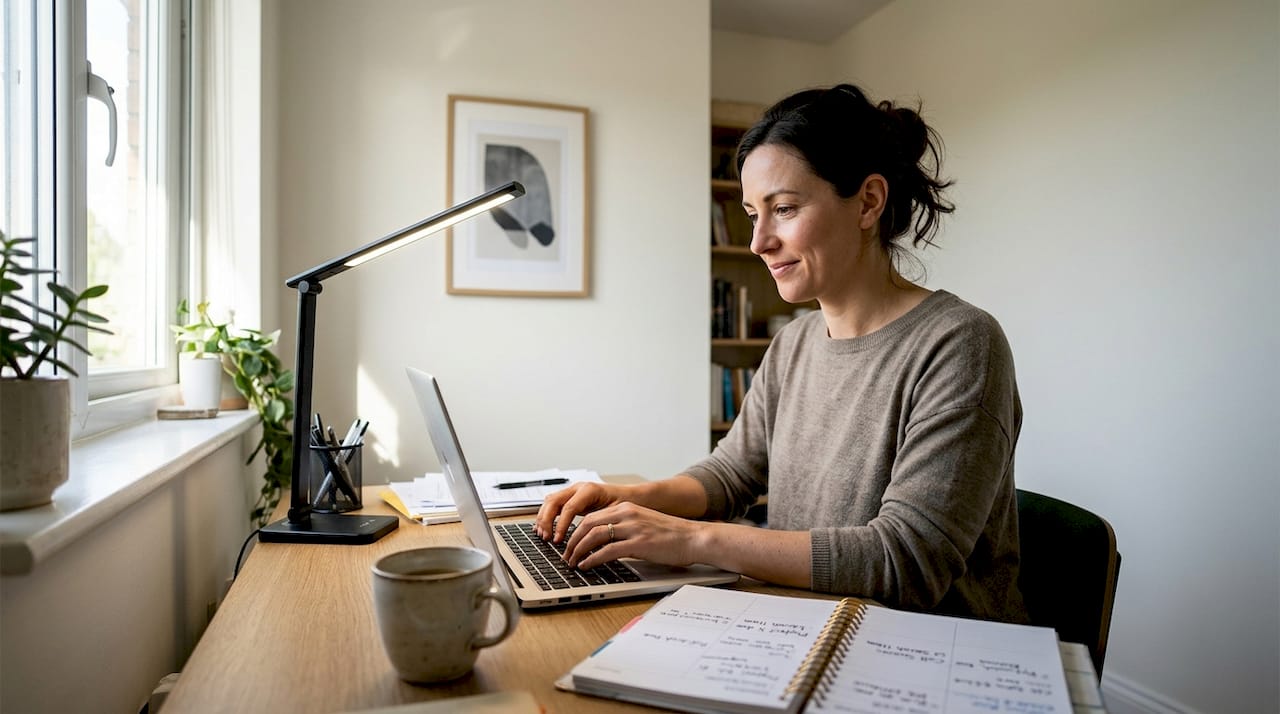
- Desks & Home Offices: A high-quality desk lamp is non-negotiable for anyone spending hours on a computer, writing, or studying. It combats screen glare, reduces eye strain, and boosts concentration.
- Bathroom Vanities: Sconces flanking a mirror or an overhead bar light provide even, shadow-free illumination crucial for applying makeup, shaving, or styling hair.
- Craft Rooms & Workshops: Whether you're sewing, painting miniatures, or tinkering with electronics, precise lighting prevents mistakes and reduces fatigue during intricate tasks.
- Hobby Areas: From puzzling to model building, dedicated task lights ensure every detail is visible.
The benefits extend far beyond just "seeing better." Good task lighting actively reduces eye strain, sharpens your focus, and can significantly boost your productivity. It also makes a room feel more intentionally designed, sophisticated, and functional. Plus, by eliminating shadows in critical areas like staircases or kitchen workspaces, it plays a vital role in enhancing home safety.
“Task lighting accounts for one of the most impactful yet underutilized layers in residential lighting design. Properly implemented, it transforms a frustrating workspace into a functional, comfortable environment, directly influencing our well-being and efficiency.”
If you work from home, targeted home office lighting tips can make a measurable difference in how long you can focus before fatigue sets in. The case for task lighting isn’t just aesthetic; it’s practical, physiological, and worth every bit of attention.
For more insights into creating a comprehensive lighting plan, check out this great article from Architectural Digest on layering light effectively.
Core Principles: Placement, Uniformity, and Adjusting for Tasks
Understanding what task lighting is sets the foundation, but *how* you apply it is what truly unlocks its potential. The biggest mistake people make isn’t buying the wrong lamp; it’s putting the right lamp in the wrong place. Proper placement is paramount to maximizing effectiveness and minimizing eye strain.
Here’s a step-by-step process for evaluating and optimizing your task lighting placement:
- Identify the Task and Its Location: Before anything else, define the specific activity. Are you reading a book in an armchair, chopping vegetables at a counter, drawing at a drafting table, or working on a laptop? The task dictates the required light level, spread, and angle. A reading lamp needs to illuminate a page, while a desk lamp needs to cover your keyboard and documents without creating screen glare.
- Consider Your Dominant Hand: This is a game-changer! Position your light source opposite your dominant hand. If you’re right-handed, place the lamp to your left. If you’re left-handed, place it to your right. This simple trick ensures your hand doesn't cast a frustrating shadow directly onto your work surface, forcing you to constantly shift or lean.
- Set the Correct Height and Angle: This is where precision comes in. As a general rule, position the lamp 30 to 50cm (about 12 to 20 inches) above your work surface. The light source itself should be at a 30 to 45-degree angle to your task. This maximizes light spread across your work area while keeping the bulb out of your direct line of sight, preventing harsh glare. An adjustable arm lamp is ideal for this, allowing you to fine-tune the height and angle.
- Check for Reflected Glare: Glare is the enemy of visual comfort. On glossy surfaces (like a polished desk, a book with shiny pages, or a computer screen), light can bounce directly into your eyes, causing discomfort and fatigue. To mitigate this, adjust the lamp to the side rather than directly in front. For computer screens, positioning the lamp slightly behind and to the side of your monitor can often work best.
- Use a Diffuser if Needed: Bare bulbs, especially LED bulbs, can produce very harsh, pinpoint light. A good lampshade or an integrated diffuser softens the light output, distributing it more evenly and reducing harsh shadows. Frosted bulbs can also help, even if your fixture doesn't have a shade.
For kitchen task lighting tips, under-cabinet strip lights (LED strips are fantastic for this!) are the gold standard. They shine directly onto the counter without creating shadows from overhead cabinets or your own body, making food prep a breeze. For desks, an adjustable arm lamp gives you the ultimate flexibility to redirect light as your work changes – from reading documents to typing on a keyboard.
Pro Tip: Bias Lighting for Digital Screens! If you spend a lot of time in front of a computer, consider "bias lighting." This is a soft, low-wattage light source placed directly behind your monitor. It reduces the harsh contrast between a bright screen and a dark surrounding area, dramatically cutting down on eye fatigue during long sessions. It's a subtle change with a huge impact on visual comfort.
One nuance that separates good task lighting from truly great task lighting is uniformity. Many people mistakenly chase peak brightness, thinking "brighter is better." However, what actually matters more for sustained comfort and focus is the consistency of light across your entire work surface. Your eyes are constantly adapting to light levels, and if your lamp creates a very bright center with dim