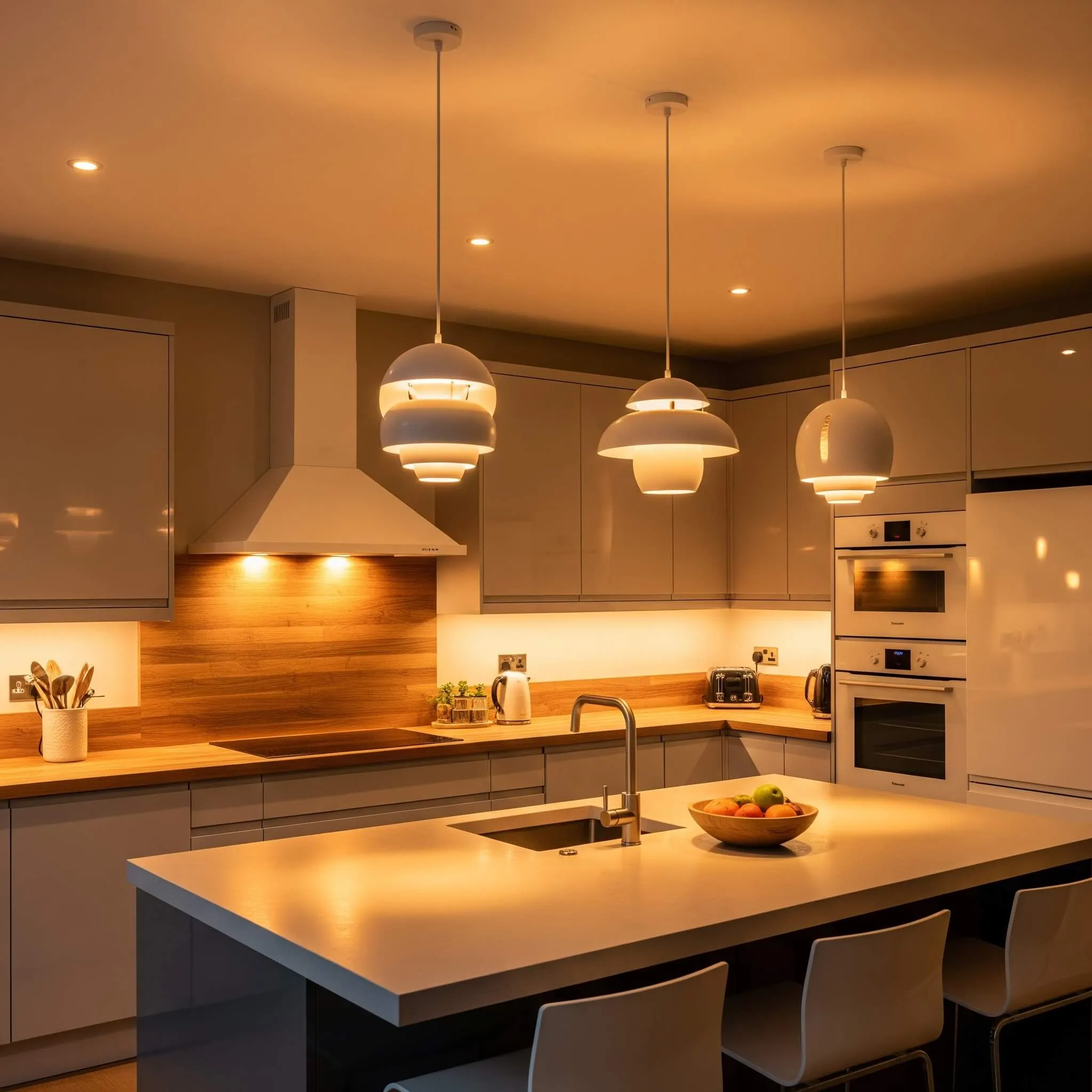
A Recipe for Perfect Kitchen Lighting: Beyond the Basics
The kitchen: it's the heart of the home, the gathering place, the culinary command center. And just like any great recipe, a truly functional and beautiful kitchen relies on carefully considered ingredients – in this case, light! Forget relying on a single, sad overhead fixture. We're diving deep into the art of layering light to create a kitchen that's bright, versatile, and a joy to be in.
A well-lit kitchen isn't just about aesthetics; it's about safety, efficiency, and creating an atmosphere you'll love. So, ditch the harsh shadows and say hello to a kitchen that's perfectly illuminated for every task and mood. Here's your foolproof recipe for kitchen lighting success:
The Three Essential Layers of Kitchen Light: The Lighting Trifecta
Think of your kitchen lighting plan as a delicious three-layer cake. Each layer plays a vital role, working together to create a harmonious and balanced final product.
1. Ambient Light: The Foundation
Ambient light, also known as general lighting, is your kitchen's foundation. It's the overall illumination that ensures you can safely navigate the space without bumping into things. It provides a comfortable level of brightness throughout the entire kitchen. Think of it as the background music that sets the mood.
- Sources: Recessed lights are a popular and versatile choice, providing even illumination across the ceiling. Flush mount fixtures are a good option for lower ceilings. A central pendant light or chandelier can add a touch of style while also contributing to the ambient light. Even strategically placed track lighting can work well.
- Color Temperature: For a warm and inviting feel, aim for a color temperature of around 2700K-3000K. This creates a cozy and welcoming atmosphere, perfect for a family kitchen. If you prefer a brighter, more modern feel, you could go slightly higher, but avoid going too cool (above 4000K) as it can feel sterile. Consider dimmable bulbs to adjust the warmth as needed.
- Spacing: For recessed lighting, a general rule of thumb is to space the fixtures approximately half the ceiling height apart. For example, in an 8-foot ceiling, you'd space the lights about 4 feet apart. This helps ensure even coverage.
- Example: Imagine a kitchen with a mix of recessed lighting and a decorative pendant light over the breakfast nook. The recessed lights provide the overall ambient light, while the pendant adds a touch of character and focuses the light in a specific area.
2. Task Light: The Workhorse
This is where things get serious. Task lighting is the most critical layer in a kitchen because it provides focused, bright light precisely where you need it most – for chopping vegetables, reading recipes, cooking gourmet meals, and tackling those dreaded dishes. Without adequate task lighting, you'll be fighting shadows and straining your eyes.
- Under-Cabinet Lighting: The Undisputed Champion: This is a non-negotiable for any serious kitchen lighting plan. Under-cabinet lighting eliminates shadows on your countertops, making food preparation safer and more enjoyable.
- Options: LED strips are a popular choice for their energy efficiency and even light distribution. LED puck lights are another option, offering a more focused beam of light. Choose a color temperature that complements your ambient lighting but is slightly brighter.
- Installation: Opt for low-profile fixtures that are easy to install and conceal. Many LED strips come with adhesive backing for simple installation.
- Pendant Lights: Island Illumination: Pendant lights are perfect for illuminating kitchen islands, peninsulas, and sinks. They add a stylish touch while providing focused light for these key work areas.
- Height: Hang pendants about 30-36 inches above the countertop for optimal, glare-free light. Adjust the height slightly depending on your ceiling height and personal preference.
- Spacing: When hanging multiple pendants over an island, space them evenly to create a balanced look. Consider the size of your island and the width of the pendants when determining the spacing.
- Style: Choose pendants that complement your kitchen's overall style. From sleek and modern to rustic and charming, there's a pendant light to suit every taste.
- Other Task Lighting Options: Consider track lighting with adjustable heads for directing light to specific areas, or a swing-arm wall lamp near a recipe book shelf.
- Color Temperature and CRI: For task areas, a brighter, more neutral light (3000K-4000K) is ideal. This helps you see the true colors of your food and makes it easier to perform tasks that require precision. A high Color Rendering Index (CRI of 90+) is also crucial. CRI measures how accurately a light source renders colors compared to natural sunlight. A high CRI ensures that your food looks vibrant and appealing. Learn more about CRI here.
3. Accent Light: The Finishing Touch
Accent lighting is the final layer, adding visual interest and highlighting your kitchen's best features. It's like the jewelry that completes your outfit, adding personality and flair.
- In-Cabinet Lighting: Showcase Your Treasures: Use in-cabinet lighting to illuminate glass-fronted cupboards, showcasing your beautiful dishware or collections. This adds a touch of elegance and creates a warm glow.
- Options: LED strip lights, puck lights, or even small spotlights can be used for in-cabinet lighting.
- Placement: Position the lights at the top or sides of the cabinet to create an even glow.
- Toe-Kick Lighting: Modern Glow: Toe-kick lighting adds a subtle, modern glow to the base of your cabinets. This creates a sophisticated and unexpected touch.
- Options: LED strip lights are ideal for toe-kick lighting.
- Color: Consider using colored LED strips to add a pop of personality.
- Directional Spotlights: Highlight Architectural Details: Use directional spotlights to draw attention to architectural details, artwork, or other focal points in your kitchen.
- Under-Shelf Lighting: Similar to under-cabinet lighting but used for open shelving, this highlights displayed items and adds a warm glow.
- Example: Imagine a kitchen with in-cabinet lighting highlighting a collection of antique teacups, toe-kick lighting creating a subtle glow at the base of the cabinets, and a spotlight illuminating a piece of artwork on the wall. These small details add up to create a truly unique and personalized space.
- Smart Lighting: Consider smart bulbs that can change color to match the mood or even sync with music. This is a fun way to add personality to your accent lighting. More on color temperature.
Pro-Tips for a Flawless Kitchen Glow:
Now that you understand the three essential layers of kitchen lighting, here are some pro-tips to help you achieve a truly flawless and functional space:
- Put Everything on Dimmers: The Ultimate Control: Dimmers are your best friend. They give you ultimate control over your kitchen lighting, allowing you to ramp up the light for cooking and dim it down for a relaxed dinner party. Install dimmers on all three layers of lighting to create a truly customizable atmosphere. Consult the Illuminating Engineering Society (IES) for standards.
- Mind Your Proportions: Size Matters: Ensure the size of your fixtures, especially pendants over an island, is proportional to the space. A too-small pendant will look lost, while a too-large pendant will overwhelm the space.
- Plan for Zones: Light for Every Activity: Think about the different activities that take place in your kitchen and light them accordingly. The prep zone needs brighter, more focused light than the dining nook. The sink area needs task lighting to make dishwashing less of a chore.
- Prioritize High-CRI Bulbs: See True Colors: We can't stress this enough! A high CRI ensures that the colors of your food, cabinets, and finishes look vibrant and true, just as the designer intended. Don't skimp on the bulbs – invest in high-quality, high-CRI options.
- Consider Smart Lighting Systems: Automation and Convenience: Smart lighting systems allow you to control your kitchen lights with your smartphone or voice assistant. You can create custom scenes, set schedules, and even adjust the color temperature of your lights.
- Don't Forget Natural Light: Maximize Sunlight: Take advantage of natural light whenever possible. Keep windows clean and consider adding skylights or larger windows to bring more natural light into your kitchen.
- Reflective Surfaces: Bounce the Light: Use light-colored countertops, backsplashes, and paint colors to reflect light and brighten the space. Glossy finishes will reflect even more light than matte finishes.
- Layering is Key: Start with a Plan: Don't just throw up a few fixtures and hope for the best. Take the time to plan your kitchen lighting carefully, considering all three layers of light and the specific needs of your space. Use our "Find a Lamp" engine to get personalized recommendations!
By following these tips and understanding the importance of layering light, you can create a kitchen that's not only beautiful but also functional, safe, and a joy to be in. So, go ahead and start planning your perfect kitchen glow – your culinary masterpiece awaits!