Transform your home with an easy ambient lighting setup
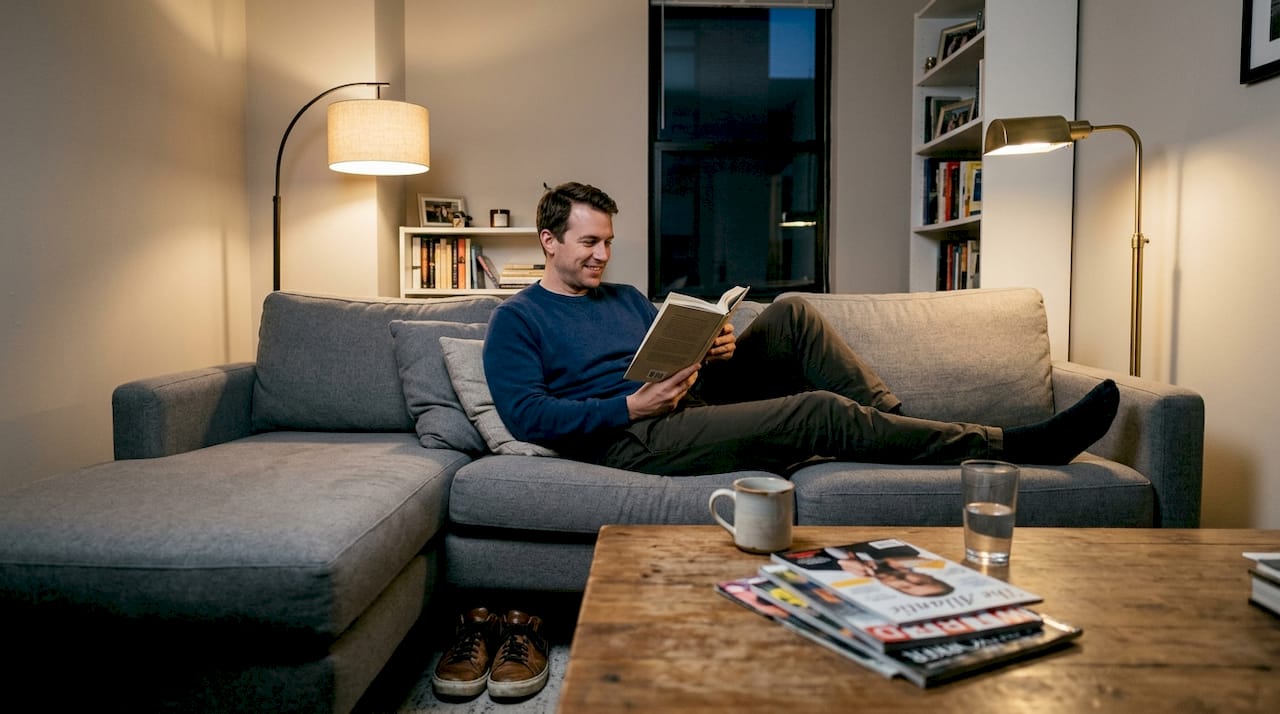
Harsh overhead lighting that makes your living room feel like a waiting room. A bedroom so dim you’re squinting to read. A kitchen where shadows swallow the countertops. Bad lighting doesn’t just look wrong — it changes how a space feels, affecting your mood, energy, and how much you actually enjoy being home. Ambient lighting is the fix most homeowners overlook, yet it’s the single most impactful upgrade you can make without touching a single wall. This guide walks you through everything: what to buy, how to plan, and how to install it right.
Table of Contents
- What you need for a great ambient lighting setup
- Plan your ambient lighting layout for maximum effect
- Step-by-step: Installing and setting up ambient lighting
- Troubleshooting and avoiding common mistakes
- Why ambient lighting is about more than just looks
- Bring your ambient lighting vision to life
- Frequently asked questions
Key Takeaways
| Point | Details |
|---|---|
| Start with the right fixtures | Choose from recessed, wall-mounted, or pendant lights for balanced ambient illumination. |
| Plan your layout carefully | Use room measurements and formulas to space lights evenly and avoid uneven brightness. |
| Install safely and test | Always turn off power, follow instructions, and check for shadows before finalizing your setup. |
| Avoid common pitfalls | Dimmers, warm bulbs, and layered sources will help you steer clear of harsh or bland lighting. |
| Upgrade for extra value | Dimmable LEDs and smart controls enhance comfort, savings, and property appeal. |
What you need for a great ambient lighting setup
Before you buy a single bulb, it helps to understand what ambient lighting actually is. Ambient lighting is the foundational layer of general illumination, providing an even, soft glow for safe navigation and mood setting in homes. Think of it as the base coat before you add accent or task lighting on top.
The good news: you have plenty of fixture options to work with. Here’s a quick breakdown of the most useful types:
| Fixture type | Best used for | Main benefit |
|---|---|---|
| Recessed lights | Kitchens, hallways, living rooms | Clean, unobtrusive, even spread |
| Chandelier / pendant | Dining rooms, entryways | Focal point with broad illumination |
| Cove lighting | Living rooms, bedrooms | Soft indirect glow, hides the source |
| Flush mount | Low-ceiling rooms, bedrooms | Space-saving, wide coverage |
| Track lighting | Open-plan spaces, kitchens | Adjustable direction, flexible |
| Wall sconce | Hallways, bathrooms, bedrooms | Layered warmth, fills vertical space |
| Torchiere floor lamp | Living rooms, reading corners | Bounces light off ceiling naturally |
For your materials checklist, gather these before starting:
- LED bulbs rated 2700K to 3000K (more on this below)
- Dimmer switches compatible with your chosen bulbs
- Smart controls if you want app or voice control
- Measuring tape for spacing fixtures correctly
- Wire connectors, electrical tape, and a voltage tester for safe installation
- Mounting hardware specific to your ceiling type
Color temperature is one of the most misunderstood factors in home lighting. The number on the bulb box (measured in Kelvin) tells you how warm or cool the light appears. For mood lighting basics, the sweet spot for residential spaces is 2700K to 3000K. That range produces the warm, golden tone that makes a room feel cozy and inviting rather than clinical.
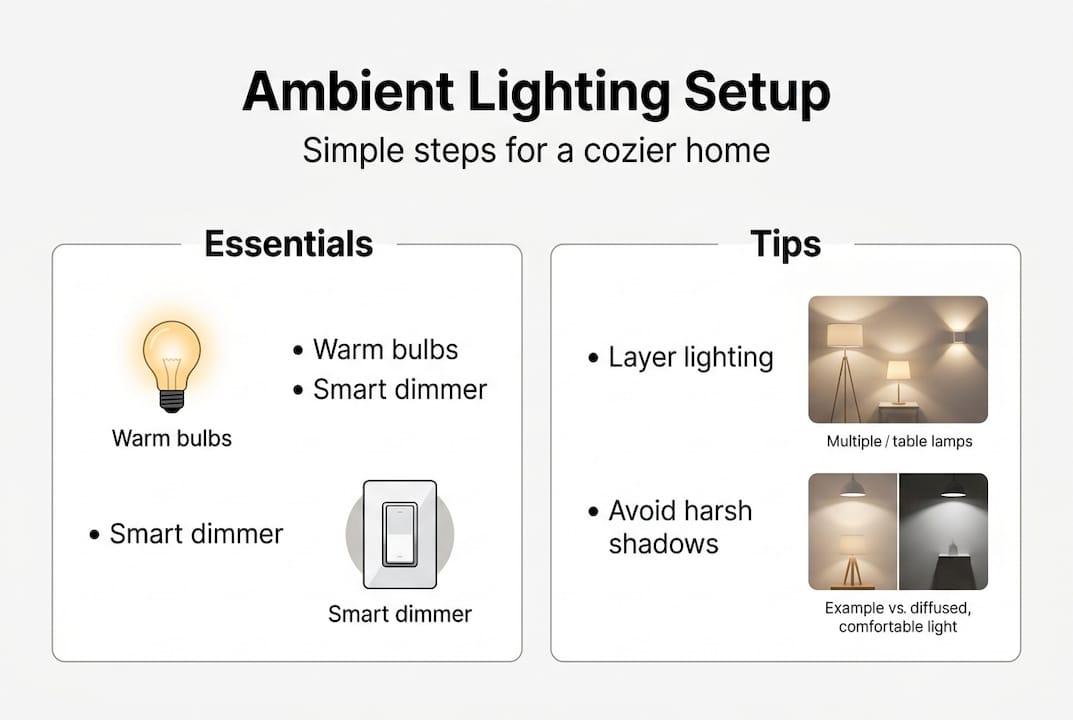
For a deeper look at how these fixtures apply room by room, the room by room lighting guide covers specific recommendations for every space in your home. Safety note: always check local electrical codes before purchasing fixtures, especially for wet locations like bathrooms.
Plan your ambient lighting layout for maximum effect
With your essentials ready, it’s time to map out your ambient lighting for optimal comfort and aesthetics. A good layout starts with three measurements: room length, room width, and ceiling height. These numbers drive every decision that follows.
Here’s a simple step-by-step approach to planning your layout:
- Measure your room in feet. Note ceiling height separately.
- Calculate chandelier size using the formula: add room length and width in feet, then convert that number to inches for the chandelier diameter. A 12x14 room = 26-inch chandelier. This layout planning approach keeps proportions balanced.
- Space recessed lights 4 to 6 feet apart for even coverage, and keep them half that distance from walls.
- Factor in windows. Natural light from large windows means you need less artificial fill during the day. Position fixtures to complement, not fight, the natural light direction.
- Plan for smart controls. Even if you’re not going full smart home, adding a dimmer at the planning stage is far cheaper than retrofitting later.
Here’s how layout priorities shift by room type:
| Room | Primary fixture | Spacing priority | Smart control value |
|---|---|---|---|
| Living room | Cove or torchiere | Layered, not centered | High (scene setting) |
| Bedroom | Flush mount + sconces | Soft, symmetrical | High (sleep modes) |
| Kitchen | Recessed track | Even grid, no shadows | Medium |
| Hallway | Flush mount or sconce | Consistent intervals | Low |
For more tailored room lighting strategies, matching fixture types to ceiling heights and architectural features makes a big difference.
Pro Tip: Never rely on ambient lighting alone. Layering ambient with accent lighting (aimed at artwork or shelves) and task lighting (over work surfaces) prevents that flat, shadowless look that makes rooms feel like hotel lobbies. The lighting layout guide recommends at least three light sources per room for true depth.
Step-by-step: Installing and setting up ambient lighting
With a plan in hand, here’s how you bring your ambient lighting to life — safely and confidently.
Safety first: Always turn off the circuit breaker before touching any wiring. Use a voltage tester to confirm power is off before handling wires. If you’re unsure about any electrical step, hire a licensed electrician.
- Prep the space. Clear the area, lay down drop cloths, and gather all tools and fixtures before starting.
- Turn off power at the breaker. Confirm with a voltage tester at the switch and fixture location.
- Mark fixture positions on the ceiling using your layout plan and a pencil. Use a stud finder to locate joists.
- Cut openings for recessed lights or flush mounts using a drywall saw. For pendant or chandelier fixtures, locate the existing junction box or install a new one rated for the fixture weight.
- Run wiring from the power source to each fixture location. Key fixtures like recessed lights, chandeliers, cove lighting, flush mounts, track lights, wall sconces, and torchieres each have slightly different wiring configurations — always follow the manufacturer’s instructions.
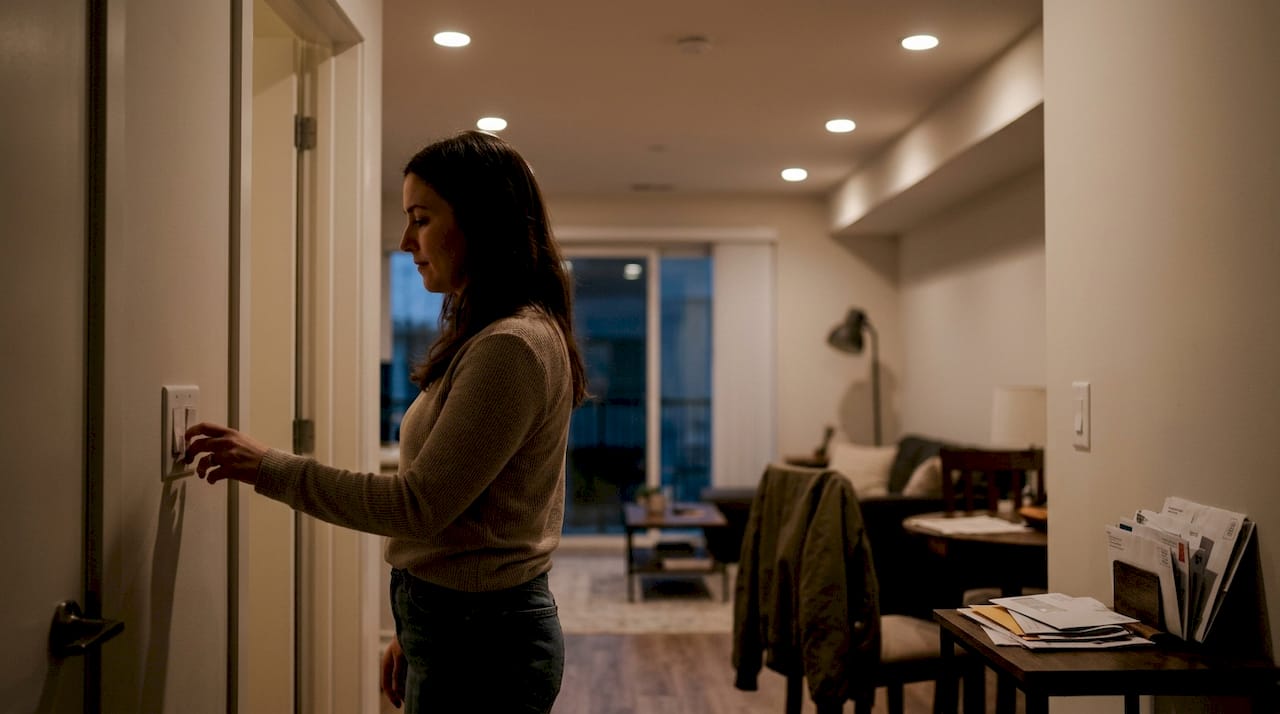
- Install dimmer switches. Match the dimmer to your bulb type (LED dimmers differ from incandescent ones). Smart switches can replace standard dimmers for added control.
- Mount fixtures and install bulbs. Tighten all connections, secure the canopy or trim, and insert your 2700K to 3000K LED bulbs.
- Restore power and test. Walk the room and check for even illumination. Look for hot spots, dark corners, or unwanted shadows.
For more lighting insights on bulb selection and fixture compatibility, it’s worth reviewing before purchasing.
Pro Tip: Before committing to fixed recessed positions, place floor lamps or clip-on work lights at your planned locations and live with them for a day. You’ll quickly spot gaps or overlaps that aren’t obvious on paper. This saves you from patching unnecessary ceiling holes.
Finishing touches matter too. Once everything is installed, dim the lights to about 50% and walk the room slowly. Shadows that feel harsh at full brightness often disappear at mid-range, confirming your layout is working as intended. Check detailed lighting installation tips if any fixture feels off after initial testing.
Troubleshooting and avoiding common mistakes
Even well-laid plans sometimes hit snags. Here’s how to avoid the most common ambient lighting pitfalls.
The most frequent errors homeowners make with ambient lighting:
- Relying on a single central overhead light. One fixture creates one shadow source. The result is a flat, unflattering room that feels institutional.
- Choosing bulbs that are too cool. Anything above 3000K pushes into blue-white territory. Common mistakes include using office-style cool bulbs in living areas, which kills the warmth and comfort you’re aiming for.
- Skipping dimmers. Fixed-brightness lighting means you’re stuck at one mood. Dimmers cost very little and change everything.
- Ignoring shadows. Shadows behind furniture, in corners, or under cabinets signal gaps in your layout. Fill them with a sconce or floor lamp rather than a brighter main fixture.
- Wrong fixture proportions. A small pendant in a large dining room looks lost. A massive chandelier in a narrow hallway feels oppressive. Use the sizing formulas from the planning section.
The 2700K to 3000K rule is worth repeating. This color temperature range consistently produces the most comfortable and flattering light for residential spaces. It mimics the warmth of incandescent bulbs while delivering LED efficiency. Going cooler than 3000K in bedrooms or living rooms is one of the most common and easily avoidable mistakes.
For quick fixes: if a room feels too bright, layer down with a dimmer rather than swapping bulbs. If shadows persist, add a secondary light source rather than repositioning your main fixture. Explore ambient lighting techniques for creative solutions to tricky room shapes. And always check your lighting by room needs before finalizing any fixture choices.
Why ambient lighting is about more than just looks
Here’s something most lighting guides won’t tell you: the homes that feel truly exceptional aren’t lit better. They’re lit smarter. Ambient lighting done right isn’t a background detail. It’s the story your home tells the moment someone walks through the door.
The real payoff comes from combining dimmable LEDs with smart controls. Smart lighting benefits include measurable energy savings and the ability to shift a room’s entire mood without moving a single piece of furniture. That versatility is genuinely undervalued.
We’d also push back on the obsession with recessed lighting. It’s clean and popular, but a ceiling full of recessed cans without wall sconces or floor lamps produces a flat, directionless light that feels sterile. Depth comes from mixing sources at different heights, not from adding more of the same fixture.
Practically speaking, even small upgrades — a single dimmer switch, one well-placed torchiere — shift how a room feels and how buyers perceive it. Ambient lighting isn’t decoration. It’s infrastructure for how you experience your home every single day.
Bring your ambient lighting vision to life
Knowing what to do is one thing. Finding the right fixtures to match your specific rooms, style, and budget is where most people get stuck.

At Find a Lamp, our AI-powered platform takes the guesswork out of that search. Upload a photo of your room and get personalized fixture recommendations tailored to your space. Browse the playful living room lighting collection for bold statement pieces, or explore the modern lamps collection for clean, versatile options that work across multiple rooms. You can even visualize how a fixture looks in your actual space before you buy. Your perfect ambient setup is closer than you think.
Frequently asked questions
What is the ideal color temperature for ambient lighting at home?
Aim for 2700K to 3000K, which gives a warm and comfortable glow suitable for most living areas. This range works well in bedrooms, living rooms, and dining spaces.
Can I mix different types of fixtures for ambient lighting?
Yes, blending sources like recessed lights, wall sconces, and floor lamps creates depth and prevents flatness in your space. Mixing direct and indirect sources is actually the recommended approach for most rooms.
What’s the best way to avoid harsh shadows when setting up ambient lighting?
Use multiple light sources spaced evenly and consider wall or ceiling bounce to soften and fill shadows. Fixture spacing and light direction both play a role in eliminating problem areas.
Are smart controls worth it for ambient lighting?
Smart dimmers and bulbs add convenience, energy savings, and let you adjust mood with ease. For most homeowners, even a basic smart dimmer delivers noticeable value.
How does ambient lighting affect home value?
Well-designed ambient lighting boosts both appeal and functionality, enhancing overall property value. Buyers consistently respond to homes that feel warm and well-lit from the moment they enter.
Recommended
- Lighting Insights Blog - Find a Lamp
- Layered Lighting Guide: Ambient, Task & Accent - Find a Lamp - Find a Lamp
- Home Office Lighting for Productivity & Comfort - Find a Lamp - Find a Lamp
- Expert Kitchen Lighting Guide: Tips & Ideas - Find a Lamp - Find a Lamp
- Overstappen op energiezuinige verlichting: Wat led je? - Holland Electric